


What is a dental bridge?
Basics of implants — strong, natural tooth restoration with a metal post.
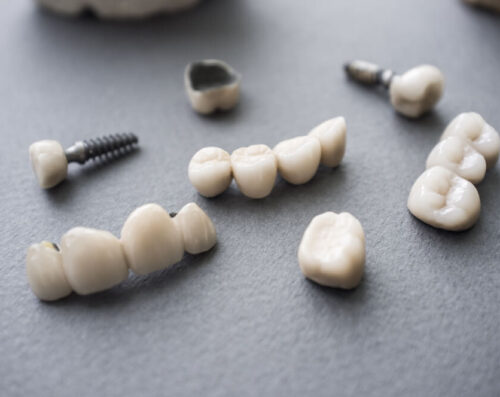
Choosing between a dental bridge and an implant is a critical decision that impacts your oral health, appearance, and long-term dental wellness. These key insights will help you understand the most important considerations for replacing a missing tooth.
- Bridges offer a faster, more affordable solution with minimal surgery, typically completed in 2-3 weeks. They’re ideal for patients seeking a quick and budget-friendly tooth replacement that doesn’t require extensive healing.
- Implants provide a superior long-term restoration by replacing the entire tooth structure, including the root. With a 25+ year lifespan, implants preserve bone health and maintain your natural facial structure more effectively than bridges.
- Tooth preservation is a critical differentiator. Dental bridges require altering adjacent healthy teeth by removing enamel, while implants stand independently without impacting neighboring teeth, protecting your overall oral health.
- Bone health matters significantly. Implants stimulate the jawbone, preventing bone loss and maintaining facial contours. Bridges do not address underlying bone deterioration, which can lead to long-term structural changes.
- Candidacy depends on your unique oral health. Ideal bridge candidates have strong adjacent teeth and seek a quick solution, while implant candidates need sufficient bone density, good overall health, and a commitment to a surgical procedure.
- Cost considerations extend beyond initial pricing. While bridges are less expensive upfront, implants often provide better long-term value by reducing future dental work and preventing additional tooth damage.
Understanding these key differences empowers you to make an informed decision about the best tooth replacement option for your specific needs and long-term oral health goals.
Introduction
Staring at a gap in your smile, you’re facing a decision that will affect your mouth for decades. Should you choose a dental bridge or a dental implant?
Over 120 million Americans are missing at least one tooth, and most don’t realize how dramatically these two solutions differ. This isn’t just about filling a space—it’s about how your choice impacts your jawbone, neighboring teeth, and long-term oral health.
A bridge uses your existing teeth as anchors, permanently reshaping them to support an artificial tooth. An implant creates an entirely new tooth root, standing independently without touching adjacent teeth.
The price tags look different upfront, but the 20-year costs tell a surprising story. Treatment timelines range from two weeks to six months. One option preserves your jawbone while the other allows it to slowly deteriorate.
Your specific situation determines which solution fits best. Factors like bone density, budget constraints, the condition of neighboring teeth, and your timeline all play critical roles in making the right choice.
This guide breaks down everything you need to know:
- How each restoration actually works in your mouth
- Real costs over time, not just initial prices
- What happens to your bone and adjacent teeth
- Who qualifies for each option
- Expected lifespan and maintenance requirements
Understanding these differences helps you move forward with confidence, knowing you’ve chosen the tooth replacement that aligns with your health, lifestyle, and goals.
Understanding Dental Bridges and Implants
When you lose a tooth, you face a choice between two proven solutions. A dental bridge and a dental implant take completely different approaches to replacing missing teeth, and understanding each is key to restoring your smile.
What Is a Dental Bridge?
A dental bridge is a fixed prosthetic that literally bridges the gap where teeth are missing. Your dentist cements it permanently in place, and you cannot remove it.
The structure typically includes:
- Pontics: The artificial teeth filling the gap.
- Abutment Teeth: The natural teeth on either side that serve as anchors.
- Crowns: Caps that fit over these anchor teeth for support.
This treatment is a common tooth replacement option that restores your ability to chew and speak clearly. It also prevents your remaining teeth from shifting.
What Is a Dental Implant?
Think of a dental implant as an artificial tooth root. It’s a small titanium post surgically placed into your jawbone.
Over 3-6 months, the implant fuses with your bone in a process called osseointegration. This creates a stable, long-lasting foundation for a new tooth.
The complete restoration has three parts:
- The implant post (the titanium “root”).
- An abutment (a connector piece).
- A crown (the visible tooth).
Unlike bridges, implants stand alone without affecting neighboring teeth.
How Each Solution Addresses Missing Teeth
Bridges work by distributing chewing pressure across multiple teeth. Your natural abutment teeth carry the load for the artificial tooth between them.
Implants function like natural teeth, transferring biting forces directly into the jawbone. For many patients, dental implants offer a more permanent solution that preserves bone health.
For a single missing tooth, both are effective. Bridges can efficiently replace several teeth in a row, while implants can replace any number of teeth independently.
Types of Dental Bridges Explained
Understanding the different types of dental bridges helps you choose the right tooth replacement option for your smile. Each design addresses unique dental challenges with distinct advantages.
Traditional Fixed Bridges
Traditional bridges are the most common tooth replacement option for good reason. They use two crowns on your natural teeth to anchor artificial teeth between them.
This creates a reliable, fixed restoration.
Key features include:
- Strong teeth on both sides of the gap serve as supports
- Requires removing a small amount of enamel from anchor teeth
- Effectively replaces one or several consecutive missing teeth
- Lasts 10-15 years on average with proper care
The main tradeoff is altering healthy teeth to fit the supporting crowns.
Cantilever Bridges
A cantilever bridge attaches to just one neighboring tooth instead of two. The artificial tooth extends like a diving board from a single anchor.
Dentists use this design in specific, low-stress situations:
- Replacing front teeth where chewing forces are minimal
- Areas where only one suitable anchor tooth exists
The single anchor creates more mechanical stress, making it unsuitable for back teeth.
Maryland Bonded Bridges
Maryland bridges offer a minimally invasive approach that preserves tooth structure. Thin wings bond to the back of adjacent teeth instead of using full crowns.
This resin-bonded bridge is ideal for:
- Replacing front teeth where appearance is critical
- Patients who want to avoid extensive tooth preparation
- Younger patients may have different dental needs and treatment considerations, so age-appropriate care is important. Families can explore dental care for younger patients for guidance on maintaining healthy teeth during childhood.
The bond isn’t as strong as crowns, so these bridges aren’t recommended for molars. For many patients, this affordable dental bridge provides a conservative and cost-effective solution.
Types of Dental Implants and Configurations
Most people don’t realize that dental implant types vary significantly. Understanding these differences is crucial for making an informed decision about your tooth replacement options.
The right configuration depends on your bone structure, number of missing teeth, and overall health.
Endosteal (In-the-Bone) Implants
Endosteal implants are the gold standard, placed directly into your jawbone. They integrate with the bone to form a stable, artificial root.
This foundation can support a crown, bridge, or denture for 25+ years. Common designs include screw-type, cylinder, and tapered posts.
Titanium is the preferred material due to its biocompatibility, leading to success rates exceeding 95%.
Subperiosteal Implants: A Specialized Alternative
Subperiosteal implants rest on top of the jawbone, under the gums. They were historically used for patients with significant bone loss.
Today, they are rare. Modern bone grafting techniques now allow most patients to qualify for traditional endosteal implants instead.
Single vs. Multiple Tooth Solutions
Single-tooth implants preserve neighboring teeth, unlike bridges which require altering them. For multiple gaps, strategic configurations offer efficiency.
Options for multiple missing teeth include:
- Individual implants for each tooth
- Implant-supported bridges
- All-on-4 or All-on-6 systems for full arches
An implant-supported bridge spanning several teeth can be 40-50% less costly than individual implants for each space, providing excellent value and function.
Comprehensive Comparison: Dental Bridges vs. Implants
Picture two completely different approaches to replacing a missing tooth. One builds a bridge using your existing teeth as anchors. The other creates a brand-new artificial root that stands alone.
The dental bridge vs implant decision comes down to how each option interacts with your mouth—and what that means for your long-term oral health.
Structural and Functional Differences
A dental bridge connects to your adjacent teeth, permanently reshaping them to serve as support columns. An implant functions as an independent structure, replacing both the crown and the root.
The force distribution matters more than most people realize. With a bridge, chewing pressure transfers to the supporting teeth. With an implant, forces go directly into your jawbone, which is crucial for long-term oral health.
How Each Option Affects Your Bone
Here’s where the implant vs bridge comparison gets significant:
Bridges:
- Leave the gap without root stimulation.
- Allow bone to gradually shrink over time.
- May complicate future procedures.
Implants:
- Transmit chewing forces into the jawbone.
- Maintain bone density and facial structure.
- Preserve your natural gum architecture.
Research shows that jawbone preservation with implants prevents the facial changes that often follow tooth loss. This makes an implant a permanent tooth replacement that supports your facial structure.
Adjacent Tooth Health Implications
The bridge or implant decision dramatically affects your neighboring teeth.
Traditional bridges require removing enamel from healthy anchor teeth. This permanent alteration weakens them and creates new areas where decay can develop.
Implants preserve adjacent tooth structure completely. Your neighboring teeth maintain their full strength and health, as the implant is a self-contained solution.
Key Factors for Choosing Between Bridges and Implants
Choosing between a dental bridge and implant requires evaluating your oral health, lifestyle, and long-term goals. Understanding these key factors helps you select the best option for your unique situation.
Oral Health and Anatomical Prerequisites
Your jawbone density is critical for determining if you’re a candidate for an implant. Insufficient bone volume often makes a traditional dental bridge the more practical choice unless you undergo bone grafting first.
The condition of your adjacent teeth also matters significantly:
- Healthy neighboring teeth favor implants, which preserve them.
- Already compromised teeth can make a bridge sensible, as they need crowns anyway.
- Active gum disease must be controlled before either restoration.
Number and Location of Missing Teeth
For a single missing tooth, implants are increasingly the gold standard, especially for patients under 60. The benefits of bone preservation and protecting adjacent teeth often justify the investment.
For multiple consecutive gaps, an implant-supported bridge can offer an optimal balance of stability and efficiency. Strategic positioning also influences the decision:
- Back molars benefit from an implant’s superior ability to handle chewing forces.
- In visible smile zones, implants typically offer better long-term gum line aesthetics. If you are also considering cosmetic improvements to the appearance of your teeth, learn more about composite veneers vs porcelain veneers to understand which option may better suit your smile goals.
Medical History and Systemic Conditions
Your body’s healing capacity directly impacts success. Conditions like uncontrolled diabetes can compromise osseointegration, making a bridge the more suitable tooth replacement option in some cases.
Medication considerations are also vital, as drugs like bisphosphonates can complicate implant surgery. A thorough review of your health history with your dentist is essential for a safe, lasting restoration.
Cost Analysis: Bridges vs. Implants in 2026
Understanding the financial commitment helps you make a confident decision about tooth replacement. Let’s break down what you’ll actually pay.
Upfront Price Comparison
Dental bridge cost typically runs $2,000-$5,000 for a traditional three-unit bridge. Dental implant cost ranges from $3,000-$6,000 per tooth.
The price difference seems straightforward, but several factors affect your final bill:
- Bridge costs vary by crown material and laboratory fees.
- Implant costs depend on the need for bone grafting and surgical complexity.
Long-Term Financial Outlook
Here’s the 20-year cost comparison that changes the math. A single implant lasting 25+ years often costs the same as replacing a bridge twice.
Bridges average a 12-year lifespan, meaning most patients pay for replacement at least once.
The Value of Preservation
Implants protect your investment in neighboring healthy teeth, which bridges must be anchored to. This prevents future expensive procedures like root canals on those supporting teeth.
Maintenance also favors implants long-term. They clean like natural teeth, while bridges require special tools and more frequent professional care.
Navigating Insurance & Payment
Most dental insurance pays 50% of bridge costs up to your annual maximum. Implant coverage is less predictable and varies widely by plan.
Both options qualify for FSA and HSA funds, which can help manage out-of-pocket expenses. When evaluating dental bridge vs implant cost, consider the total lifetime investment, not just the initial price.
Procedure Overview: Bridges vs. Implants
Understanding the steps for each tooth replacement option helps you prepare. The processes differ significantly in timeline and complexity.
Bridge Placement Process
Your dentist begins with an exam and X-rays. They then prepare the anchor teeth by removing a small amount of enamel.
A precise impression is taken to create your custom bridge at a dental lab. You’ll wear a temporary bridge for about two weeks.
At the final visit, the permanent bridge is cemented into place. Most patients complete this dental bridge procedure in just two appointments.
Implant Placement Process
The dental implant procedure starts with advanced 3D imaging for surgical planning. If needed, bone grafting is done first.
The titanium implant is surgically placed into your jawbone. A healing period of 3-6 months follows for osseointegration.
After healing, an abutment is attached to hold the new crown. Your final custom crown is then secured, completing the restoration.
Comparing Your Experience
- Bridges: Use local anesthesia with minimal recovery. Normal activity resumes immediately.
- Implants: Also use local anesthesia, but involve surgery. Expect a soft diet and careful cleaning during healing.
While a bridge replaces teeth quickly, an implant replaces the entire tooth structure from root to crown. Your dentist will recommend the best tooth replacement option based on your oral health and goals.
Longevity and Durability Comparison
When choosing between tooth replacement options, understanding how long each solution lasts directly impacts your long-term investment and oral health. The lifespan difference between bridges and implants is substantial.
How Long Each Option Typically Lasts
Traditional dental bridge longevity averages 10-15 years under normal conditions. Exceptionally well-maintained bridges can reach 20 years, but this requires ideal circumstances and meticulous care.
Dental implant longevity extends 25+ years to a lifetime once the titanium post successfully integrates with your jawbone. The implant itself typically becomes a permanent part of your mouth.
Here’s what replacement looks like for each:
- Bridges eventually require complete replacement of the entire unit
- Implant posts stay in place while the crown needs replacement every 10-15 years
- 10-year survival rates exceed 95% for implants versus 85-90% for bridges
What Determines How Long Yours Will Last
Your daily habits and health status play the biggest role in durability for both options. Oral hygiene remains the single most critical factor.
Teeth grinding (bruxism) dramatically shortens lifespan for both. A night guard protects your investment by reducing excessive force on the restoration during sleep.
Other key factors affecting durability include:
- Periodontal disease threatens both bridge anchor teeth and implant integration
- Material quality—zirconia and layered porcelain outlast economy metal options
- Professional cleanings every six months extend both restoration types significantly
- Smoking reduces implant success rates by 10-20% but has less impact on bridges
Warning Signs Something’s Wrong
Bridge complications typically involve cement failure requiring recementation, fractures in the pontic or anchor crowns, or decay developing under crown margins. Implant issues center on peri-implantitis—inflammation or infection around the implant post.
Watch for these red flags requiring immediate dental evaluation:
- Sensitivity, pain, or unusual mobility
- Bleeding gums around the restoration
- Visible gaps, changes, or shifting
Failed bridges usually need complete replacement, while a failed dental implant may sometimes be salvageable or replaced. For the best outcome, consult a prosthodontist at the first sign of any problem.
Advantages and Disadvantages: Side-by-Side Analysis
Choosing between a dental bridge and an implant means weighing distinct trade-offs. A clear side-by-side analysis of dental bridge pros and cons versus dental implant pros and cons helps you make a confident decision aligned with your priorities.
Dental Bridge Strengths
Bridges deliver fast, affordable solutions without surgery. Most patients complete treatment in just 2-3 weeks from start to finish.
The non-invasive nature appeals to patients avoiding surgical procedures. No incisions or lengthy bone healing periods are required.
Cost accessibility makes bridges attractive for budget-conscious patients. Initial investment is typically lower, and insurance often covers a larger portion.
Key advantages include:
- Rapid completion: 2-3 weeks total treatment time
- Lower upfront cost: Often 30-50% less than an implant
- No surgery needed: Local anesthesia only, minimal recovery
- Predictable outcomes: Decades of proven clinical success
Dental Bridge Limitations
The biggest drawback affects your healthy teeth. Dentists must remove enamel from neighboring teeth to place crowns, permanently altering their structure.
This preparation weakens anchor teeth, leading to higher long-term risks of decay. Bridges also fail to prevent bone loss where your tooth is missing.
Additional limitations include:
- Shorter lifespan: 10-15 years average
- Compromised adjacent teeth: Permanent enamel removal required
- Ongoing bone resorption: Jawbone shrinks without root stimulation
- Difficult cleaning: Higher cavity risk under the bridge
Dental Implant Strengths
Implants protect your remaining teeth completely. No grinding or alteration of neighboring tooth structure is required.
The titanium post acts like a natural root. This stimulates your jawbone, preventing the bone loss that occurs with bridges and preserving your facial contours.
Longevity stands out dramatically. Most implants last 25+ years with proper care, eliminating repeated replacements.
Primary benefits include:
- Zero impact on adjacent teeth: Preserves natural tooth structure
- Prevents bone loss: Maintains jawbone health and facial shape
- Superior longevity: Can last a lifetime with proper care
- Easier hygiene: Clean like a natural tooth
Understanding these core advantages and limitations provides the essential framework for discussing your best option with your dentist.
Candidacy Criteria: Who Should Choose Each Option
Choosing between a dental bridge and an implant depends on matching your unique oral health, lifestyle, and budget to the right solution.
Getting this match right is crucial for preventing future problems and ensuring you’re happy with your smile for years to come.
The Ideal Dental Bridge Candidate
You are typically a strong dental bridge candidate if you have healthy, robust teeth adjacent to the gap. These teeth must be free of major decay and have solid bone support to handle the extra force.
This option also suits those with immediate time or budget constraints. The entire process is often completed in just a few weeks and is generally more affordable upfront than an implant procedure.
Key candidates for a bridge include:
- Budget-conscious patients seeking a faster, cost-effective restoration.
- Individuals who need a quick solution for an upcoming event.
- Those who wish to avoid surgery and the longer healing it requires.
Who Is Best Suited for a Dental Implant
Successful implants start with a foundation of good jawbone density. Your dentist will use scans to check if you have enough bone or if a grafting procedure is needed first.
Overall health plays a starring role. Non-smokers with well-managed health conditions see the highest success rates, often exceeding 95% over decades.
The ideal implant patient is a long-term thinker. They value a permanent solution that can last a lifetime with proper care, preventing the need for future replacements.
Navigating Health Considerations
Certain health factors can directly impact your options. Some conditions, like uncontrolled diabetes or active cancer treatment, may temporarily or permanently rule out surgery for an implant.
For bridges, the primary requirement is having strong supporting teeth and healthy gums. While there are fewer strict medical restrictions, the integrity of your adjacent teeth is non-negotiable for a successful, lasting fit.
Ultimately, a detailed consultation with your dentist is the only way to determine your true candidacy for either treatment, balancing your health with your goals.
Impact on Oral Health and Adjacent Teeth
The way bridges and implants interact with your existing teeth creates dramatically different long-term outcomes for your mouth. Understanding these differences is crucial for long-term oral health.
How Bridges Affect Neighboring Teeth
A traditional dental bridge requires preparing the two healthy teeth on either side of the gap. This process permanently removes enamel to place crowns that will support the false tooth.
This preparation weakens otherwise healthy teeth and introduces several risks:
- The crowned teeth bear the chewing force for the missing tooth.
- Small gaps at the crown margins can trap plaque.
- These anchor teeth have a significantly higher risk of future decay or need for a root canal.
How Implants Preserve Adjacent Structures
A dental implant acts as an independent tooth root, so adjacent teeth are completely untouched. This is a key advantage of a single tooth implant.
Your natural teeth retain all their protective enamel and face no additional stress. The entire structure is preserved, making daily hygiene simpler and more effective.
The Critical Role of Bone Health
A major benefit of dental implants is preventing bone loss in the jaw. After a tooth is lost, the jawbone beneath it begins to deteriorate due to lack of stimulation.
A bridge sits on top of the gums and does not address this underlying issue. An implant’s titanium post integrates with the bone, providing the necessary stimulation to maintain your jaw’s density and shape for a lifetime.
Conclusion
Your smile deserves a replacement solution that truly works for your life, not just your schedule. The dental bridge vs implant decision isn’t about finding the “best” option—it’s about finding YOUR best option based on your oral health, budget, and long-term goals.
Both solutions restore your ability to eat, speak, and smile with confidence. The key is matching the right restoration to your unique situation.
Here’s what to remember as you move forward:
- Bridges offer speed and affordability but require altering healthy adjacent teeth and don’t prevent bone loss
- Implants preserve your natural tooth structure and maintain jawbone health, often lasting 25+ years or more
- Your jawbone density, overall health, and adjacent tooth condition directly determine which option will succeed for you
- Initial cost differences narrow over time—a single implant may cost the same as replacing a bridge twice
- The impact on neighboring teeth matters most—consider whether preserving them untouched is worth the investment
Your next step is simple: schedule a comprehensive consultation with your dentist. Bring your questions, your budget concerns, and your long-term smile goals to the conversation.
Ask to see 3D imaging of your jaw and discuss candidacy for both options. Get a detailed cost breakdown that includes potential future procedures, not just today’s price tag.
Your missing tooth doesn’t define your smile—but your decision about replacing it will shape your oral health for decades to come. Choose the solution that protects your investment in the teeth you still have while giving you the confidence to smile without hesitation.
The right restoration is waiting. Take that first step today.