


Composite Veneers VS Porcelain Veneers
Basics of implants — strong, natural tooth restoration with a metal post.
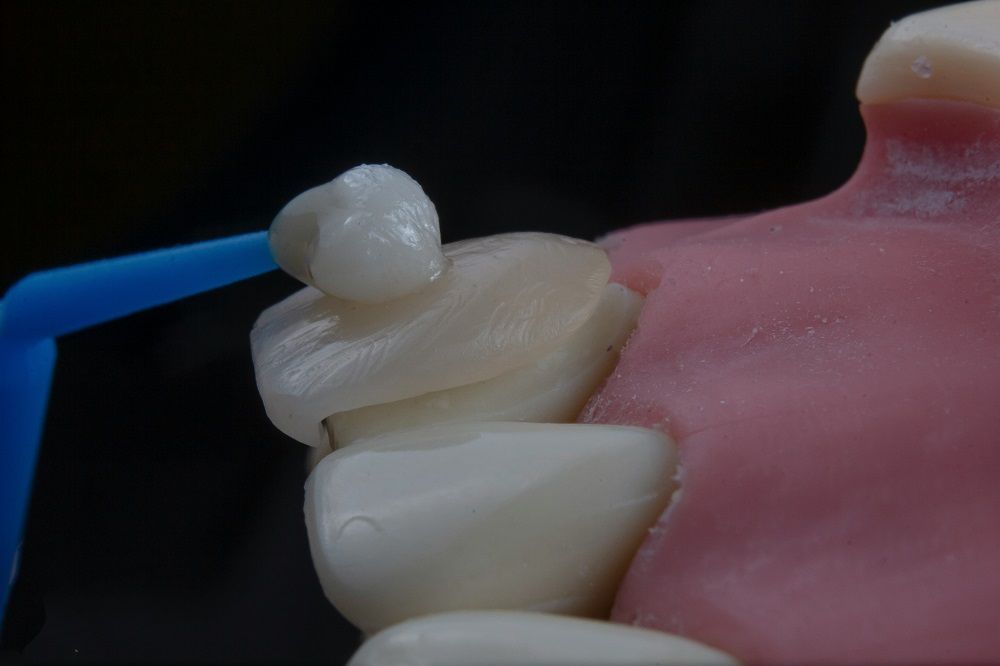
Choosing the right dental veneers is a transformative decision that impacts your smile’s aesthetics, durability, and long-term confidence. These key takeaways distill the critical insights to help you make an informed choice between composite and porcelain options.
- Porcelain Veneers Offer Superior Aesthetics with their remarkable light-reflecting properties that closely mimic natural tooth enamel. Their lab-crafted precision creates a translucent, depth-rich appearance that remains stain-free and vibrant for 10-15 years.
- Composite Veneers Provide Immediate Transformation with a same-day, cost-effective solution perfect for quick cosmetic fixes. Chairside application allows for instant smile improvements at a significantly lower initial investment of $250-$600 per tooth.
- Longevity Determines True Value – porcelain veneers last 10-15 years, while composite options typically require replacement every 5-7 years. The long-term investment means porcelain may actually cost less when amortized over a decade, despite higher upfront pricing.
- Maintenance Requirements Differ Dramatically between materials. Composite veneers need professional re-polishing every 6-12 months and are prone to staining, whereas porcelain maintains its pristine appearance with minimal professional intervention.
- Ideal Candidates Vary by Material – composite suits younger patients seeking temporary improvements or quick fixes, while porcelain serves professionals and those seeking a permanent, flawless smile transformation requiring a $7,200-$25,000 investment.
- Clinical Considerations Are Critical – both veneer types require healthy teeth and gums as a foundation. Contraindications like unmanaged bruxism or poor oral hygiene can compromise the success of any veneer procedure.
- Your Daily Habits Ultimately Determine Veneer Longevity – consistent oral hygiene, careful dietary choices, and professional maintenance are more important than the initial material selection in preserving your new smile.
For those seeking a comprehensive smile transformation, understanding these nuanced differences between composite and porcelain veneers is your first step toward a confident, radiant smile that stands the test of time.
Introduction
Your smile is one of the first things people notice, and if you’re considering veneers, you’re facing a decision that will impact both your appearance and wallet for the next decade or more.
The composite vs porcelain debate isn’t just about picking between two materials—it’s about choosing between a $2,500 same-day smile transformation and a $15,000 investment that lasts twice as long.
Here’s what makes this choice so critical: veneers require removing enamel, making them permanent. Once you commit, you’re locked into maintenance, eventual replacement, and the aesthetic standards of your chosen material.
The 2026 landscape has shifted dramatically. Composite technology has improved durability by 30%, while porcelain pricing has become more accessible through digital workflows and competitive lab markets.
Yet the fundamental trade-offs remain unchanged:
- Composite: Immediate results, lower cost, easier repairs—but more staining and a 5-7 year lifespan
- Porcelain: Superior aesthetics, decade-long durability, stain immunity—but higher investment and multi-visit process
- Both: Require permanent tooth alteration and specific maintenance protocols
The right choice depends entirely on your priorities. Are you solving a single chipped tooth or transforming your entire smile? Do you value instant gratification or long-term perfection? Can you invest $10,000+ upfront, or do you need to start under $3,000?
This guide breaks down every factor that influences your decision—from the molecular differences in materials to real-world maintenance costs over 15 years. You’ll understand exactly what each option delivers, what it demands, and which aligns with your specific situation.
Let’s start with the foundational science that explains why these two materials perform so differently in your mouth.
1. Understanding Dental Veneers: Core Concepts and Material Science
Dental veneers are custom, ultra-thin shells that mask imperfections by bonding directly to your teeth. They offer a cosmetic dentistry solution for discoloration, chips, gaps, and minor misalignments in a single procedure.
The choice between composite veneers and porcelain veneers is fundamental, as they differ dramatically in materials, application, and long-term performance.
The Foundation: A Permanent Change
Veneers require removing a thin layer of tooth enamel to ensure a perfect fit. This irreversible step makes your choice of material a critical, long-term commitment for your smile’s appearance and health.
Composite Veneers: The Direct Approach
Composite veneers involve sculpting tooth-colored resin directly onto your teeth during one appointment, which is then hardened with a curing light. This chairside application makes them a faster option.
Key material characteristics include:
- Lower translucency and a more porous surface prone to staining over time.
- Greater flexibility, which reduces the risk of catastrophic fracture.
- A lower initial cost, with material expenses around $25-50 per tooth.
Their polymer composition allows for easier repairs but demands more maintenance to keep them looking fresh.
Porcelain Veneers: Lab-Crafted Precision
Porcelain veneers are custom-crafted ceramic shells made in a dental laboratory from your dentist’s impressions. They are renowned for mimicking the light-reflecting properties of natural enamel with incredible accuracy.
What sets them apart:
- High translucency and a non-porous, glazed surface that resists stains exceptionally well.
- A surface texture that replicates natural tooth anatomy.
- Common types include feldspathic porcelain and lithium disilicate (like IPS e.max).
The laboratory fabrication process adds to the cost but is key to their superior aesthetics and durability.
Why Material Dictates Performance
The crystalline structure of porcelain provides long-lasting aesthetic results, maintaining its color and shine for 10-15 years or more. Composite resin, while more impact-resistant, will gradually dull and absorb stains, requiring more frequent upkeep or replacement.
2. The Application Process: Composite vs Porcelain Veneer Procedures
Composite Veneers: Same-Day Transformation
Picture walking into your dentist’s office and leaving with a complete smile makeover in one afternoon. That’s the composite veneer advantage.
The procedure begins with a quick consultation to plan your desired look. Minimal tooth preparation involves only roughening the enamel surface for a strong bond.
The Direct Sculpting Process
Your dentist then applies and sculpts the resin directly onto your tooth. Each layer is hardened with a curing light, allowing for precise contouring and shaping.
This chairside application is a key benefit of composite veneers, enabling immediate results. Final polishing completes your transformation in 1.5-3 hours.
Porcelain Veneers: The Multi-Visit Journey
Porcelain veneers require a laboratory-crafted approach for premium results. Your first visit involves comprehensive design and precise enamel reduction.
The dentist takes a precise impression or digital scan of your prepared teeth. This mold is sent to a dental lab for custom fabrication.
The Waiting Period and Final Bonding
Temporary veneers protect your teeth for 7-14 days during lab work. Skilled technicians craft your permanent restorations with natural translucency.
At your second visit, each veneer is tried in and permanently bonded. This creates a durable and aesthetic restoration designed to last for years.
The main difference lies in timeline and fabrication: composite offers instant, sculpted results, while porcelain provides a custom, lab-made finish through a two-appointment process.
3. Cost Analysis: Investment Comparison and Financial Planning
Understanding the Price Gap
The composite vs porcelain veneers cost difference is significant, with composite typically priced at half the amount. This gap is crucial when planning a multi-tooth transformation.
For 2026, expect a veneer cost of $250–$600 per tooth for composite resin. This single-appointment, chairside procedure includes all work.
Porcelain veneers require $900–$2,500 per tooth. This higher price factors in lab fabrication and temporary veneers, making it 2–4 times the initial investment.
What Drives Your Final Bill
Location dramatically impacts pricing. Urban cosmetic specialists often charge 40–60% more than general dentists in suburban or rural areas.
Other key financial factors include:
- Dentist expertise and cosmetic portfolio
- Material quality (e.g., IPS e.max vs. standard porcelain)
- Volume discounts for full smile makeovers
The Real Long-Term Investment
Consider lifespan to understand true value. Porcelain’s 10–15 year durability amortizes to $60–$250 per year, per veneer.
Composite lasts 5–7 years, costing $36–$120 annually. However, you’ll likely replace them twice within one porcelain veneer’s lifespan, affecting long-term value.
Paying for Your New Smile
Most dental insurance excludes cosmetic veneers, with only 8–12% of plans offering limited coverage for documented structural needs.
Practical financing options help manage the investment:
- In-house dental office payment plans
- Medical credit cards like CareCredit
- Pre-tax HSA/FSA funds
Third-party financing can spread costs over 24–60 months, making higher porcelain prices manageable through monthly payments.
Composite offers immediate affordability, while porcelain often provides greater value over a decade, making your choice a balance of budget and long-term goals.
4. Durability and Longevity: Lifespan Expectations and Influencing Factors
Statistical Benchands for Each Material
Porcelain veneers typically last 10–15 years with proper care, setting the gold standard for long-term veneer durability. Premium cases with excellent maintenance can even surpass 20 years.
In contrast, composite veneers deliver 5–7 years of reliable service before performance noticeably declines.
The Real-World Longevity Gap
This creates a significant composite vs porcelain lifespan difference, with porcelain outlasting composite by approximately two times in clinical studies. Research shows replacement rates are higher for composite within the first five years.
How Each Material Ages
Porcelain maintains its appearance remarkably well.
Its ceramic structure is chemically stable, preserving surface gloss and color. Failures usually stem from bonding issues, not the veneer material itself.
Composite shows gradual aesthetic decline.
- Surface becomes micro-rough from brushing.
- It absorbs stains, leading to yellowing.
- Margins can discolor where the veneer meets the natural tooth.
Key Factors That Determine Lifespan
Your daily habits are decisive.
- Excellent oral hygiene protects the critical bonding interface.
- Diet matters: hard foods risk chips; dark beverages stain composite.
- Untreated teeth grinding can reduce lifespan by 40-60% for both types.
A night guard is essential protection for anyone with bruxism. Ultimately, your maintenance routine directly influences whether you reach—or exceed—the expected lifespan for your chosen material.
5. Aesthetic Performance: Appearance Quality and Natural Integration
The Translucency Factor: Why Light Matters
Porcelain veneers win the optical game by perfectly mimicking how natural tooth enamel interacts with light. This process creates the ultimate natural look patients desire.
Light penetrates the ceramic layers and bounces internally, exiting with the same vibrant depth as healthy teeth. Composite resin, however, reflects light mostly from its surface.
The result is a flatter, more opaque appearance that can seem artificial under bright lights.
Avoiding the “Chiclet” Effect
Picture a row of uniformly white, blocky teeth that scream “dental work.” That’s the chiclet effect—a common pitfall in veneer aesthetics.
Porcelain’s multi-layered structure naturally builds in subtle color variations and imperfections. Skilled lab technicians can even add tiny surface textures and translucent edges.
These details catch light authentically, ensuring teeth look real, not manufactured.
Long-Term Stain Resistance
Consider the five-year test with daily coffee. Composite veneers will gradually yellow as pigments penetrate their porous resin matrix.
Porcelain’s non-porous, glazed ceramic surface repels stains from coffee, wine, and berries completely. Any surface discoloration is easily polished away during a regular cleaning.
Research confirms porcelain maintains its shade for 10-15+ years, while composite often shifts color within three.
Sustaining the Shine
A new composite veneer shines brilliantly, but its polish degrades with daily brushing and wear. This micro-roughening dulls the appearance and increases stain retention.
Professional re-polishing every 6-12 months becomes necessary to manage this. Porcelain’s glaze is harder than toothpaste abrasives, so its mirror finish lasts indefinitely.
For enduring color stability and a lifelike appearance, porcelain offers superior aesthetic performance that stands the test of time.
6. Clinical Considerations: Ideal Candidate Profiles and Case Selection
Who Benefits Most from Composite Veneers
Picture this: You chip a front tooth and have a presentation tomorrow. Composite veneers solve this exact scenario for minor, urgent fixes like small chips or slight gaps.
Younger patients benefit from their reversibility, while budget-conscious veneer candidates appreciate the $250–$600 per tooth cost for noticeable improvement.
Best Candidates for Composite Solutions
- Same-day treatment preference
- Established good oral hygiene
- Acceptance of a 5–7 year lifespan
- Desire to “test drive” a smile change
The key is having realistic expectations about your smile’s evolution.
When Porcelain Makes Clinical Sense
For transforming 6–10 teeth, porcelain ensures uniform color and shape. It’s also essential for masking severe, deep stains like tetracycline discoloration that composite can’t cover.
Porcelain’s Ideal Patient Profile
- Careers requiring a flawless appearance
- Capacity for a $7,200–$25,000 investment
- Patience for a 2–3 week lab process
- Commitment to a 10–15+ year solution
Universal Dental Health Requirements
Both types require foundational oral health first. Active decay or gum disease must be treated, as veneers rely on strong, healthy teeth and gums.
This is a critical first step when choosing veneers, as insufficient enamel or existing large fillings can compromise the bond.
Critical Contraindications
- Bruxism (teeth grinding): Creates excessive force.
- Unmanaged gum disease or tooth decay.
- Poor oral hygiene habits.
- Insufficient enamel for a reliable bond.
Understanding these profiles ensures the chosen material aligns with your clinical needs, lifestyle, and long-term goals for a successful outcome.
7. Maintenance and Care: Preserving Longevity and Appearance
Your veneers are a major investment in your smile. Consistent, proper care is the single biggest factor in their lifespan, determining whether they last 5 years or 15+.
Effective veneer care blends daily habits with professional support to protect your investment.
Daily Hygiene for Lasting Results
Brush twice daily with a soft-bristled toothbrush and non-abrasive toothpaste. Gentle, circular motions clean without damaging the edges.
Flossing is non-negotiable for long-term veneer maintenance. It prevents decay at the critical margin where the veneer meets your natural tooth.
- Use waxed floss for easier gliding.
- Employ a gentle technique to avoid dislodging.
- Remember, water flossers supplement but don’t replace string floss.
Rinse with an alcohol-free mouthwash, as alcohol can weaken composite bonding over time.
The Role of Professional Checkups
Schedule professional cleanings every 6 months for composite veneers, and every 6-12 months for porcelain. Always inform your hygienist about your veneers.
They will use specialized, gentle polishing pastes and inspect the margins for early signs of debonding or decay. This proactive monitoring catches minor issues before they become major problems.
Preserving Your Veneer’s Shine
Composite veneers naturally lose their gloss as the resin surface becomes microscopically rough. A professional re-polish every 6-12 months restores their luster and removes surface stains for about $50-$150.
Porcelain’s glazed ceramic surface typically maintains its shine indefinitely, requiring far less upkeep.
Smart Dietary Choices
What you consume directly impacts your veneers’ appearance, especially composite materials.
Limit frequent consumption of known staining agents like coffee, red wine, and dark berries. Using a straw for dark beverages can help minimize contact.
Also, avoid using your teeth as tools to open packages, and consider a night guard if you grind your teeth. Consistent, mindful veneer maintenance protects both their beauty and function for the long term.
8. Comparative Advantages and Disadvantages: Balanced Assessment
Choosing between materials means weighing a clear composite vs porcelain pros and cons list. Each offers distinct veneer advantages tailored to different priorities and budgets.
Composite Veneers: What Works in Your Favor
The most compelling advantage is immediacy. You can walk in with stained teeth and leave with a transformed smile in a single visit.
Cost is another major benefit, with prices around $250-$600 per tooth.
Key Composite Strengths
- Same-day completion in one appointment.
- Minimal tooth alteration, often reversible.
- Easy, affordable repairs for chips.
- Flexibility to treat teeth individually.
This makes composite the practical choice for budget-conscious patients seeking quick, less invasive changes.
Where Composite Falls Short
Trade-offs appear after a few years. The material is prone to staining and loses its luster.
- Shorter 5-7 year lifespan on average.
- Aesthetic limitations with less natural translucency.
- Progressive staining from foods and drinks.
- Results heavily depend on the dentist’s skill.
Porcelain Veneers: The Premium Option
Porcelain delivers optical perfection that lasts decades. Its ceramic structure mimics natural enamel, maintaining brilliance for 10-15+ years without staining.
Porcelain’s Undeniable Strengths
- Superior, natural aesthetics with depth and translucency.
- Complete stain immunity due to a non-porous glaze.
- Long-term value with double the lifespan of composite.
- Precision lab craftsmanship for a custom look.
For a flawless, uniform smile makeover, porcelain remains the gold standard. The higher initial investment pays off in durability and timeless aesthetics with virtually no maintenance.
9. Replacement, Repair, and Re-Treatment Considerations
Understanding your options for long-term dental aesthetics is crucial when veneers eventually wear out or get damaged. This knowledge helps with financial planning and making informed decisions about your smile’s future.
Composite Veneer Repair: Cost-Effective Flexibility
Composite veneers offer the easiest, most affordable repair path. Minor chips and surface wear can often be fixed in a single visit without removing the entire restoration.
Common, budget-friendly repairs include:
- Surface re-polishing to restore shine
- Bonding new material to fix small chips
- Professional stain removal through buffing
This repair-friendly nature provides significant cosmetic dentistry value, making composites a flexible choice for many patients.
Porcelain Veneer Replacement: All-or-Nothing Approach
Porcelain veneers typically cannot be spot-repaired. Chips or cracks usually demand a complete replacement, initiating a new process from impression to lab fabrication.
The replacement reality involves:
- Full removal of the damaged veneer
- A new custom veneer made in a dental lab
- A cost similar to the original placement
This is a key consideration for your dental veneer investment, as replacement is inevitable over time.
Removal Process and Tooth Impact
Removing either type of veneer permanently alters your tooth structure. The process for porcelain is generally more aggressive than for composite.
After removal, teeth will always require some form of new coverage, as you cannot return to a completely natural state. This underscores the importance of choosing a material that aligns with your lasting smile solution goals.
When Replacement Becomes Necessary
Veneer replacement occurs at predictable intervals based on the material. Composites often last 5-7 years before showing wear, while porcelain can last 10-15 years or more before the bonding weakens or aesthetics change. Planning for this eventual need is part of responsible, long-term care.
Conclusion
Your smile transformation starts with one crucial decision: choosing the veneer material that aligns with your budget, timeline, and long-term vision. This isn’t just about picking between two options—it’s about investing in confidence that lasts.
Composite veneers deliver immediate, affordable results in a single afternoon, perfect when you need quick improvements or want to test a new smile before committing long-term. Porcelain veneers provide museum-quality aesthetics that resist staining and maintain their brilliance for over a decade, making them the gold standard for comprehensive smile makeovers.
Your essential takeaways for making this decision:
- Budget strategically: Composite costs $250-$600 per tooth with 5-7 year replacement cycles, while porcelain’s $900-$2,500 investment delivers 10-15+ years of maintenance-free beauty
- Match material to goals: Choose composite for single-tooth fixes or trial transformations; select porcelain for full smile makeovers requiring uniform, lasting results
- Prioritize oral health first: Both options require healthy teeth and gums as the foundation—address decay or gum disease before scheduling your veneer consultation
- Plan for protection: If you grind your teeth, budget for a custom night guard to prevent premature failure regardless of which material you choose
- Schedule consultations with experienced cosmetic dentists: Review before-and-after portfolios specifically showcasing your preferred material to ensure artistic skill matches technical capability
Your next step is simple: book consultations with 2-3 cosmetic dentists in your area. Come prepared with photos of smiles you admire and specific questions about their experience with your chosen material.
The perfect smile isn’t a one-size-fits-all solution—it’s the one that fits your life, your budget, and your vision for the next decade. Your transformed smile is one consultation away from becoming reality.