


Holistic Implants Are the Future
Basics of implants — strong, natural tooth restoration with a metal post.
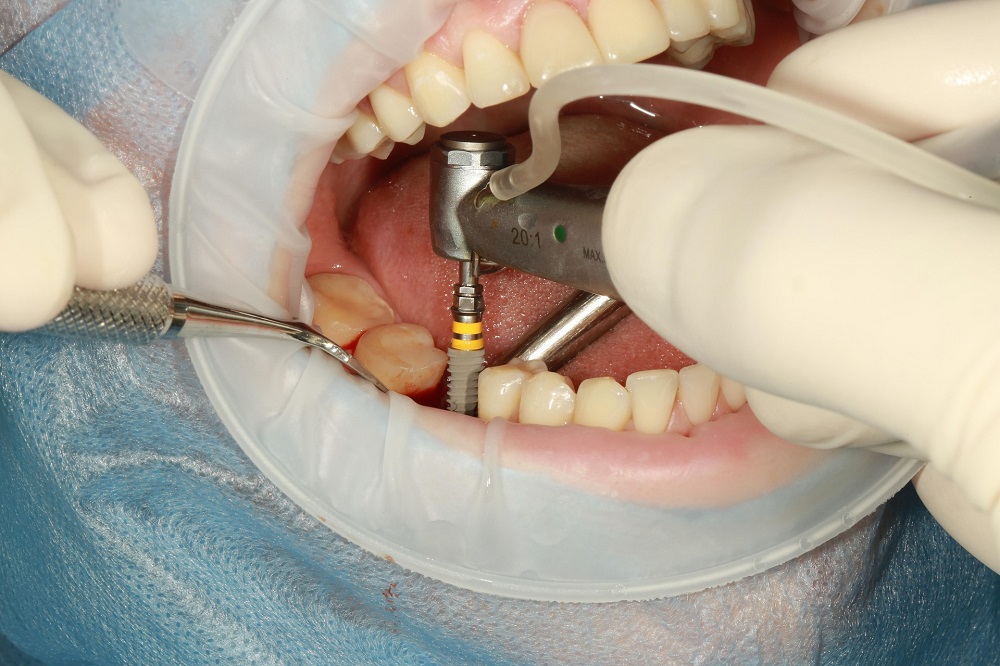
Holistic dental implants represent a revolutionary approach to oral health that goes far beyond traditional tooth replacement, viewing your dental procedure as an integral part of your overall wellness journey.
- Biocompatibility is the cornerstone of holistic implant dentistry, with practitioners carefully selecting materials that harmonize with your unique biological profile. Individual immune response determines the most appropriate implant material, whether titanium or zirconia.
- Material selection extends beyond structural considerations, focusing on how implants interact with your entire immune system. Zirconia and advanced titanium options provide metal-free or biocompatible alternatives that minimize inflammatory responses and support long-term systemic health.
- Comprehensive patient assessment is critical, diving deep into your health history, nutritional status, and lifestyle factors. This holistic approach means your entire body’s wellness, not just your jaw, guides the treatment planning process.
- Healing support goes beyond traditional recovery, incorporating targeted nutrition, natural anti-inflammatory protocols, and lifestyle modifications. Key nutrients like vitamin D3, K2, and omega-3s play a crucial role in optimizing implant integration and overall healing.
- Cost considerations involve more than initial pricing, with holistic implants representing a long-term investment in your health. Factors like biocompatibility testing, advanced imaging, and personalized preparation contribute to a comprehensive treatment approach.
- Advanced surface technologies are revolutionizing implant success, with techniques like SLA (sandblasted, large-grit, acid-etched) treatment dramatically improving bone integration. 3D imaging and guided surgery ensure precision and minimize invasiveness.
The future of dental implants is personalized, biological, and deeply connected to your overall health – a powerful approach that transforms dental restoration from a simple mechanical procedure to a holistic wellness intervention.
Patients exploring metal-free or biocompatible alternatives may also want to read about why holistic implants are the future of tooth replacement.
Introduction
Over 70% of Americans fear metal materials in their bodies long-term, yet traditional dental implants rely almost exclusively on titanium alloys. This disconnect is driving a revolution in how progressive dentists approach tooth replacement.
What if your missing tooth replacement could support your immune system rather than challenge it?
Holistic dental implants represent a fundamental shift from the conventional “fix the tooth” mentality to a “heal the whole person” philosophy. These biocompatible solutions prioritize your body’s natural healing capacity while eliminating materials that may trigger inflammatory responses.
The difference isn’t just philosophical—it’s measurable. Patients report fewer autoimmune flare-ups, reduced systemic inflammation markers, and greater confidence in their long-term wellness when choosing biologically-aligned materials.
This comprehensive guide reveals everything you need to make an informed decision about holistic tooth replacement:
- The science behind biocompatible materials like zirconia and specially-selected titanium
- How whole-body assessment changes your treatment outcomes
- Natural protocols that accelerate healing and bone integration
- Cost considerations and insurance navigation strategies
- The latest research showing 92-97% success rates with metal-free options
Whether you’re dealing with documented metal sensitivities, managing autoimmune conditions, or simply seeking treatment that aligns with your wellness values, understanding holistic dental implants empowers you to choose confidently.
The journey from missing tooth to restored smile doesn’t have to compromise your systemic health. Modern holistic dentistry offers proven solutions that work with your biology, not against it.
Let’s explore how these advanced techniques can transform not just your smile, but your relationship with dental care itself.
Understanding Holistic Dental Implants: Core Principles and Philosophy
Picture a dental consultation that begins with questions about your sleep, stress, and diet. This is the whole-body approach in action, viewing your oral health as inseparable from your systemic wellness.
Philosophy of Biological Dentistry
Holistic dental implants are grounded in biological dentistry. This philosophy prioritizes your long-term vitality over mere structural repair, carefully considering how every material impacts your immune system.
The core commitment is to individualized material selection. This means choosing biocompatible materials based on your unique biology, not a one-size-fits-all protocol.
Prioritizing Your Biological Harmony
True biocompatibility means your body accepts the implant without a chronic defensive reaction. To achieve this, practitioners focus on:
- Your individual immune response to different metals and ceramics.
- How material choices affect inflammatory cascade risks.
- Pre-surgical testing to identify sensitivities, ensuring long-term stability.
This foundation is critical because oral inflammation is a known risk factor for broader health issues.
Integrating Care for Optimal Healing
The process extends far beyond the surgical site. Assessment includes your full health history, nutritional status, and stress levels to support optimal osseointegration.
Success is measured holistically. The goal is a healthy, functional implant that contributes to your overall well-being, not just survives in your jaw.
Primary Material Systems in Holistic Implant Dentistry
Picture this: you’re choosing materials that will live in your body for decades. The decision between titanium and ceramic isn’t just about strength—it’s about how your unique biology will respond.
Holistic implant dentistry centers on two proven approaches, each supporting different patient needs and wellness philosophies.
The Titanium Standard: Time-Tested Strength
Advanced practices specify Ti Grade 5 (Ti-6Al-4V ELI) alloy for surgical implants. This material offers exceptional mechanical strength with reliable biocompatibility for long-term success.
Decades of clinical evidence support impressive outcomes. We’re talking 95%+ survival at 10 years when properly placed by a skilled professional.
Surface Enhancement Makes the Difference
Modern titanium implants aren’t smooth anymore. Surface enhancement techniques like sandblasting and acid etching dramatically improve bone integration.
These treatments create microscopic landscapes that accelerate initial healing. This is a key reason for the high success rate of dental implants made from titanium.
Who Thrives with Titanium?
Titanium systems excel for patients needing maximum load-bearing capacity in posterior teeth. They offer predictable outcomes backed by extensive research.
One critical consideration: patients with documented metal sensitivities may experience immune responses. For them, ceramic dental implants become a compelling alternative.
The Ceramic Revolution: Zirconia
Yttria-stabilized zirconia represents a breakthrough for patients seeking metal-free implants. This white, tooth-colored ceramic eliminates bioelectrical concerns entirely.
Its composition provides structural integrity rivaling titanium. It supports the body’s natural healing response beautifully.
Metal-Free Advantages That Matter
For patients with autoimmune conditions or metal allergies, zirconia eliminates a significant potential trigger. This makes it a premier choice in holistic dental care.
The material’s exceptional hardness and biocompatibility make it a reliable, health-focused option. Choosing the right material is a foundational step in your personalized treatment journey.
Biological and Systemic Health Advantages
Supporting Your Body’s Natural Defense Systems
The benefits of holistic dental implants extend far beyond your mouth, creating positive ripple effects throughout your entire body. Traditional dental materials can trigger chronic low-grade inflammation that stresses your immune system for years.
Biocompatible materials minimize these foreign body reactions, allowing your body to focus energy on healing. Research shows that reducing inflammatory responses in the oral cavity can decrease systemic inflammation markers linked to cardiovascular disease and autoimmune flare-ups.
A Metal-Free, Toxin-Free Foundation
Your mouth absorbs substances more readily than almost any other body part. Choosing ceramic dental implants in Miami provides a completely metal-free and toxin-free foundation for your smile.
These systems contain zero nickel, chromium, or corrosion byproducts that can migrate into tissues. This is crucial for patients with multiple chemical sensitivities or documented metal allergies, supporting long-term systemic health.
Confidence That Radiates from Within
The psychological impact of a healthy, beautiful smile deserves serious consideration. Natural tooth-colored zirconia creates results indistinguishable from your original smile, eliminating the gray shadowing common with metal implants.
This aesthetic and biocompatible advantage translates directly to greater confidence. For patients seeking the best holistic dentist in South Florida, this approach reduces treatment-related stress and fosters a positive healing mindset.
When your body accepts the restoration as harmonious, both physical healing and emotional wellness improve naturally. This integrated care is what defines a truly biological dental practice.
Advanced Surface Technologies and Osseointegration Enhancement
Picture this: your body’s bone cells encountering an implant surface and deciding whether to attach, grow, and integrate—or reject the foreign material entirely. Surface texture determines whether your implant becomes part of your jaw or fails within months.
How Titanium Surfaces Are Enhanced
Modern titanium implants undergo sophisticated surface modifications that dramatically accelerate bone bonding. Sandblasting creates macro-level roughness that allows bone to mechanically grip the implant like Velcro.
Acid etching follows, generating microscopic pits where individual bone cells anchor and multiply. This dual approach—called SLA (Sandblasted, Large-grit, Acid-etched) technology—reduces typical healing times significantly.
Zirconia’s Surface Challenge and Solutions
Metal-free zirconia presents unique difficulties since it’s chemically inert and resistant to modification. Plasma treatment alters surface energy, making zirconia more receptive to biological fluids.
These techniques show promise but lack the decades of clinical evidence supporting titanium modifications. For patients seeking a metal-free alternative, zirconia with advanced surface treatments is a compelling option.
Your Body’s Integration Timeline
Osseointegration follows a predictable cascade: blood proteins coat the implant within seconds, and osteoblast cells begin forming new bone within days. Primary stability from surgery gradually transitions to biological bone formation.
Several factors can influence this critical phase:
- Smoking reduces oxygen delivery to healing tissues
- Diabetes can impair essential cellular function
- Certain medications may suppress natural bone remodeling
Supporting Bone Integration Naturally
Vitamin D3, vitamin K2, calcium, and magnesium form the foundational quartet for bone formation during the critical healing window. Anti-inflammatory omega-3 fatty acids reduce inflammatory responses that can interfere with cellular processes.
Sleep quality is a non-negotiable pillar of recovery, as growth hormone released during deep sleep directly fuels tissue repair and regeneration. This holistic approach ensures you are providing the ideal internal environment for successful, long-lasting dental implant osseointegration.
Holistic Treatment Planning and Patient Assessment
Your Health Story Matters More Than Your Teeth
Picture this: You walk into a holistic dental implant dentist’s office expecting to discuss missing teeth. Instead, you spend 45 minutes discussing your diet, stress levels, and medication history. This comprehensive evaluation is essential for long-term implant success.
Traditional dentists check bone density. Holistic practitioners investigate why your bone density might be compromised in the first place.
The Deep-Dive Health History
Your assessment covers territory most dental offices never explore. We map systemic conditions and analyze lifestyle factors to create a truly personalized treatment plan.
Key areas of focus include:
- Complete medication and supplement review
- Analysis of chronic conditions like diabetes or autoimmune disorders
- Evaluation of nutrition, sleep, and stress patterns
- Documentation of any previous reactions to dental materials
Testing for Biocompatibility
Holistic practitioners often recommend biocompatibility testing before selecting your implant material. Serum tests analyze your blood’s reaction to specific metals or ceramics, guiding us toward the most compatible option for your biology.
This science-based approach helps ensure your body accepts the new implant without unnecessary immune response.
Precision Planning with Advanced Tech
We integrate advanced 3D imaging and guided surgery software to execute minimally invasive procedures. This technology allows for precise virtual planning, protecting vital anatomy and promoting optimal healing—a core tenet of biological dentistry.
A Coordinated Team for Your Health
Your care team extends beyond our office. We coordinate with your primary care physician and may consult with nutritionists or functional medicine practitioners. This collaborative approach is designed to optimize your body’s healing capacity and support the long-term success of your dental implants.
The Holistic Implant Procedure: Surgical Protocol Overview
The holistic dental implant procedure emphasizes biocompatible materials and minimally invasive techniques that support your body’s natural healing capacity. Understanding each phase of dental implant surgery in Millburn, NJ helps you prepare for a smooth, wellness-focused treatment experience.
Pre-Surgical Preparation and Natural Anesthesia Options
Your practitioner begins with targeted nutritional protocols 1-2 weeks before surgery to optimize healing conditions. Preservative-free local anesthesia eliminates additives that can trigger sensitivities in reactive patients.
For anxious patients, natural sedation choices include nitrous oxide or oral sedation. The best holistic dentists in Los Angeles often integrate complementary homeopathic options to support patient comfort.
Surgical Placement and Tissue Management
Modern holistic dentists favor flapless (minimally invasive) approaches when bone anatomy permits. This technique preserves blood supply and reduces post-operative discomfort significantly.
Guided surgery using 3D-printed templates ensures accurate placement, protecting nerves and optimizing aesthetics. Your dentist measures implant torque during placement, where primary stability of 35 Ncm or higher predicts excellent integration success.
Adjunctive Bone and Tissue Augmentation
Many patients require bone grafting to create adequate implant support. Guided bone regeneration (GBR) uses resorbable collagen membranes and bone graft materials to rebuild deficient areas.
Material choices in a holistic context prioritize autografts (your own bone) for maximum biocompatibility. For patients considering their options, understanding the cost of dental implants in Los Angeles includes these adjunctive procedures, which are essential for long-term success. The entire process is designed to support long-term oral and whole-body health through biologically harmonious techniques.
Natural Healing Support and Recovery Optimization
Your body’s natural healing response determines implant success just as much as the surgical technique itself. Holistic dental implant recovery focuses on supporting your innate healing mechanisms rather than simply managing symptoms. This approach is a key part of holistic dental care in San Diego, where integrating biological principles with advanced dentistry is a priority.
The integration phase requires intentional nutritional and lifestyle support that most conventional protocols overlook.
First 72 Hours: Managing Comfort Naturally
The immediate post-operative window sets the foundation for everything that follows. Natural pain management starts with ice therapy to reduce inflammation effectively.
Consider these immediate care priorities:
- Cold-pressed ice therapy targeting the surgical area
- Preservative-free medications or herbal alternatives like white willow bark
- Soft, nutrient-dense foods like bone broth and pureed vegetables
- Gentle saltwater rinses with unrefined sea salt after 24 hours
Nutrition That Accelerates Bone Integration
Your body building new bone requires specific raw materials. Protein becomes your priority from sources like wild-caught fish and grass-fed collagen.
Your healing toolkit must include:
- Vitamin D3 with K2 for calcium metabolism
- Magnesium glycinate and Omega-3 fatty acids
- Vitamin C for collagen synthesis and bone-building minerals
Supporting Healing With Natural Remedies
Curcumin from turmeric provides powerful anti-inflammatory effects, modulating the same pathways as conventional medications. Bromelain from pineapple further reduces swelling and supports tissue repair.
For those seeking comprehensive biological dental implants in California, this nutritional and lifestyle framework is essential. It ensures your body has every resource needed for optimal osseointegration and long-term stability.
Cost Considerations and Investment Framework
Understanding holistic dental implants cost requires looking beyond the initial price tag to see the complete financial picture and long-term value. The investment varies based on material choices, procedural complexity, and your unique health needs.
Breaking Down Your Investment
Single implant costs typically range from $3,000 to $6,000. This includes the surgical fixture, connector, and custom crown.
Zirconia dental implants command a premium for their metal-free biocompatibility and superior aesthetics. The cost of zirconia implants is often $500 to $1,500 higher than titanium options.
Factors Influencing Your Final Price
The base cost applies to straightforward cases. Your actual investment increases with anatomical complexities.
Common additional procedures include:
- Bone grafting ($300-$1,200 per site)
- Sinus lifts ($1,500-$3,000)
- Advanced 3D imaging and guided surgery ($200-$600)
Geographic location dramatically impacts pricing, with urban practices often charging 30-50% more.
Navigating Insurance and Payment
Most dental insurance plans cover 0-50% of costs, classifying implants as elective. HSA and FSA accounts can cover all related expenses with tax-advantaged funds.
For the best financial outcome, compare dental implant prices from several qualified providers. Most practices offer in-house payment plans or work with third-party healthcare financiers.
The true value lies in longevity—a properly maintained implant can last 25+ years, making it a sound long-term investment in your health.
Candidate Assessment and Contraindication Management
Not everyone qualifies for holistic dental implants immediately. A thorough candidate assessment helps set realistic expectations for a successful outcome.
Ideal Candidate Profile
The best candidates share key health markers that support healing. You’ll need adequate jawbone density to anchor the implant securely.
Healthy gums free from active infection are equally crucial. Systemic conditions like diabetes must be well-controlled through medication or lifestyle.
Key Contraindications to Consider
Certain health factors require careful management before proceeding. Active periodontal disease must be fully resolved to prevent implant failure.
Uncontrolled diabetes or recent radiation therapy to the jaw area can severely compromise bone healing. A comprehensive review of all medications, including bisphosphonates, is essential for patient safety.
The Holistic Preparation Pathway
Many patients can become suitable candidates through dedicated preparation. This holistic approach to dentistry focuses on optimizing your entire oral and systemic health.
For those with lower bone density, a pre-treatment protocol may include:
- Targeted nutritional support
- Specific supplements
- 3-6 months of preparatory care
Alternatives When Implants Aren’t Viable
If dental implants in [CITY] aren’t immediately feasible, excellent alternatives exist. A fixed ceramic bridge can restore your smile without surgery, using biocompatible materials for a metal-free result.
Removable dentures made with non-toxic components are another functional option. The goal is always a safe, stable, and healthy restoration tailored to your unique situation.
Long-Term Maintenance and Success Optimization
Your implant’s success doesn’t end when the crown goes on. The long-term care of dental implants determines whether your investment lasts for decades or faces early complications.
Proper maintenance prevents up to 95% of potential issues, making your daily routine critical.
Your Daily Non-Negotiables
Think of implant care as protecting a high-performance asset. Traditional brushing isn’t enough.
Use a soft-bristled brush at a 45-degree angle to clean the gum line around your implant crown. Water flossers are excellent for flushing debris from hard-to-reach areas.
Essential daily tools include:
- Interdental brushes designed for implant safety
- Unwaxed floss or implant-specific tape
- Alcohol-free antimicrobial rinse
Professional Care Timeline
Schedule your first maintenance visit within 6 weeks of crown placement. Regular dental check-ups for implants are non-negotiable for longevity.
During the first year, return every 3 months. After that, most patients maintain health with quarterly professional cleanings.
Never extend beyond 4 months between visits, as problems can develop quickly.
Catching Problems Early
Bleeding when cleaning around your implant isn’t normal. Neither is tenderness, swelling, or a bad taste.
Warning signs demanding immediate attention include:
- Bleeding during gentle cleaning
- Gum recession exposing implant threads
- Any looseness or movement
Early-stage inflammation is reversible with professional care. Waiting risks bone loss requiring surgical intervention.
The Lifestyle Connection
Your body’s systemic health directly impacts your implant. Chronic stress, poor sleep, and inflammatory foods compromise your immune response.
Prioritize bone-supporting nutrients like vitamin D3, K2, and magnesium. A proactive, holistic approach is the true key to implant longevity, integrating meticulous daily care with consistent professional support and a health-focused lifestyle.
Comparing Holistic and Conventional Implant Approaches
Different Philosophies, Different Priorities
Picture two dentists looking at the same missing tooth—but seeing completely different treatment goals.
Conventional dentistry focuses on structural success: Can the implant hold a crown? Will it last 20 years? Does it restore proper bite function?
Holistic dentistry asks those questions plus: How will this material interact with your immune system? Could metal sensitivity trigger inflammation elsewhere in your body? What’s the connection between your oral health and cardiovascular wellness?
This fundamental difference in philosophy shapes every decision that follows.
How Patient Assessment Differs
A traditional dental evaluation examines the local site. A holistic dental assessment expands to consider your entire body’s health.
This comprehensive review includes:
- Complete medical history and inflammatory markers
- Metal sensitivity testing and biocompatibility screening
- Nutritional status and collaboration with other wellness practitioners
The conventional approach treats the tooth. The holistic approach treats the whole person who happens to need a tooth replaced.
Material Selection: One Standard vs. Individual Biology
Conventional dentistry has relied on titanium implants for decades, backed by extensive research showing 95%+ success rates.
Holistic practices prioritize individualized material selection based on your unique biology. For patients with sensitivities or autoimmune conditions, zirconia (ceramic) implants provide a metal-free dental implant alternative.
Success Looks Different Depending on Your Perspective
Both approaches achieve excellent structural outcomes—the implant integrates with bone and supports a functional crown.
Where they diverge is in defining overall wellness. A holistic dentist measures success not just by a stable implant, but by your body’s harmonious, inflammation-free response to it.
Finding and Selecting Qualified Holistic Implant Practitioners
Choosing the right holistic dentist for your implant journey requires careful evaluation. You need a practitioner whose expertise and philosophy align with your whole-body health goals.
Essential Credentials and Philosophy
Start with a DDS or DMD degree and active state licensure. Advanced surgical training from organizations like the AAID (American Academy of Implant Dentistry) is crucial.
Look for specific biological dentistry certifications that signal a true integrative approach. This specialized training is what separates a true wellness-focused practice from a conventional one.
Critical Questions on Materials and Testing
Ask directly about their material selection protocol. A qualified practice will offer both titanium and ceramic zirconia implants based on your individual biological needs.
Inquire if they provide or coordinate biocompatibility testing services. This pre-screening helps identify the most compatible materials for your body before surgery.
Evaluating Experience and Technology
Assess their real-world experience with holistic procedures. Request to see before-and-after photos and patient testimonials focusing on systemic health improvements.
Modern practices should use CBCT imaging and digital planning for precision. This technology integration is a key marker of a qualified biological dentist committed to optimal outcomes.
Making an Informed Choice
Your consultation should feel educational and comprehensive. You deserve clear explanations of all options, realistic timelines, and transparent cost breakdowns.
The right practitioner partners with you, ensuring your dental implant procedure supports your long-term systemic wellness, not just your smile.
Finding the right practitioner combines verifying credentials, assessing their integrative approach, and ensuring you feel confident in their care plan.
Latest Research and Clinical Trends (2026)
The field of holistic dental implants is rapidly evolving, driven by patient demand for biocompatible solutions and significant investment in new technologies. These innovations are reshaping treatment protocols for those prioritizing whole-body wellness.
Next-Generation Material Breakthroughs
Enhanced zirconia formulations now offer superior fracture resistance while maintaining excellent biocompatibility. Second-generation ceramics are up to 40% tougher, making them reliable for high-stress areas.
New bioactive surface coatings are revolutionizing healing. These coatings, which release calcium and growth factors, accelerate bone integration by up to 25%. This makes them a premier choice for a metal-free dental implant that supports faster, more natural healing.
Digital Precision and AI
Artificial intelligence now analyzes vast datasets to predict optimal implant placement for individual anatomy. 3D printing capabilities allow for in-office fabrication of surgical guides and provisional crowns with micron-level precision, often at a lower cost.
This digital workflow is central to the digital smile design process, ensuring implants are placed for both structural integrity and aesthetic harmony from the start.
Regenerative Healing Protocols
Regenerative techniques like platelet-rich fibrin (PRF) are now standard. Studies show 20-35% faster healing when PRF is used with implants, leveraging the patient’s own growth factors.
Advanced bone grafting now integrates tissue engineering and stem cell applications. These approaches enhance bone formation and can create personalized soft tissue grafts, moving toward truly customized regenerative outcomes.
The evidence for these holistic approaches continues to grow, with recent reviews showing zirconia implants achieving success rates of 92-97% over five years. This robust data supports their role as a durable and health-conscious choice in modern dentistry.
Our office has maintained strict safety protocols throughout. Read our COVID-19 update to see the measures we have in place to protect patients during every visit.
Conclusion
Your smile is more than a collection of teeth it’s a gateway to whole-body wellness. Holistic dental implants represent a fundamental shift from simply replacing missing teeth to restoring oral health in harmony with your entire system.
To explore our full range of wellness-focused dental care beyond implants, read about our dentistry and wellness solutions at Millburn.
By choosing biocompatible materials tailored to your unique biology, you’re making an investment that extends far beyond aesthetics.
Here are your most important takeaways:
- Biocompatibility testing before implant placement can identify the optimal material (titanium or zirconia) for your individual immune response
- Advanced surface technologies accelerate bone integration when combined with targeted nutrition—vitamin D3, K2, magnesium, and omega-3s during healing
- Finding a qualified biological dentist who offers comprehensive health assessment, not just structural evaluation, is essential for long-term success
- Daily maintenance with implant-specific tools and quarterly professional cleanings prevent 95% of potential complications
- Success rates for both titanium and zirconia now exceed 92-97% over five years when proper protocols are followed
Your next step starts with one question: Does your current dental provider consider how treatment materials affect your immune system, inflammatory markers, and systemic health?
If not, it’s time to schedule a consultation with a holistic implant practitioner who views your oral health through a whole-body lens. Request biocompatibility screening, ask about ceramic alternatives, and explore how nutritional optimization can support your healing.
The future of implant dentistry isn’t just about stronger materials or faster procedures it’s about treatments that work with your biology, not against it. When your restoration supports both your smile and your systemic wellness, you’ve found true dental excellence.