


Why You Ought to Replace a Missing Back Tooth
Basics of implants — strong, natural tooth restoration with a metal post.
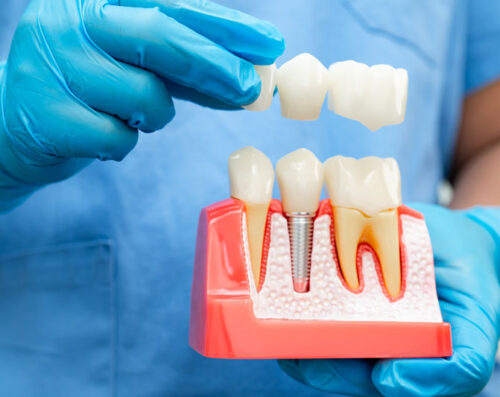
Losing a back tooth is more than a cosmetic issue—it’s a critical health concern that can dramatically impact your oral function, bite stability, and long-term dental health. Understanding your replacement options is key to making an informed decision that protects both your smile and overall well-being.
- Tooth Loss Triggers Immediate Consequences: Losing a back tooth causes adjacent teeth to shift within months, potentially destabilizing your entire bite and reducing chewing efficiency by 30-40%. Timely replacement is crucial to prevent cascading oral health issues.
- Implants Offer the Most Comprehensive Restoration: Dental implants are the gold standard, providing nearly 100% of natural chewing force and the only solution that preserves jawbone density by replacing the entire tooth root structure. Ideal for patients with good overall health and adequate bone volume.
- Bridge Solutions Provide a Faster Alternative: A fixed dental bridge offers a non-surgical option completed in just 2-3 weeks, restoring 80-90% of chewing efficiency. Perfect for patients needing a quick solution or those unable to undergo surgical procedures.
- Partial Dentures: An Accessible, Budget-Friendly Option: Removable partial dentures provide the most affordable replacement, though they restore only 25-30% of natural chewing force. Best suited for patients with budget constraints or those unable to pursue surgical interventions.
- Maintenance Is Critical to Long-Term Success: Each replacement option requires specific care: implants need precision cleaning, bridges require special flossing techniques, and partial dentures demand nightly removal and thorough cleaning. Regular dental check-ups are essential to monitor and protect your investment.
Understanding these key insights will help you navigate the complex world of back tooth replacement, ensuring you choose a solution that fits your health, lifestyle, and long-term oral wellness goals.
Introduction
Losing a back molar isn’t just about having a gap in your smile—it triggers a cascade of problems that affect your entire bite within just 3-6 months.
Your remaining teeth shift into the empty space. The tooth above or below begins to drift. And your jawbone starts dissolving where the root used to be.
The good news? Modern dentistry offers three proven paths to restore your missing back tooth, each designed for different budgets, timelines, and health situations.
Dental implants act as permanent artificial roots that preserve your bone and deliver near-total chewing power. Fixed bridges anchor to neighboring teeth for a surgical-free solution completed in weeks. Removable partial dentures provide the most affordable entry point with faster delivery.
But here’s what most people don’t realize: the “best” option isn’t universal—it depends on your specific bone health, lifestyle demands, and long-term goals.
Maybe you need something completed before a major work presentation in three weeks. Perhaps you’re ready to invest in a solution that lasts 25+ years. Or you might be navigating medical conditions that rule out surgery entirely.
This guide breaks down exactly how each replacement option works, what the process actually feels like, and which situations favor one solution over another. You’ll discover:
- The realistic timelines, costs, and maintenance requirements for each option
- How bone density, gum health, and medical conditions affect your candidacy
- What daily life looks like with each type of replacement
- The latest technological advances making treatment faster and more predictable
Understanding these differences transforms an overwhelming decision into a clear path forward—one that restores both your function and your confidence.
Understanding Missing Back Tooth Replacement: Core Concepts and Scope
Your back teeth—molars and premolars—handle over 200 pounds of bite force daily. Losing just one causes a 30-40% drop in chewing efficiency and starts a chain reaction in your mouth.
The Immediate Impact of a Missing Molar
When a back tooth is gone, the consequences begin within months. Adjacent teeth start shifting into the empty space, and the opposing tooth can begin to over-erupt.
This movement destabilizes your entire bite. It’s a primary reason why replacing a missing back tooth is crucial for long-term oral health.
The Hidden Cost: Bone and Bite Changes
Your jawbone needs the stimulation of a tooth root to maintain its volume. Without it, bone resorption begins quickly.
The resulting changes can be significant:
- Bite alignment problems often develop.
- Excess stress is placed on remaining teeth.
- The risk for TMJ discomfort increases.
This is why understanding dental implants vs. bridges is so important for an effective solution.
Making an Informed Choice
A dental bridge replaces a tooth by anchoring a false tooth to the neighboring natural teeth. It’s a fixed solution that doesn’t require surgery.
In contrast, a dental implant involves placing a titanium post in the jawbone to act as a new artificial root. It’s the only option that prevents bone loss by replacing the root structure.
Choosing the right treatment depends on your bone health, budget, and long-term goals for your smile.
Read More: Exploring the World of Bottom Teeth Implants
The Three Primary Replacement Pathways: Strategic Overview
Facing a missing back tooth means choosing between three proven restoration options. Understanding these core pathways helps you move toward a solution that fits your life, budget, and health.
Dental Implants: The Bone-Integrated Standard
A ditanium post is surgically placed into your jawbone, where it fuses over several months. After integration, a custom crown is attached.
The game-changing advantage is that an implant for a missing molar is the only option that preserves bone density. It delivers nearly 100% of your natural chewing force.
Who Makes the Ideal Implant Candidate?
You need adequate bone volume and good overall health. The process takes 4-9 months and represents a significant investment in your oral health, but offers unparalleled longevity.
Fixed Dental Bridges: The Proven Middle Ground
A fixed bridge uses crowns on the neighboring teeth to support a false tooth in between. This is a permanent tooth replacement that requires no surgery.
The key advantage is speed, often completed in 2-3 weeks. However, it requires permanently altering two healthy teeth.
The Bridge Trade-Off You Need to Know
Bridges typically last 10-15 years. The main risk is decay where the crown meets the natural tooth, which is why maintaining excellent oral hygiene is critical for its success.
Ultimately, your choice depends on your long-term health goals and immediate circumstances. An implant replaces the root and crown, while a bridge is a faster, non-surgical solution that relies on adjacent teeth.
Clinical Decision Framework: Matching Solution to Individual Context
Choosing the best replacement for your missing back tooth isn’t about a universal fix. It’s about finding the solution that fits your unique biological, lifestyle, and financial context.
To choose the best replacement, you must first understand what your body will allow.
The Foundation: Your Medical Profile
Your anatomy and health are the first gatekeepers. Bone density and volume are critical for dental implants, which typically need substantial jawbone support.
A CBCT scan provides a precise 3D map of your jaw. Certain conditions can create immediate roadblocks:
- Uncontrolled diabetes (HbA1c >7%) compromises healing
- Bisphosphonate medications increase jawbone risks
- Active gum disease must be resolved first
Nearly half of implant consultations reveal a need for bone grafting first. This adds months and cost, but may be your only path to the most durable option.
Aligning Solutions with Daily Demands
Your lifestyle dictates what you need from a replacement. The best missing tooth replacement for you restores function without disrupting your life.
Consider your need for chewing force and stability. Implants restore nearly 100% of natural bite force, while bridges offer 80-90%. A removable partial denture provides significantly less.
For professionals, stability during meetings is non-negotiable. Implants and fixed bridges stay securely in place, while partials can require a weeks-long adaptation period.
Weighing Time Against Permanence
Your decision often balances immediate need against long-term outcome. A dental bridge offers a complete solution in just 2-4 weeks, causing minimal life disruption.
An implant requires a 4-9 month commitment for optimal healing. This upfront investment in time, however, builds a foundation designed to last for decades.
The right choice emerges from honestly evaluating these three pillars: what’s medically possible, what your life demands, and what timeline you can commit to for a lasting result.
The Implant Pathway: Process, Expectations, and Advanced Considerations
Understanding the Four-Phase Journey
Success with a dental implant procedure hinges on a structured timeline that respects your body’s biology. This process typically spans 4-9 months, with each phase building a foundation for a restoration that can last decades.
Phase 1: Site Preparation and Foundation
If needed, an extraction is followed by an assessment for bone grafting. This step is critical for creating a stable foundation in the jaw. The graft requires 3-6 months to integrate before moving forward, a vital wait that ensures long-term success.
Phase 2: Surgical Implant Placement
A surgeon places the titanium post in a 60–90 minute procedure. Sedation options range from local anesthesia to IV sedation for comfort. Planning for 2-3 days of recovery is wise, with a soft diet and medication managing initial discomfort.
Phase 3: Osseointegration—The Invisible Work
This healing period is where the jawbone biologically fuses with the implant. For patients missing a back tooth, this integration is what ultimately provides the unmatched chewing power and stability. Checkpoints at 6 weeks and 3-6 months confirm progress.
Phase 4: Attaching Your Final Restoration
Once healed, an implant crown is attached to the post. This final crown is custom-crafted to match your natural teeth in shape, color, and function. Proper aftercare, including excellent oral hygiene, is non-negotiable to protect your investment.
The entire pathway is designed for predictability, transforming the challenge of a missing back tooth into a permanent, functional solution.
The Bridge Solution: Balancing Speed and Longevity
Picture this: You need your smile back in three weeks, not nine months. A fixed bridge delivers exactly that—a complete tooth replacement without surgery or lengthy healing periods.
Here’s the reality. While dental implants require 4-9 months from start to finish, the dental bridge procedure gets you chewing normally in under four weeks, making it a cost-effective dental bridge solution for many.
How Your Bridge Journey Actually Works
Your first appointment involves preparing the teeth on either side of the gap—your abutment teeth. Your dentist reshapes these teeth to accommodate crowns, a process known as teeth preparation for a bridge.
You’ll leave with a temporary bridge the same day. No gaps during your 2-3 week wait while the lab crafts your permanent restoration.
Visit two is straightforward: Your dentist bonds the three-unit structure using specialized dental cement. Expect some sensitivity for 7-14 days as you adapt.
Material Choices That Impact Your Results
Your traditional bridge options include:
- Porcelain-fused-to-metal: Combines strength with appearance, ideal for molars.
- All-ceramic zirconia: Premium aesthetics and high biocompatibility.
- Gold alloy: The longevity champion at 20+ years.
Research shows porcelain-fused-to-metal bridges average 10-15 years, while all-ceramic options now approach similar durability.
The Maintenance Reality Nobody Mentions
Your bridge’s biggest vulnerability is the crown preparation sites where decay can sneak under margins. Daily flossing with threaders under the pontic is non-negotiable.
Prevention essentials:
- Water flossers to clean the pontic undersurface
- Fluoride rinses targeting the margins
- Six-month checkups with annual X-rays
When Bridges Make Perfect Sense
Bridges outperform alternatives in specific scenarios: adjacent teeth already have large fillings, you need completion before a major event, or surgery isn’t viable. The trade-off is committing healthy tooth structure, but for the right candidate, it remains a durable tooth replacement that beautifully restores function.
Removable Partial Dentures: Accessibility and Trade-Offs
Picture this: You need to replace that missing back tooth, but surgery isn’t an option or your budget won’t stretch to an implant. A removable partial denture offers an accessible path forward with some important trade-offs to understand.
Three Framework Types That Define Your Experience
Cast metal partials use cobalt-chromium for superior strength with minimal bulk. Metal clasps grip your natural teeth for retention, and with proper care, these typically last 5-10 years.
Acrylic partials cost less and allow easier adjustments. The framework is thicker, which can challenge adaptation, but they work brilliantly as interim solutions while you’re healing from an extraction or saving for an implant.
Flexible partials like Valplast use tooth-colored clasps that virtually disappear. No metal shows when you smile, but the less rigid material can allow slightly more movement against your gums during chewing.
The Functional Reality Check
Here’s the honest truth: partial dentures restore only 25-30% of your natural chewing force. This is a key consideration when choosing a tooth replacement option for your lifestyle.
Certain foods become challenging:
- Sticky caramels and taffy
- Hard nuts and raw vegetables
- Chewy steak or bagels
For professional lunches, this means strategic menu choices. Many patients develop workarounds—cutting food smaller, chewing on the opposite side, or ordering softer options at business dinners.
Ensuring a Secure, Healthy Fit
Stability isn’t guaranteed without proper fit. Adhesive can help, but if you’re using it daily, that signals your partial needs adjustment or relining—not that adhesive should become permanent.
Every 1-2 years, you’ll need a soft reline, and hard relines come every 2-3 years as your gum tissue naturally changes shape. This ongoing maintenance is part of the long-term cost of dentures to keep them fitting securely and comfortably.
Precision attachments offer an upgrade path for enhanced stability without visible clasps.
Comparing Total Outcomes: Longevity, Function, and Lifestyle Fit
How Long Each Option Actually Lasts
Picture investing in a missing back tooth replacement today. How long before you’re back in the dental chair?
Dental implants deliver 25+ years of service, with the titanium post often lasting a lifetime. The crown typically needs replacement around 15-20 years, similar to new tires on a reliable car.
The Lifespan Reality Check
Bridges average 10-15 years before replacement. The weak link is usually the supporting teeth, not the bridge itself.
Partial dentures offer the shortest framework lifespan at 5-8 years. You’ll need professional relines every 2-3 years as your gums change.
Real-World Chewing Performance
Bite force restoration reveals stark differences in daily function. This is where the implant vs bridge and implants vs dentures comparisons become most clear.
- Implants restore 95-100% of natural chewing power
- Bridges deliver 80-90% efficiency
- Partials provide only 25-30% of normal force
What This Means at Lunch
Implants let you order anything without hesitation. Steak, nuts, and raw vegetables all feel completely natural.
Bridges handle most foods but require caution with extremely hard or sticky items. Partials force significant dietary changes and longer chewing times.
The Critical Bone Loss Difference
Only implants actually preserve your jawbone. The titanium post mimics a natural tooth root, stimulating bone through normal chewing pressure.
Bridges and dentures sit on top of the gums, allowing underlying bone to gradually deteriorate. This can change your facial structure over time and create a domino effect for losing more teeth.
Your choice directly impacts how you eat, how often you need replacements, and your long-term oral health. Prioritize the solution that supports your lifestyle for decades, not just years.
Making Your Decision: Structured Consultation and Next Steps
Your first consultation sets the foundation for successful back tooth replacement. Walking in prepared transforms a confusing appointment into a clear path forward.
Bring your complete medical history, current medications list, and any dental records from your previous provider. Your insurance card matters too—many plans cover 50% of prosthetic work, significantly reducing your out-of-pocket costs.
Questions That Reveal Provider Quality
Ask your dentist how many procedures like yours they complete annually. Experience matters dramatically—providers placing 50+ implants yearly demonstrate proficiency that translates to better outcomes.
Request details on their technology stack:
- CBCT scanning availability for precise implant planning
- CAD/CAM systems for accurate crown fabrication
- Guided surgery capabilities that improve placement accuracy
Crucially, discuss which option they recommend you choose replacement and why. Get a written timeline including healing periods and total appointment count.
Understanding Your Diagnostic Workup
Your comprehensive exam evaluates whether you’re a good candidate for each replacement option.
Periodontal probing measures gum health—active disease requires treatment before any restoration. Imaging requirements vary significantly:
- Partials need only panoramic X-rays
- Bridges require periapical films of adjacent teeth
- Implants demand CBCT scans showing bone density
Expect a detailed treatment plan comparing your realistic options side-by-side. This document becomes your roadmap and negotiation tool.
Navigating Financial Realities
Insurance coverage varies wildly—surgical implants receive 0-80% reimbursement while prosthetics typically get 50%. Missing tooth clauses can exclude coverage if the loss occurred before your policy started.
Smart patients spread treatment across benefit years, maximizing annual maximums. Financing options include interest-free in-house plans and HSA/FSA pre-tax dollars.
Recognizing Red Flags
Pressure to commit immediately signals a problem. A trustworthy provider encourages you to review your plan and seek a second opinion for major procedures. This ensures you have all the information to confidently move forward.
Maintenance, Longevity, and Troubleshooting Your Replacement
Your replacement tooth needs the right care to last decades. Each option has specific vulnerabilities that daily habits directly impact.
Think of maintenance as protecting your investment—proper dental implant care and bridge maintenance multiplies your return.
Daily Care That Actually Protects Your Investment
Implants demand precision cleaning at the gum line. Use soft brushes at a 45-degree angle and interdental tools around the crown base.
Bridges require threading beneath the fake tooth. Use floss threaders to clean the pontic’s undersurface daily.
Partials need nightly removal and separate cleaning. Brush them with denture cleanser, never regular toothpaste.
Professional Checkups Catch Problems Early
Schedule hygiene visits every six months. For implants, this includes checking for peri-implantitis, a gum disease that can threaten the supporting bone.
Your dentist will also evaluate the long-term success of dental bridges by checking the abutment teeth and cement seals during these visits.
Annual X-rays track bone levels and help ensure everything remains stable.
Red Flags That Demand Immediate Action
Watch for these warning signs:
- Implant issues: Bleeding gums, mobility, or pus discharge.
- Bridge problems: A clicking sensation from debonding or a persistent bad taste.
- Partial discomfort: New sore spots or a noticeably loose fit.
Ignoring these signs can turn a simple fix into a complex repair. Early action is the most effective strategy for preserving your smile and your investment.
Latest Data, Trends, and Innovations in Back Tooth Replacement (2024–2025)
The dental technology landscape is transforming how we replace missing back teeth. Digital workflows and advanced materials are shortening treatment times while improving outcomes across all replacement options, making a permanent solution for a missing molar more accessible than ever.
Picture this: Walking into your dentist’s office and walking out with a new crown the same day. That’s becoming reality for more patients in 2024.
Ceramic Implants Gain Ground
Zirconia implants are emerging as a metal-free alternative to traditional titanium posts. These white ceramic implants eliminate concerns about metal allergies and offer superior aesthetics, which is a key consideration for replacing a missing back tooth when gum tissue is thin.
Recent FDA-cleared zirconia implants show strong clinical performance, though they carry a higher cost and shorter long-term data compared to titanium.
Digital Dentistry Speeds Everything Up
Intraoral scanners are replacing uncomfortable impression trays. The digital approach reduces gagging, improves accuracy, and cuts fabrication time by up to 40%, accelerating the entire treatment journey.
Same-day dentistry is expanding rapidly:
- CEREC systems mill crown and bridge components in-office
- Digital workflows reduce multi-unit cases from weeks to just a few visits
- 3D printing slashes production time for prosthetic frameworks
AI and Immediate Protocols Mature
Machine learning algorithms now analyze 3D scans to optimize implant planning before surgery. AI-assisted planning reduces surgical errors and improves first-time success rates.
Furthermore, implant-supported bridges are benefiting from refined immediate-loading techniques. Placing a temporary prosthesis on the same day as surgery is now routine for qualified candidates with adequate bone, moving patients swiftly toward a fixed, functional solution.
The innovations in 2024 focus on delivering faster, more predictable, and aesthetically integrated results, turning a complex procedure into a streamlined patient experience.
Conclusion
Your missing back tooth isn’t just a gap—it’s a ticking clock on your oral health. Every month of delay allows neighboring teeth to shift, bone to deteriorate, and your bite to destabilize.
The good news? You now have a clear roadmap to restoration.
Your most critical takeaways:
- Implants preserve bone and deliver lifetime value but require 4-9 months and adequate jawbone
- Bridges restore function in 2-3 weeks without surgery, ideal when time matters more than longevity
- Partials offer immediate affordability but limit chewing power to just 25-30% of natural force
- Your medical profile and lifestyle demands dictate which solution will actually work for you
- Early action prevents the domino effect of additional tooth loss and costly complications
Take these steps this week:
Schedule a comprehensive consultation with a dentist experienced in all three replacement options. Bring your medical history, insurance information, and a list of questions about timelines and total costs.
Request a CBCT scan if you’re considering implants—this reveals exactly what’s possible before you commit.
Compare written treatment plans side-by-side, focusing on total lifespan costs rather than just initial price tags.
The transformation starts with one decision. Whether you choose the permanence of an implant, the speed of a bridge, or the accessibility of a partial, moving forward now protects your remaining teeth and restores the confidence that comes from chewing without hesitation.
Your smile deserves a solution that works for decades, not just months. The right choice is the one you make before more damage occurs.