


Why Dental Implants Are Great for Missing Front Teeth
Basics of implants — strong, natural tooth restoration with a metal post.
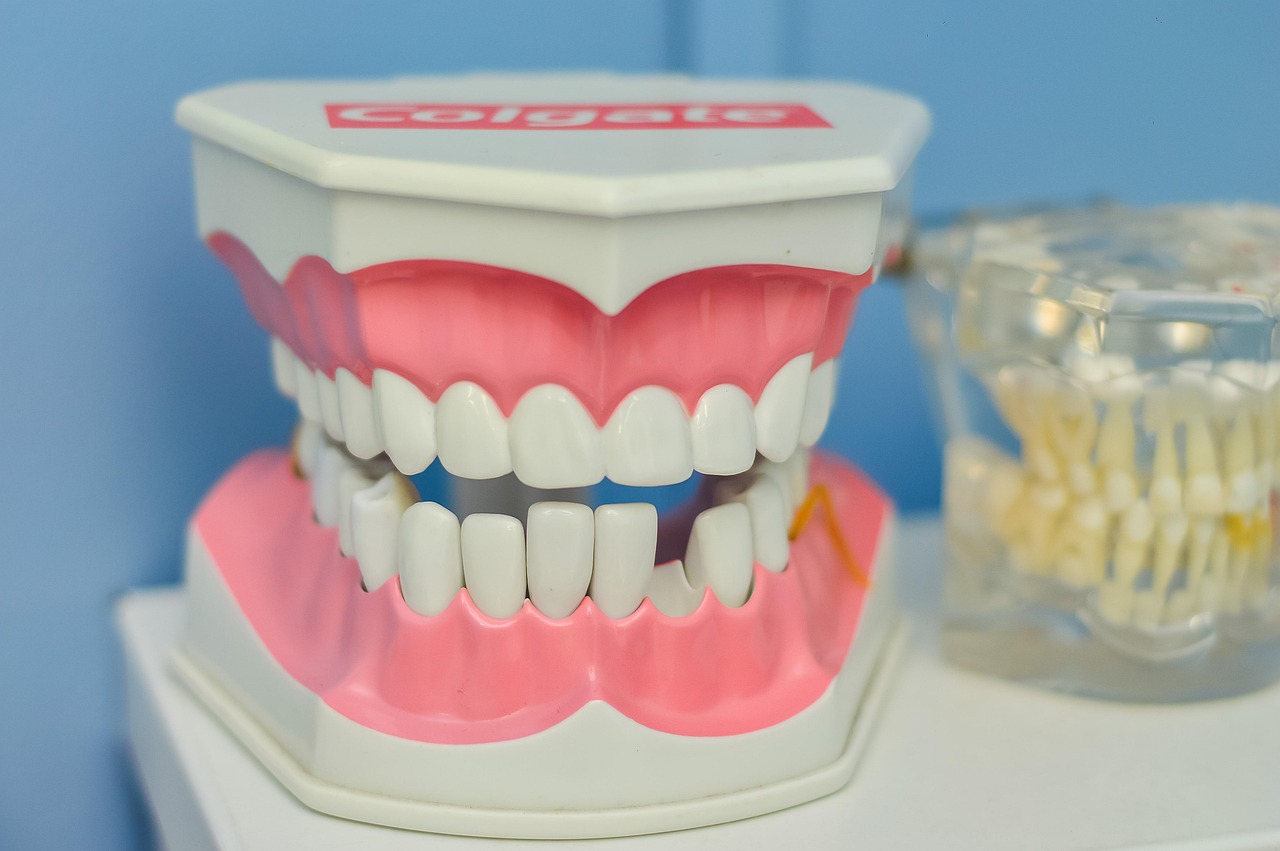
Missing a front tooth is more than a cosmetic issue—it’s a comprehensive health challenge that demands strategic, personalized solutions. These key insights will help you navigate your restoration journey with confidence and clarity.
- Missing Front Teeth Impact Goes Beyond Aesthetics: Tooth loss affects speech, eating, and facial structure, with bone deterioration beginning immediately after losing a tooth. Prompt replacement is crucial to prevent long-term oral health complications.
- Dental Implants Represent the Gold Standard Restoration: Titanium and zirconia implants offer a permanent solution that preserves jawbone, prevents neighboring teeth from shifting, and provides a naturally functioning replacement indistinguishable from original teeth.
- Multiple Replacement Options Exist for Every Budget: From traditional bridges ($2,500–$5,500) to advanced implants ($3,000–$6,500), modern dentistry provides flexible solutions tailored to individual oral anatomy, financial constraints, and aesthetic goals.
- Candidate Selection is Critical for Successful Restoration: Ideal tooth replacement candidates have sufficient bone density, healthy gum tissue, and well-managed overall health. A comprehensive dental assessment determines the most appropriate intervention strategy.
- Immediate-Load Technologies Revolutionize Tooth Replacement: Advanced dental protocols now allow for same-day provisional crowns, enabling patients to leave the office with a complete smile while the permanent restoration integrates.
- Long-Term Maintenance Determines Restoration Success: Rigorous oral hygiene and professional follow-up are non-negotiable for preserving your tooth replacement, whether you choose implants, bridges, or alternative solutions.
Understanding your unique oral health landscape is the first step toward reclaiming a confident, functional smile that looks and feels completely natural.
Introduction
Look in the mirror and smile wide. If you see a gap where a front tooth should be, you already know the profound impact it has on your daily life.
Missing front teeth affect 178 million Americans, creating challenges that extend far beyond appearance. Every conversation, meal, and photograph becomes a moment of self-consciousness.
The gap in your smile creates a cascade of problems that worsen with time. Your jawbone begins deteriorating without the stimulation of tooth roots. Adjacent teeth start shifting into the empty space, creating bite problems that make future treatment more complex and expensive.
Speaking clearly becomes difficult as air escapes through the gap. Eating certain foods turns awkward or painful. And the psychological toll? Studies show that visible tooth loss significantly impacts professional opportunities and social interactions.
But here’s the empowering truth: modern dentistry offers multiple pathways to restore your complete smile, each designed for different situations, timelines, and budgets.
Your options include:
- Dental implants that function like natural teeth and prevent bone loss
- Traditional bridges that deliver results in just 2-3 weeks
- Conservative alternatives that preserve more of your natural tooth structure
The right solution depends on your unique circumstances—your oral health, timeline preferences, and long-term goals. Some patients need immediate aesthetics while healing, while others prioritize the most permanent solution regardless of treatment duration.
Understanding each restoration method’s process, benefits, and true costs empowers you to make the decision that aligns with both your smile goals and your life.
The following guide breaks down everything you need to know about each replacement option, from the initial consultation through long-term maintenance. You’ll discover how each solution works, what to expect during treatment, and how to evaluate which path delivers the results you’re seeking.
Understanding Missing Front Teeth: Causes, Impact, and Overview
Losing a front tooth changes more than your smile—it affects how you eat, speak, and interact with others every single day. Unlike molars, missing front teeth are immediately visible in every conversation and photo.
What Qualifies as Missing Front Teeth
Dentists refer to the absence of any teeth in your visible smile zone. This includes your central and lateral incisors and canines, which can be lost to injury, disease, or be congenitally missing.
Primary Causes of Tooth Loss
Trauma tops the list, from sports to accidents. However, the most common cause of tooth loss in adults is advanced gum disease, which destroys the supporting bone.
Other key reasons include:
- Severe tooth decay
- A congenital absence of teeth
- Failed previous dental work
Consequences of an Empty Space
The cosmetic impact is immediate, but the functional problems with missing teeth develop quickly. Your jawbone deteriorates without stimulation, and adjacent teeth shift.
This drifting creates bite issues and makes replacing missing front teeth more complex over time. Speech and comfortable eating become challenging.
The Critical Need for Replacement
Leaving the space empty is not a stable solution. The surrounding teeth will move, and bone loss will continue, which can affect your facial structure. Addressing the gap promptly protects your oral health and restores your confident smile.
Comprehensive Replacement Options for Missing Front Teeth
Picture a consultation with several treatment plans before you. Each path leads to a restored smile, but the journey and final result differ significantly.
The optimal choice depends on your unique oral anatomy, timeline, and personal goals rather than a one-size-fits-all solution.
Evaluating Your Foundation
Your decision starts with a strategic assessment of key factors. Modern dental solutions exist on a spectrum from temporary to permanent fixes.
Critical considerations include:
- Jawbone density and volume
- Health of adjacent teeth
- Budget and insurance parameters
- Desired treatment timeline
- Long-term maintenance commitment
A staged approach is common, using a temporary fix while preparing for a permanent restoration.
Dental Implants: The Complete Restoration
Dental implants are the gold standard because they replace the entire tooth structure, root and crown. A titanium post integrates with your jawbone before a custom crown is attached.
This solution offers distinct advantages:
- Preserves jawbone to prevent facial collapse
- Does not alter healthy neighboring teeth
- Provides exceptional longevity and function
Innovative Implant Protocols
Recent advances include immediate-load implants, which can support a provisional tooth within days of surgery. Digital planning streamlines the process for greater efficiency and precision.
Ideal candidates typically have:
- Sufficient bone density
- Healthy gum tissue
- Well-managed overall health
Dental Bridges: A Traditional Approach
A dental bridge uses crowns on adjacent teeth to support a false tooth in the gap. It’s a reliable, non-surgical option that can often be completed in just a few weeks.
Selecting the right option requires balancing clinical viability with your lifestyle, ensuring your chosen path delivers both function and confidence for years to come.
Dental Implants for Front Teeth: Process, Materials, and Outcomes
Dental implants are the premier choice for a missing front tooth, offering a permanent solution that becomes part of your jaw. They are titanium or ceramic posts that act as artificial roots, preserving your facial structure and delivering a completely natural look.
Why Implants Are the Superior Choice
Implants are the only restoration that prevents bone loss after tooth loss. They stimulate the jawbone just like natural roots, maintaining your facial profile. This makes them the best option for front teeth, where aesthetics are critical.
Unlike a dental bridge, an implant stands alone without altering healthy neighboring teeth. The modern ceramic crowns used are custom-shaded to blend seamlessly with your smile, providing a truly natural appearance.
Choosing Your Implant Material
Two primary materials are used for the implant post itself, each with distinct advantages.
Titanium implants have a decades-long track record of success and integrate predictably with bone. A potential drawback for a front tooth is that a grayish tint can sometimes show through thin gum tissue.
Zirconia implants are a metal-free, white ceramic alternative. They eliminate any risk of a dark shadow, making them an excellent choice for patients with thin gums or aesthetic concerns in the smile zone.
The Modern Implant Procedure
Today’s process is precise and patient-focused. It begins with advanced 3D imaging for detailed planning. For suitable candidates with good bone, immediate load dental implants allow for a temporary crown to be placed on the same day as surgery.
This approach lets you leave the office with a complete smile while the implant heals. The final, permanent crown is attached once the implant has fully fused with the jawbone, completing your restoration.
The result is a stable, long-lasting replacement that looks, feels, and functions like your natural tooth, restoring both your smile and your confidence.
Dental Bridges for Missing Front Teeth: Types, Procedure, and Maintenance
Picture this: You’re missing a front tooth and need a solution faster than implants. Dental bridges offer a proven path to restore your smile in just 2-3 weeks, using your existing teeth as anchors.
This makes them a highly effective tooth replacement option for a single missing front tooth.
How Dental Bridges Work
Your dentist crowns the teeth on either side of the gap, connecting them with an artificial tooth called a pontic. This creates a fixed, natural-looking restoration.
The Traditional Fixed Bridge
Traditional bridges are the most common solution, ideal for replacing one or two missing front teeth. The adjacent teeth are prepared for crowns that support the pontic.
The process typically involves two appointments:
- First Visit: Tooth preparation and impressions.
- Second Visit: Permanent bridge placement and cementation.
Considering a Maryland Bridge
For a more conservative approach, a Maryland dental bridge uses wings bonded to the back of adjacent teeth, preserving more natural tooth structure. This can be an excellent choice for younger patients.
Caring for Your New Smile
Proper oral hygiene is non-negotiable for bridge longevity. You must clean under the artificial tooth daily with special floss or brushes.
With consistent care, a dental bridge is a reliable, long-term tooth replacement option that seamlessly restores your smile’s appearance and function.
Cost Analysis: Replacing Missing Front Teeth in 2026
Understanding the true cost of tooth replacement requires looking beyond initial quotes. Smart patients compare the total investment over time, including the cost of dental implants versus other solutions.
What Actually Drives Your Final Bill
Picture this: Two patients get the same implant, but one pays $3,000 while another spends $6,500. The difference lies in hidden variables and practice pricing structures.
Component-based costs break down into:
- Professional expertise and specialization in aesthetics
- Material quality and technology access
- Geographic location and facility standards
Single Front Tooth: Real 2026 Price Ranges
For a single tooth dental implant, the complete treatment typically ranges from $3,000–$6,500.
This investment covers:
- Consultation and 3D imaging
- Surgical placement and a custom abutment
- A high-quality zirconia or e-max crown
Comparing Your Restoration Options
A traditional three-unit dental bridge offers another path, costing $2,500–$5,500. It’s a fixed solution that uses two crowned teeth to support a false tooth between them.
For a non-invasive and reversible option, consider a maryland bridge. This conservative bridge costs $1,800–$3,000 and bonds to the backs of adjacent teeth without extensive preparation.
Ultimately, your choice balances upfront cost with long-term value, bone health, and aesthetic goals for your smile.
Conclusion
Your smile shouldn’t remain incomplete while you weigh your options. Missing front teeth demand timely action, not just for aesthetics, but to preserve your jawbone, bite alignment, and long-term oral health.
The good news? Modern dentistry offers proven pathways to restore your confidence, whether you prioritize permanence, speed, or budget.
Here’s what matters most as you move forward:
- Implants deliver lifetime value by preventing bone loss and functioning like natural teeth, making them the gold standard for front tooth replacement
- Bridges restore your smile in weeks, offering a reliable, non-surgical alternative when implants aren’t immediately viable
- Acting quickly prevents complications—delayed treatment leads to bone deterioration, tooth shifting, and increased complexity down the road
- Material choices matter for aesthetics, especially zirconia implants and e-max crowns that eliminate any risk of dark shadows in your smile zone
- Total cost includes longevity—compare 20+ year outcomes, not just initial prices, to understand true investment value
Your next step is consultation, not commitment. Schedule assessments with both an implant specialist and a cosmetic dentist. Get 3D imaging done to understand your bone structure and candidacy for different solutions.
Ask about staged approaches if budget is a concern—many patients use a temporary solution while preparing for their ideal permanent restoration.
Your complete smile is within reach. The treatments exist, the materials are proven, and the process is more comfortable than ever before. The only question remaining is which path you’ll choose—and the answer starts with that first appointment.
Don’t let another day pass watching your confidence fade in photos and conversations. Your restoration journey begins now.