


Can You Temporarily Fix a Lost Crown at Home? Simple Steps & Safe Solutions
Basics of implants — strong, natural tooth restoration with a metal post.
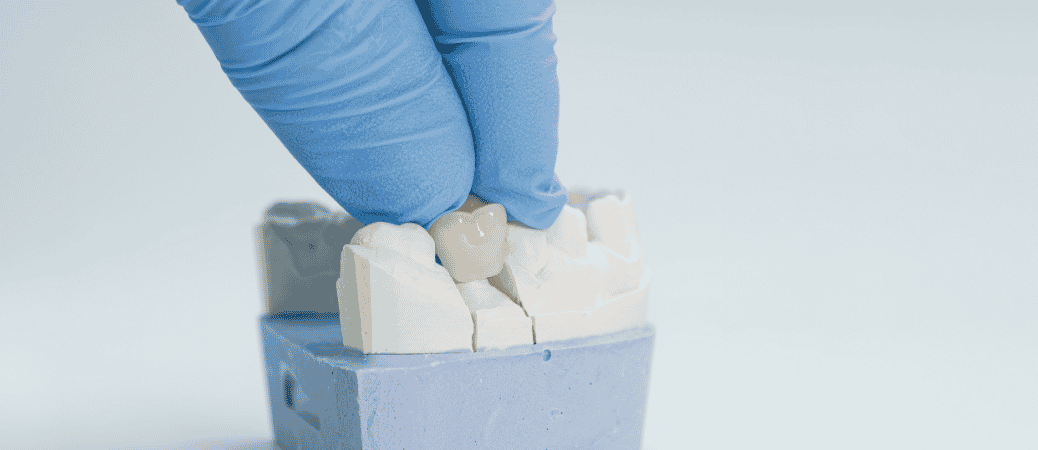
A lost dental crown can happen at any time, whether you’re eating, flossing, or just going about your day.
When it does, you might worry about the exposed tooth and wonder what you can do before getting to a dentist.
The good news is that this situation is common and usually not a medical emergency.
Temporary fix for lost dental crown at home is using over-the-counter dental cement or denture adhesive to protect the exposed tooth until you can see your dentist.
These products are available at most pharmacies and can safely hold your crown in place for a short period. The key is knowing which materials are safe to use and which ones to avoid.
Acting quickly helps protect your tooth and prevents it from shifting, which could make your crown fit poorly later.
While a temporary fix can protect the exposed tooth at home, scheduling a dental appointment as soon as possible is important.
This guide will walk you through everything you need to know about handling a crown that came off, from immediate steps to safe temporary solutions.
Key Takeaways
- Clean and save your crown immediately, then use dental cement or denture adhesive to reattach it temporarily
- Never use superglue or household adhesives on your teeth as they can cause serious damage
- See your dentist within a few days to prevent tooth shifting and ensure proper recementation
What To Do Immediately When a Crown Falls Off
When your crown comes off, taking quick and careful steps can protect the exposed tooth and increase the chances your dentist can reattach it.
You need to stay calm, secure the crown properly, check for any damage, and know when the situation requires urgent care.
Staying Calm and Assessing the Situation
Finding your crown in your hand or on your plate can feel shocking, but panicking won’t help.
Take a deep breath and remind yourself that a lost dental crown is a common dental issue that can usually be fixed.
Remove the crown from your mouth if it’s still loose. Look at the exposed tooth structure and notice if you feel any pain or sharp edges.
Check your tongue and cheeks for cuts or irritation.
Most lost crowns aren’t true emergencies. You typically have time to gather the crown, clean it, and schedule a dental appointment within a day or two.
Safely Retrieving and Storing the Crown
Pick up the crown carefully and rinse it gently with warm water. Don’t scrub it with soap or harsh cleaners. Just remove any food particles or debris.
Dry the crown with a clean paper towel or gauze. Place it in a small container with a lid, like a pill bottle or plastic bag. Keep it somewhere safe where it won’t get crushed or lost.
Storage tips:
- Use a clean, dry container
- Label it so you remember what’s inside
- Bring it to your dental appointment
- Never wrap it in tissue (you might throw it away by accident)
Your dentist may be able to reattach the existing crown, which saves time and money compared to making a new one.
Inspecting Your Tooth and the Crown for Damage
Look at the crown carefully under good light. Check the inside for cracks, chips, or pieces of cement still stuck to it. A damaged crown might need replacement instead of reattachment.
Gently feel your exposed tooth with your tongue. Notice if it feels sharp, jagged, or sensitive to air. You can also look at it in a mirror if possible.
What to check:
- Is the crown intact or broken?
- Does the tooth feel smooth or rough?
- Is there any bleeding from the gum line?
- Can you see dark spots or decay on the tooth?
Don’t poke at the tooth with your fingers or objects. This could cause more damage or introduce bacteria.
When to Consider a Dental Emergency
Most situations where your crown came off can wait for a regular appointment. But some signs mean you need to see a dentist right away.
Seek emergency dental care if you experience severe pain that doesn’t improve with over-the-counter pain medication.
Swelling in your gums, face, or jaw could signal an infection that needs immediate treatment.
Emergency warning signs:
| Symptom | Why It’s Urgent |
| Severe, throbbing pain | May indicate nerve exposure or infection |
| Swelling or fever | Could mean spreading infection |
| Heavy bleeding | Might signal gum or tooth damage |
| Sharp broken edges | Can cut your tongue or cheek |
| Trouble swallowing or breathing | Requires immediate medical attention |
Call your dentist’s emergency line if you notice any of these symptoms. If your tooth broke off with the crown or you see visible damage to the tooth structure, don’t wait to get help.
Safe Temporary Solutions You Can Use at Home
When your crown falls off, you have several options to temporarily reattach it until you can visit your dentist.
Proper cleaning comes first, followed by choosing the right temporary adhesive or protective material for your situation.
Cleaning the Crown and Tooth Structure
Before you attempt any temporary fix, you need to clean both the crown and the exposed tooth.
Rinse the crown gently under warm water to remove any old cement, food particles, or debris. You can use a soft toothbrush to carefully clean the inside of the crown.
Clean the exposed tooth by brushing it gently with toothpaste and water. Rinse your mouth thoroughly to remove any loose material.
Make sure both the crown and tooth are completely dry before applying any adhesive. You can pat them dry with a clean cloth or gauze.
Inspect the crown for any cracks or damage. If you see pieces of your natural tooth still stuck inside the crown, leave them in place and call your dentist right away.
Over-the-Counter Dental Cement and Temporary Filling Material
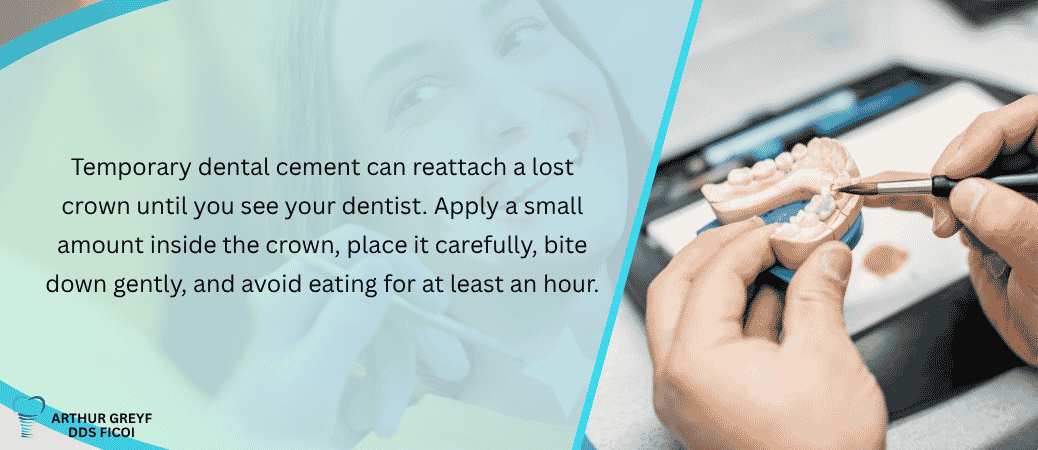
Over-the-counter temporary dental cement provides the most secure way to reattach your crown at home.
Dentemp is one of the most common brands you’ll find at pharmacies. These products are specifically designed to hold crowns in place temporarily.
To use temporary dental cement, apply a small amount inside the crown. Don’t overfill it, as excess cement will squeeze out when you place the crown back on your tooth.
Position the crown carefully over your tooth and bite down gently to seat it properly.
Temporary filling materials like Cavit can also work in a pinch. Hold the crown in place for a few minutes while the cement sets.
Avoid eating or drinking for at least an hour after application.
Using Denture Adhesive or Sugar-Free Gum as Alternatives
If you don’t have dental cement available, denture adhesive can serve as a temporary solution. Apply a thin layer of denture adhesive inside the crown and press it onto your tooth.
This won’t hold as strongly as proper temporary dental cement, but it can work for a short period.
Sugar-free gum offers another emergency option when nothing else is available. Chew a small piece until it becomes soft and pliable.
Place it inside the crown and position the crown back on your tooth. This method is very temporary and should only be used if you’ll see your dentist within 24 hours.
Both alternatives require extra caution when eating. Stick to soft foods and chew on the opposite side of your mouth.
Protecting Sharp Edges With Dental Wax
Sometimes a lost crown leaves behind sharp edges on your tooth that irritate your tongue or cheeks. Dental wax provides protection for these situations.
You can find it at most pharmacies in the dental care section.
Dry the sharp area with a tissue or gauze. Pinch off a small piece of wax and roll it into a ball between your fingers to warm it up. Press the softened wax firmly over the sharp edge of your tooth.
The wax will create a smooth barrier between the jagged tooth and your soft tissues.
Replace the wax after eating or if it falls off. Dental wax is safe to swallow accidentally, so don’t worry if you ingest small amounts.
Step-By-Step Guide to Reattaching a Loose or Lost Crown
Reattaching your crown at home requires careful preparation and the right materials to ensure a secure temporary hold.
Following the proper steps will help protect your tooth and keep the crown in place until your dental appointment.
Doing a Dry Fit Before Cementing
Before applying any cement, you need to make sure your crown fits properly back on your tooth.
Clean both the inside of the crown and your tooth gently with a soft toothbrush and water to remove any food particles or debris.
Hold the crown in your hand and look inside it to identify which way it should sit on your tooth. Try placing the crown back on your tooth without any cement first. This is called a dry fit.
Press down gently to see if the crown slides into place easily. It should feel snug and comfortable without any rocking or movement.
Close your teeth together slowly to check if the crown feels level with your other teeth.
If the crown doesn’t fit right or feels too high, don’t force it. Remove it and try again from a different angle. The crown should slide on smoothly and feel natural in your mouth.
Applying Dental Cement or Adhesive
Once you’ve confirmed the fit, you’re ready to apply the adhesive. You can purchase temporary dental cement from a pharmacy or use products like Dentemp specifically designed for this purpose.
Dry both your tooth and the inside of the crown as much as possible using a cotton swab or clean cloth. Apply a small amount of the cement or adhesive inside the crown.
Don’t use too much, as excess cement can squeeze out and feel uncomfortable.
Place the crown carefully back onto your tooth, lining it up the same way you did during your dry fit. Press down firmly but gently for about 30 seconds to one minute.
Wipe away any excess cement that squeezes out from the edges with a damp cotton swab or tissue.
Wait at least 30 minutes before eating or drinking anything to allow the cement to set properly.
Ensuring Correct Bite and Fit
After placing the crown, you need to check that your bite feels normal. Close your teeth together slowly and pay attention to how the crown meets your other teeth.
The crown shouldn’t feel too high or prevent your teeth from closing completely. If it does, remove the crown immediately and try reapplying it with less cement.
A high crown can cause jaw pain and damage to your other teeth.
Move your jaw side to side and forward and backward. The crown should stay firmly in place during these movements.
If you notice any wobbling or shifting, the crown may need to be repositioned.
Check that you can floss gently on both sides of the crown. If the floss won’t fit through, too much cement may have squeezed between the teeth.
Precautions to Avoid Further Damage
Taking care of your temporarily reattached crown is important to prevent it from falling off again. Avoid eating sticky foods like caramel, taffy, or gum that can pull the crown loose.
Stay away from hard or crunchy foods on that side of your mouth. Choose soft foods instead and chew carefully on the opposite side whenever possible.
Don’t use your teeth as tools to open packages or bite your nails. Be extra gentle when brushing around the crown area, but continue to brush twice daily to keep the area clean.
Important precautions:
- Avoid very hot or cold foods and drinks that can cause sensitivity
- Don’t delay seeing your dentist for permanent recementation
- Contact your dentist immediately if you experience pain or swelling
- Remove the crown if it feels loose to avoid accidentally swallowing it
If the crown falls off again after reattaching it, keep it in a safe place and call your dentist right away.
Multiple failed attempts to reattach may indicate a problem that needs professional attention.
When To Seek Urgent Professional Dental Care
While a lost crown can often wait a day or two for repair, certain warning signs mean you need immediate attention.
Severe pain, broken teeth, and spreading infections require same-day care to prevent serious complications.
Signs It’s Time for the Dentist
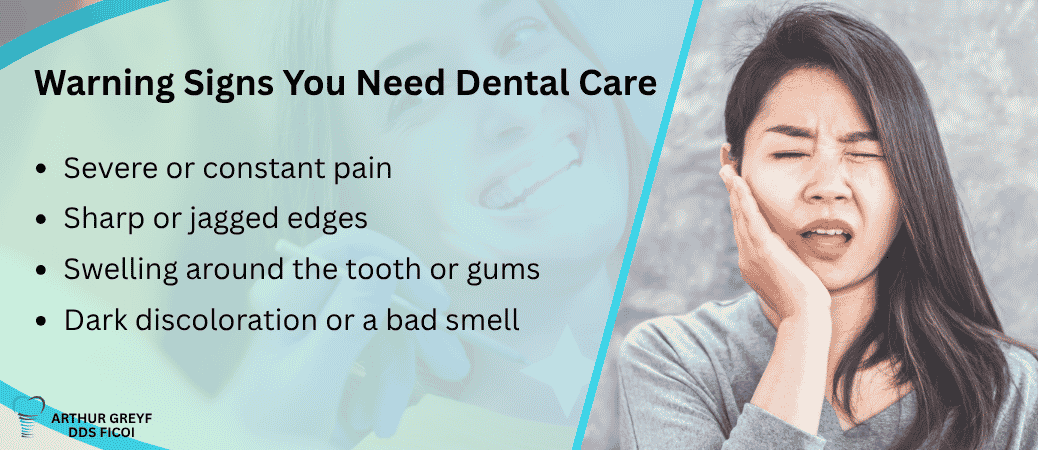
You should contact your dentist right away if you notice any of these warning signs after your crown falls off:
Severe or constant pain that doesn’t respond to over-the-counter pain relievers means something more serious may be happening beneath the surface.
The exposed nerve or an underlying infection needs professional treatment.
Sharp or jagged edges on the remaining tooth can cut your tongue, cheeks, or gums.
If you can’t smooth the edges with dental wax, you need urgent dental care to prevent injuries to your soft tissues.
Swelling around the tooth or gums suggests decay or infection was developing under the crown.
If the swelling spreads to your face, jaw, or neck, this becomes a dental emergency requiring immediate attention.
Dark discoloration or a bad smell from the exposed tooth often indicates decay that was hidden beneath the crown.
A prosthodontist or general dentist needs to evaluate whether the tooth can be saved.
Risks of Delaying Treatment
Putting off treatment for a lost crown can lead to complications that make your situation worse and more expensive to fix.
The exposed tooth structure is weaker than a natural tooth because it’s been filed down. Without the crown’s protection, you risk cracking or breaking the tooth further when you bite or chew. A broken tooth may not be salvageable.
Bacteria can easily enter the exposed tooth without its protective barrier. This can cause decay to develop rapidly on the prepared tooth surface.
Left untreated, the infection can spread to the root and surrounding bone.
The longer you wait, the less likely your dentist can recement your original crown. The tooth may shift position or sustain additional damage that requires a new crown or more extensive treatment.
Handling Severe Pain or Loose Teeth
If you’re experiencing severe pain from your exposed tooth, take over-the-counter pain relievers like ibuprofen or acetaminophen as directed.
You can also apply clove oil to the tooth with a cotton swab for temporary numbing relief.
Loose teeth after crown loss require immediate professional dental care. Don’t wiggle or push on the tooth with your tongue or fingers.
Any remaining cement may be the only thing keeping the tooth stable.
Call your dentist’s emergency line or visit an urgent care dental clinic if the pain becomes unbearable.
Most dental offices reserve same-day appointments for urgent situations like severe pain or trauma.
If you experience difficulty breathing, high fever, or swelling spreading to your throat, go to the emergency room immediately.
These symptoms indicate a serious infection that needs medical intervention beyond what a dental office can provide.
Tips to Prevent Future Crown Loss and Maintain Oral Health
Taking care of your dental crown requires daily attention and regular professional care. Good habits can help your crown last 15 to 30 years while protecting the tooth underneath.
Protecting Your Crown and Tooth Structure Long-Term
You should avoid hard and sticky foods that can damage or dislodge your dental crown. Items like ice, hard candy, caramel, and taffy put extra stress on the crown and can break the seal between the crown and your tooth structure.
Teeth grinding or clenching can weaken your crown over time. If you grind your teeth at night, ask your dentist about a night guard to protect both your crown and natural teeth.
Daily care practices include:
- Brush twice daily with a soft-bristled toothbrush
- Floss gently around the crown once per day
- Use fluoride toothpaste to strengthen surrounding teeth
- Rinse with antibacterial mouthwash to reduce bacteria
Chew on both sides of your mouth to distribute pressure evenly. Don’t use your teeth as tools to open packages or crack nuts, as this can damage your crown.
Choosing the Right Adhesives and Materials
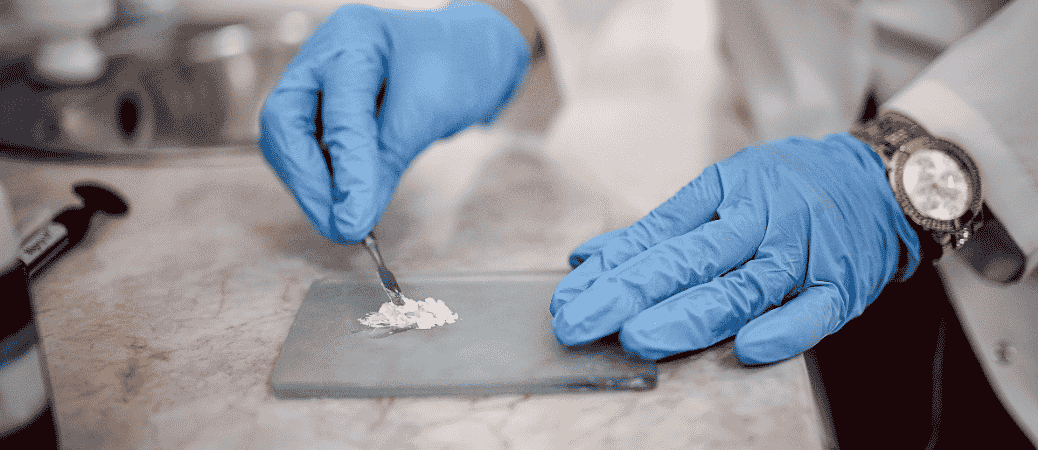
Never use super glue or household adhesives on your dental crown. These products contain chemicals that can harm your gums and tooth structure.
Only use over-the-counter dental cement designed specifically for temporary crown attachment.
These products are safe for your mouth and easy to remove when your dentist needs to work on the crown.
Your dentist uses professional-grade dental cement that is much stronger than temporary options.
This permanent cement creates a tight seal that protects against bacteria and keeps your crown secure for years.
Safe temporary materials include:
- Dental adhesive from pharmacies
- Denture adhesive in small amounts
- Temporary dental cement kits
If you need a permanent crown replacement, your dentist may recommend seeing a prosthodontist for complex cases.
Regular Dental Checkups and Maintenance
Visit your dentist every six months for cleanings and exams. During these visits, your dentist checks your crown for signs of wear, damage, or loosening.
Professional cleanings remove plaque and tartar that can build up around the edges of your crown.
This buildup can lead to decay in the tooth structure underneath if left untreated.
Your dentist will check the fit of your crown and the health of surrounding gums. Early detection of problems means simpler fixes and less chance of losing your crown.
Tell your dentist right away if you notice any changes like sensitivity, pain, or movement in your crown.
Quick action can prevent bigger problems and help your crown last longer. Maintaining good oral hygiene protects both your crown and natural teeth.
Frequently Asked Questions
Losing a crown raises many questions about what to do next and how to handle the situation safely. Here are answers to common concerns about temporary fixes, timing, and warning signs to watch for.
What should I do right away if my dental crown falls out and it doesn’t hurt?
Stay calm and retrieve the crown right away if possible. Rinse your mouth gently with warm water to clean the area.
Remove any loose debris from inside the crown and around your exposed tooth. You can use a toothbrush or rinse to clear away food particles or old cement pieces.
Keep the crown in a safe place where it won’t get lost or damaged. Store it in a small container or plastic bag until you can see your dentist.
Call your dentist as soon as you can to schedule an appointment. Even without pain, the exposed tooth needs protection and your crown needs professional evaluation.
How long is it usually safe to wait before seeing a dentist after a crown comes off?
A dental crown that falls off can usually wait a day or two before you see a dentist. However, you should contact your dentist’s office right away to schedule an appointment.
The sooner you get professional help, the better. Waiting too long increases the risk that your teeth will shift position.
If your teeth move even slightly, your dentist may not be able to recement your original crown. This could mean needing a brand new crown, which costs much more.
Try to see your dentist within a few days at most. If you experience pain, sensitivity, or swelling, you need to be seen even sooner.
Can I put my crown back on myself, and how can I tell if it’s seated properly?
Yes, you can try placing your crown back on your tooth as a temporary solution. First, figure out the correct orientation of the crown and gently slip it over the tooth.
Close your teeth together with absolutely no pressure to check the fit. Your bite should feel exactly like it did before the crown came off.
The crown should not interfere with your bite in any way. If it feels too high or wrong, the crown isn’t seated properly.
Remove any debris that might prevent proper seating. Try rotating the crown to find the right position if it doesn’t feel correct at first.
Never force the crown into place or bite down hard to seat it. This could damage your tooth or the crown itself.
Is it safe to use over-the-counter dental cement or glue to reattach a crown at home?
You can use certain products safely as temporary fixes. Denture adhesive like Fixodent or Poligrip works well and is easy to reverse if needed.
Over-the-counter dental cement is available at pharmacies and can provide a stronger hold than denture adhesive. However, these hard-set products are more difficult to remove and clean off later.
If you use OTC cement, choose a non-eugenol product when possible. The eugenol in some cements might interfere with the permanent cement your dentist will use.
Never use super glue on your crown. This is dangerous and can cause serious damage to your tooth and crown.
Dental cement or denture adhesive can temporarily seal the area until your dentist can repair it properly.
Whatever product you use, bring it with you to your dental appointment so your dentist knows what you’ve applied.
What should I do if my crown fell out and there seems to be little or no tooth left underneath?
Don’t panic if the remaining tooth structure looks very small. Some teeth are naturally filed down quite a bit to make room for the crown.
Keep the area as clean as possible by gently brushing around it. Avoid eating on that side of your mouth to prevent further damage.
You may not be able to reattach the crown yourself if there’s minimal tooth structure. The crown might not stay in place without enough tooth to hold onto.
Contact your dentist immediately for an urgent appointment. Your tooth is very vulnerable without its crown and needs professional attention quickly.
Don’t try to eat sticky or hard foods that could damage the exposed tooth further.
Stick to soft foods on the opposite side of your mouth until you see your dentist.
What does it mean if the tooth under my lost crown looks black, and what should I do until my appointment?
A black appearance might indicate decay that was underneath the crown. It could also be old bonding material or metal staining from the crown.
Sometimes the dark color is simply discoloration from food or drinks. The tooth structure itself may have a grayish or darker appearance naturally after being prepared for a crown.
Call your dentist right away to describe what you’re seeing. They can tell you whether you need an emergency appointment or if you can wait a day or two.
Keep the area clean by gently brushing with a soft toothbrush. Rinse with warm water after eating to remove food particles.
Try to wear your crown as much as safely possible to protect the tooth underneath. Remove it when sleeping or eating to avoid accidentally swallowing it if it falls off again.