


Free consultation dental implants
Basics of implants — strong, natural tooth restoration with a metal post.
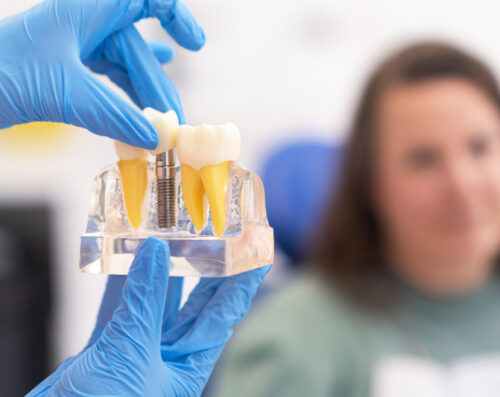
Navigating dental implant options can feel overwhelming, but a free consultation provides a strategic, no-risk opportunity to explore your tooth replacement journey. These insights will help you maximize this crucial first step toward a confident, permanent smile.
- Free Consultations Offer Comprehensive Initial Assessment: Your no-cost visit typically includes a detailed oral examination, medical history review, and personalized treatment discussion, providing a risk-free path to understanding your implant options.
- Candidacy Depends on Multiple Health Factors: Your implant eligibility hinges on bone density, oral health, and systemic conditions. Factors like controlled diabetes, good oral hygiene, and adequate jawbone structure significantly impact your treatment potential.
- Technology Drives Modern Implant Precision: Advanced 3D imaging and AI diagnostics now enable millimeter-precise implant placement, with in-office 3D printing creating custom surgical guides and temporary teeth during your consultation process.
- Total Implant Costs Range Strategically: A single tooth implant averages $3,000-$6,000, with full-arch solutions running $12,000-$40,000. HSA/FSA funds, expanding insurance coverage, and flexible financing make these investments more accessible in 2026.
- Provider Selection Matters More Than Price: Look beyond cost to evaluate credentials, focusing on specialists who place 200+ implants annually, use cutting-edge technology, and can demonstrate long-term patient outcomes.
Understanding these key insights transforms your free consultation from a simple appointment into a strategic planning session for your dental health investment.
Introduction
Nearly 120 million Americans are missing at least one tooth, yet most wait years before exploring replacement options. The cost concerns are real, but what if you could get expert guidance without spending a dollar upfront?
Free dental implant consultations have become the industry standard in 2026, offering you a risk-free opportunity to understand your options and potential costs before making any commitment.
These complimentary assessments typically include a clinical examination, treatment discussion, and preliminary cost estimates. You’ll learn whether you’re a candidate, see what the procedure involves, and get answers to your specific questions—all without opening your wallet.
But “free” doesn’t always mean the same thing at every practice.
Some consultations include advanced 3D imaging, while others charge separately for diagnostic scans. At Arthur Greyf, DDS, FICOI, all imaging needed for your consultation is included in our free consultaion. Understanding these differences before you book can save you from unexpected fees and help you choose the right provider.
This guide walks you through everything that happens during a free consultation, from the moment you schedule to the personalized treatment plan you’ll receive. You’ll discover:
- What’s actually included in a no-cost assessment
- How to prepare for maximum value from your visit
- Questions that reveal true provider expertise
- Technology standards you should expect in 2026
- Cost breakdowns for single implants versus full-arch solutions
Whether you’re considering a single tooth replacement or exploring full-arch restoration, understanding the consultation process puts you in control. You’ll know exactly what to ask, what to expect, and how to evaluate your options with confidence.
The right consultation doesn’t just assess your candidacy—it becomes your roadmap for making an informed decision about your oral health investment.
Read More: Dental Implants: The Gift of a Lifetime for Missing Teeth
Understanding Free Consultation Dental Implants: Core Concepts
A free consultation for dental implants offers a no-cost, no-obligation opportunity to explore your tooth replacement options. This initial assessment is your first step toward a permanent tooth replacement solution that can restore both function and confidence.
Understanding what is truly complimentary helps you make informed decisions from the very first appointment.
What a Typical Consultation Includes
Most appointments follow a structured format that takes 30 minutes, where you may meet with the office staff for a pre-screening and never meet the doctor.
At Arthur Greyf, DDS, FICOI, we offer a free 90 minute in-depth consultation with our doctors. Consultations include a visual exam, dental imaging, and treatment discussion at no charge. You’ll review your medical history and discuss your goals for a healthier smile.
Here’s what’s typically included without cost:
- Initial oral inspection and assessment
- Review of dental and medical history
- Discussion of suitable implant options
- Preliminary timeline and cost estimates
Advanced 3D imaging, such as CBCT scans, are included in the diagnostic exam at Arthur Greyf, DDS, FICOI, but in other offices often requires a separate fee. This technology is crucial for precise implant placement planning. Always confirm what “free” covers in other offices to avoid surprises.
The Strategic Value of the Offer
For you, the free consultation is a risk-free chance to evaluate a dentist’s expertise and technology.
This visit is a critical first step in your journey. You’ll learn if you’re a candidate, understand your specific needs, and explore all options without pressure.
Implant Types You’ll Discuss
Your consultation will identify which solution fits your situation. The discussion often covers several types of dental implants.
Common solutions evaluated include:
- Single Tooth Implants: Replace one missing tooth with an individual post and crown.
- Implant-Supported Bridges: Use 2-3 implants to support multiple replacement teeth.
- Full-Arch Solutions: Replace an entire row of teeth, often discussed as an alternative to traditional dentures.
This initial meeting provides the clarity needed to move forward with a personalized treatment plan for a lasting smile.
What Happens During Your Free Dental Implant Consultation
Walking into a dental implant consultation doesn’t need to feel overwhelming.
Here is exactly what to expect, from reviewing your medical history to seeing a 3D preview of your future smile.
Initial Patient Assessment and Medical History Review
Your visit begins with a thorough review of your health background. This is critical for safe surgical planning.
You’ll discuss:
- Current medications and supplements that affect healing
- The history of your tooth loss and any dental pain
- Lifestyle factors, like smoking, which can impact success rates
Clinical Examination and Diagnostic Imaging
Next, your dentist performs a hands-on clinical exam of your mouth and gums. They then use advanced technology for a precise view beneath the surface.
CBCT scans create a complete 3D map of your jawbone. This reveals the exact bone height, width, and density available for an implant.
Your Personalized Treatment Plan Discussion
The consultation concludes with your customized roadmap. Your dentist will explain all implant options matched to your case, such as single crowns or full-arch solutions.
They’ll detail the proposed timeline, costs, and whether any preliminary procedures are needed. You’ll leave with a clear understanding of your next steps.
Preparing for Your Complimentary Dental Implant Assessment
Walking into your first dental implant consultation can feel overwhelming. But showing up prepared transforms this free visit into a powerful decision-making tool. The right preparation takes about 30 minutes and can save you thousands of dollars in the long run.
Gather Your Essential Documentation
Medical records are your consultation currency. Dentists need complete information to assess your candidacy accurately. To properly prepare for consultation, bring these key items:
- Recent dental X-rays from the past 12 months
- A complete list of all medications and supplements
- Your insurance information and medical history summaries
Many practices email intake forms before your appointment. Filling these out at home saves valuable time and lets you reference your records.
Ask Questions That Reveal True Value
The questions you ask determine the information you get. Smart patients prepare 5-7 specific queries before arriving. Focus on procedure details, provider credentials, and financial transparency.
Write your questions down. You’ll forget half of them once the conversation starts.
Set Realistic Expectations
Most thorough consultations run 45-90 minutes, not a quick sales pitch. Block out your afternoon to avoid rushing this important evaluation.
Bring a trusted friend or family member if possible. They’ll remember details you miss and offer a second perspective. If discussing sedation, arrange transportation home even though no treatment happens today.
Coming prepared signals you’re a serious, informed patient, which helps your dental team provide the best possible guidance for your investment.
Determining Your Candidacy for Dental Implants
Not everyone qualifies for the procedure immediately. Your free consultation for dental implants will reveal if you’re ready or need preparatory work first.
Understanding the eligibility requirements helps set realistic expectations from the start.
Bone Structure and Density Requirements
Your jawbone needs adequate volume for support. Dentists assess the height, width, and quality of available bone.
Standard implants often need at least 10mm of bone height. When density is insufficient, bone grafting can build up the area over several months.
Oral Health Prerequisites
Healthy, infection-free gums are essential. Recent extractions require healing time, typically 3-6 months, before an implant can be placed.
Other key oral health factors include:
- Controlled periodontal disease
- Proper bite alignment
- Good overall oral hygiene
Systemic Health Considerations
Well-managed chronic conditions are often compatible with treatment. For instance, dentists prefer HbA1c levels below 7% for patients with diabetes to ensure proper healing.
Smoking can reduce success rates significantly. Most providers require patients to quit before and after surgery.
Age, Lifestyle, and Behavioral Factors
There are minimum age requirements, but there’s no upper age limit for healthy adults. Dental implants after 60 can be a suitable option for many healthy older adults, depending on bone health, oral health, and overall medical considerations. The most critical factor is your commitment to long-term aftercare.
Your dental implant candidacy depends on a holistic review of all these factors during your consultation, ensuring a treatment plan tailored for your success.
Navigating Dental Implant Costs After Your Free Consultation
Walking out of your free consultation with a treatment plan is just the beginning. The real work starts when you sit down with those numbers.
Understanding what you’re paying for changes everything about how you evaluate options.
Breaking Down Your Investment
Your dental implant cost splits into distinct components that practices itemize differently.
Surgical placement fees cover the actual implant insertion procedure. This typically runs $1,500-$2,500 per implant site in 2026.
The abutment—the connector piece—adds another $300-$500. Your final crown or prosthetic ranges from $1,000-$3,000 depending on materials.
A single tooth implant typically costs $3,000-$6,000 total when combining all components.
Full-Arch and Bridge Economics
Full-arch solutions like All-on-4 cost $15,000-$25,000 per arch in 2026. This price holds remarkably steady across most U.S. regions.
The bridge implants cost creates a strategic middle ground for replacing several adjacent teeth. For example, two implants supporting a three-unit bridge costs $6,000-$12,000—often less than three individual implants.
Navigating Insurance and Accounts
Dental insurance is slowly catching up. Annual maximums climbed to $2,500-$5,000 in 2026, with more plans including implant coverage.
Plans classify implants as either major restorative work (50% coverage) or cosmetic procedures (zero coverage). Your diagnosis code makes the difference.
HSA and FSA funds cover all implant expenses without restriction. Max out contributions during treatment years—$4,150 for individuals in 2026.
Understanding these cost components and financing options turns a daunting quote into a manageable, long-term investment in your health.
Choosing the Right Dental Implant Provider
Your choice of dental implant specialist directly impacts both your immediate experience and long-term success. The right provider combines technical expertise with modern technology and genuine patient care.
This decision deserves careful research beyond just comparing prices.
Credentials That Matter Most
Not all dental professionals have equal training in implant placement. Periodontists specialize in gum health and jawbone procedures, making them natural implant experts.
Oral surgeons bring surgical precision and complex case experience. Prosthodontists excel at the restorative phase—creating natural-looking crowns and bridges.
General dentists with implant certification can handle straightforward cases. Look for providers who’ve completed fellowship programs through the American Academy of Implant Dentistry or similar organizations.
Ask how many implants they place annually—200+ cases yearly indicates real proficiency.
Technology That Improves Your Outcome
Modern implant success relies heavily on digital tools. The best clinics use CAD/CAM systems that design your final restoration with precision.
In-office 3D printing capabilities mean same-day surgical guides and custom abutments. This technology market now exceeds $9.5 billion globally, transforming treatment timelines and accuracy.
CBCT scanning provides detailed 3D bone visualization before your first incision. Guided surgery software maps your implant placement with millimeter precision.
These tools aren’t optional extras—they’re standard care in 2026, and a free consultation dental implants offer is the perfect time to see them in action.
Verification Steps Before Committing
Check actual patient outcomes, not just marketing promises. Request 5-year and 10-year survival statistics for implants placed at that clinic.
Review authentic patient testimonials on independent platforms:
- Google Reviews for recent patient experiences
- Healthgrades for verified treatment outcomes
- RealSelf for before-and-after case photography
Ask about complication protocols and warranty coverage. How does the practice handle infections or implant failures?
Quality providers stand behind their work with clear policies, and a dental implant free consultation allows you to ask these critical questions directly.
The Human Factor in Clinical Excellence
Technical skill matters, but so does communication quality. During your consultation, notice how much time the provider spends explaining your options.
Do they rush through treatment plans
Virtual and Teledentistry Consultation Options
Remote dental assessments have transformed how patients explore implant treatment options without leaving home. This is especially true for a free dental implant consultation, which is now commonly offered as a virtual first step.
Teledentistry usage surged 800% following the pandemic, making these online consultation platforms essential for initial evaluations.
How Remote Assessments Work
Picture this: You’re sitting in your living room, video chatting with a specialist reviewing your X-rays in real-time. That’s the reality of modern teledentistry consultations in 2026.
These sessions use secure, HIPAA-compliant platforms that protect your information while allowing for a remote candidacy assessment. Patients in rural areas or with mobility challenges can now access top specialists without long travel.
What Virtual Consultations Accomplish
Remote assessment appointments cover substantial ground:
- Complete medical and dental history review.
- Analysis of submitted X-rays and photos.
- Discussion of your specific treatment options.
- Preliminary cost and financing discussions.
This technology excels for initial screening and planning conversations, helping you understand if you are a good candidate for dental implants.
Understanding the Limitations
Virtual consultations can’t replace everything. A specialist cannot physically examine your gums or take new 3D scans remotely.
Most practices now use hybrid models—starting with a free remote consultation, then scheduling an in-person visit for final diagnostics and confirmation. This two-step approach saves time while ensuring a thorough evaluation.
Preparing for Your Virtual Visit
Preparation maximizes your remote consultation value:
- Take clear, well-lit photos of your smile.
- Upload any recent dental X-rays in advance.
- List your priority questions before the appointment.
Starting with a virtual consultation typically costs nothing and saves significant time, allowing you to make an informed decision about proceeding with an in-person visit.
Dental Implants vs. Alternative Tooth Replacement Solutions
Your free consultation dental implants visit is the perfect opportunity to compare every option. For a broader look at dental implant replacement essentials, understanding how implants restore missing teeth can help you evaluate the different treatment pathways available. Most patients discover three distinct pathways, each with different long-term impacts on your oral health and finances.
Let’s break down what’s actually at stake.
Traditional Dental Bridges: The Adjacent Tooth Trade-Off
Dental bridges anchor a false tooth to your natural teeth on either side. This requires filing down two healthy teeth to create support pillars.
The reality is you’re sacrificing healthy tooth structure. Bridges typically last 10-15 years before needing replacement.
The upfront cost is appealing, but future replacements add up. Dental implants vs bridges becomes a clearer choice when you consider implants preserve all your remaining teeth.
Removable Dentures: Accessibility vs. Long-Term Health
Complete or partial dentures offer a non-surgical, budget-friendly path. However, they come with significant functional compromises and hidden long-term costs.
Your jawbone shrinks without tooth roots to stimulate it, a process called resorption. This leads to frequent adjustments and replacements.
Key limitations include:
- Reduced chewing efficiency
- Dietary restrictions
- Daily removal and cleaning
The Minimally Invasive Maryland Bridge
For replacing a single front tooth, a conservative Maryland bridge can be a good temporary solution. It uses wings bonded to the backs of adjacent teeth, avoiding the need to grind them down.
This tooth replacement solution is less durable than an implant but preserves more tooth structure than a traditional bridge. It’s often chosen for its balance of aesthetics and conservation.
Understanding these options ensures your choice aligns with your health, lifestyle, and long-term goals for a confident smile.
Latest Trends and Technologies in Dental Implantology 2026
AI Is Transforming Treatment From Start to Finish
AI-powered diagnostics now simulate entire implant procedures before you ever sit in the dental chair. The technology analyzes your bone structure, predicts success rates, and identifies potential complications before surgery begins.
These systems optimize implant positioning automatically for more predictable outcomes.
3D Printing Brings Same-Day Solutions
Picture this: You arrive for your consultation, and your dentist prints your surgical guide while you wait. This is a prime example of the latest technology making treatment faster and more convenient.
Here’s what in-office 3D printing delivers:
- Surgical guides fabricated in under two hours
- Custom abutments designed for your unique gum contours
- Immediate temporary teeth that look natural from day one
Digital Workflows and Market Stability
Fully digital pathways have replaced messy impressions with precise intraoral scanners. Guided surgery protocols use these scans for sub-millimeter accuracy, enabling flapless techniques for faster healing.
Observing the broader dental trends 2026, the market shows remarkable growth while prices stabilize. Full-arch procedures maintain consistent pricing, making advanced care more accessible and budget-friendly for patients.
Maximizing Your Free Consultation Experience
Walking into a free consultation dental implants appointment prepared transforms it from a simple visit into your strategic foundation. The goal is to maximize consultation value, turning that hour into the data you need for a confident decision.
Questions That Reveal True Expertise
Come armed with specifics that expose provider quality and treatment reality. Ask about surgical technique preferences and their annual complication rates.
Request a complete, written cost breakdown to avoid surprises:
- Imaging and diagnostic fees
- Surgical placement charges
- Abutment and crown costs
- Any potential fees for follow-up visits
“The best providers welcome tough questions—their transparency builds trust.” Inquire about the technology they use daily, like 3D printing for guides, which indicates modern standards.
Evaluating the Plan, Not the Pitch
A quality provider presents multiple treatment options with balanced discussions of risks and benefits. High-pressure tactics for same-day commitments are a major red flag.
Getting assessments from 2-3 offices is standard practice. It provides crucial comparison data on approaches, communication styles, and overall comfort.
Your Strategic Next Steps
Verify insurance coverage using the specific diagnostic codes from your consultation, not general estimates. Independently research the surgeon’s credentials through professional associations.
Financial applications often need 1-2 weeks for approval, so begin them immediately if using a payment plan. Most patients decide within 2-4 weeks, using that time for second opinions and final reviews. This deliberate pace protects your long-term investment in a healthy smile.
Regional Considerations: Free Consultations in Melbourne and Beyond
Melbourne’s Specialist Hub
Melbourne hosts Australia’s highest concentration of specialists for dental implants Melbourne residents trust. This density in the CBD and inner suburbs creates a competitive market where free consultations are a standard patient benefit.
All providers must maintain AHPRA registration, ensuring consistent quality and safety standards you can rely on.
Navigating a Competitive Market
This environment means you can confidently compare multiple clinics without financial pressure. Free consultations often include a comprehensive oral exam, initial X-rays, and a detailed treatment plan discussion.
You’ll typically receive clear cost breakdowns, empowering you to make an informed choice.
Access Across Victoria
While Melbourne offers immediate access, teledentistry now bridges the gap for regional patients. Remote initial assessments have grown exponentially, making preliminary consultations accessible from Ballarat to Bendigo.
Many regional patients now combine a virtual screening with a single essential trip to their chosen Melbourne specialist.
When Travel Adds Value
For complex cases, traveling for specific expertise can be worthwhile. If considering dental tourism, always verify the surgeon’s credentials, warranty coverage, and plans for post-operative follow-up.
Material quality and sourcing standards are critical factors to confirm abroad.
Inclusive Care in a Multicultural City
Melbourne’s diversity ensures multilingual support is common. Practices in suburbs like Box Hill or Footscray often offer consultations in Mandarin, Vietnamese, Greek, and other languages.
This cultural sensitivity extends to discussing dietary habits or religious considerations that might affect your treatment timeline or material choices.
Finding the right provider balances clinical expertise with practical factors like communication and accessibility, ensuring support throughout your entire implant journey.
Conclusion
Your free consultation is more than just a cost-saving opportunity—it’s your strategic entry point into permanent tooth replacement that can transform both your smile and your quality of life.
This no-obligation visit gives you everything you need to make an informed decision: expert evaluation, personalized treatment options, transparent cost breakdowns, and answers to every question that matters.
The key is approaching it with intention, not just curiosity.
Your consultation delivers maximum value when you:
- Come prepared with medical records, recent X-rays, and a written list of your specific questions
- Evaluate the provider’s technology and expertise, not just their pricing
- Request detailed cost breakdowns that include imaging, surgery, abutments, and final restorations
- Compare 2-3 providers to understand your full range of options and approaches
- Verify credentials independently through professional associations and patient review platforms
Take action this week. Schedule consultations with at least two qualified providers in your area—or start with a virtual assessment if distance is a barrier.
Bring a trusted friend or family member to help process information and ask follow-up questions you might miss. Most importantly, don’t let decision paralysis delay your evaluation. These consultations cost nothing but can reveal solutions you hadn’t considered.
The investment you make in thorough consultation preparation pays dividends for decades. Every question you ask now prevents surprises later. Every provider you compare sharpens your understanding of quality care.
Your future smile—and the confidence that comes with it—starts with one simple step: booking that first appointment.