


Factors That Affect the Cost of Dental Implants
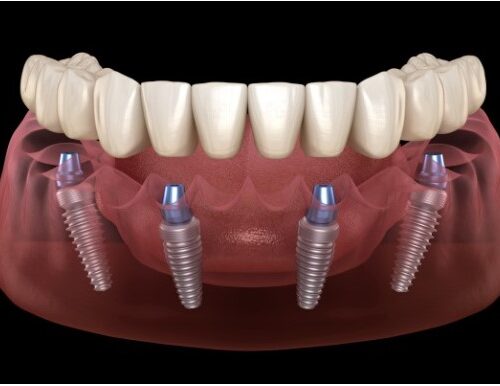
Basics of implants — strong, natural tooth restoration with a metal post.
Understanding the financial landscape of full mouth dental implants is crucial for making an informed healthcare investment. These key takeaways distill the most critical insights to help you navigate this complex decision.
- Full Mouth Dental Implant Costs Range Dramatically, from $40,000 to $100,000 for complete restoration. Geographic location and provider expertise can swing pricing by 30-40%, making research and comparison essential.
- Implant Techniques Directly Impact Pricing, with options like All-on-4 ($18,000-$35,000 per arch) offering more budget-friendly solutions compared to more complex eight-implant systems. Your specific health needs and bone density determine the most appropriate approach.
- Insurance Coverage Remains Extremely Limited, with most plans covering less than 10% of implant costs. Strategic financing options like healthcare credit cards, in-house payment plans, and HSA/FSA accounts can make the investment more manageable.
- Long-Term Value Trumps Upfront Expense, with quality implants effectively costing $2,000-$5,000 annually over a 20-year lifespan. This compares favorably to repeated denture replacements and ongoing bone loss associated with traditional tooth replacement.
- Preparatory Procedures Can Significantly Increase Costs, with bone grafting, sinus lifts, and extractions potentially adding $5,000-$15,000 to your baseline treatment plan. A comprehensive initial consultation helps anticipate these additional expenses.
- Geographic and International Options Offer Savings, with dental tourism potentially reducing costs by 40-60%. However, travelers must carefully calculate total expenses including travel, accommodations, and potential follow-up treatments.
Understanding these key factors transforms full mouth dental implants from an overwhelming expense to a strategic, life-changing healthcare investment.
Introduction
Your dentist just quoted you $75,000 for full mouth dental implants—and suddenly you’re wondering if you heard that correctly.
The sticker shock is real. But here’s what most people don’t realize: that number can swing by $40,000 or more depending on factors you actually control.
The average American facing this decision spends 6-8 weeks researching costs, often finding conflicting information that makes budgeting nearly impossible. One clinic quotes $25,000 per arch while another charges $45,000 for what sounds like the same procedure.
This guide cuts through the confusion with 2026’s actual market pricing, transparent cost breakdowns, and financing strategies that make this investment manageable.
You’ll discover exactly what drives these price variations—from the number of implants you actually need to geographic pricing differences that could save you tens of thousands. We’ll explore everything that affects your bottom line:
- The real cost breakdown by procedure type (All-on-4, All-on-6, and beyond)
- Hidden fees that catch patients off-guard during treatment
- Legitimate ways to reduce costs without compromising safety or results
- Insurance realities and creative financing solutions
Whether you’re comparing quotes, exploring dental tourism, or trying to understand why your neighbor paid half what you were quoted, this comprehensive breakdown gives you the knowledge to make confident financial decisions.
Full mouth dental implants represent one of the largest elective healthcare investments you’ll make—but they’re also the only permanent solution that prevents continued bone loss while restoring complete function.
Understanding the true cost structure, from initial consultation through decades of maintenance, transforms this overwhelming decision into a strategic investment you can actually plan for.
Understanding Full Mouth Dental Implants: Core Concepts and Terminology
Picture this: You’re about to invest tens of thousands of dollars in a dental solution that promises to transform your life. But do you actually know what you’re paying for?
Full mouth dental implants represent one of dentistry’s most comprehensive tooth replacement systems—and understanding the basics can save you both money and confusion.
The Anatomy of a Full Arch System
A full mouth dental implant procedure involves surgically placing titanium implants directly into your jawbone. These metal posts act as artificial tooth roots that anchor your replacement teeth.
Here’s where terminology matters: a “full arch restoration” replaces all teeth in one jaw, while “full mouth restoration” tackles both jaws simultaneously. Most patients need 4-8 implants per arch, which directly impacts your dental implants cost.
Fixed vs. Removable Prosthetics
You have two primary choices for your final teeth. Fixed implants are a permanent solution that stay in your mouth like natural teeth.
Removable options, often called implant-supported dentures, snap on and off the abutments. They are more affordable but offer less stability than a fixed dental bridge anchored to implants.
Decoding the “All-on-X” Approach
The popular “All-on-X” system refers to how many implants support a full dental arch. The number is a key cost factor in your overall treatment.
- All-on-4: Uses four implants per arch (most economical)
- All-on-6: Six implants for increased stability
- All-on-8: Eight implants for maximum support
When This Treatment Is the Right Fit
Full mouth implants become the recommended path when you’re missing most or all teeth. They prevent bone loss and restore full chewing function, making them a superior long-term investment in your health and confidence. Understanding these core concepts ensures you can discuss options and financing options with your dentist knowledgeably.
Full Mouth Dental Implant Procedure Types and Techniques
Picture this: You’re sitting in the consultation chair, and your dentist starts discussing different surgical approaches like “All-on-4” and “zygomatic implants.” These aren’t just buzzwords—they’re distinct techniques that impact your timeline, comfort, and the cost of full mouth dental implants.
The method your provider selects determines everything from your appointment schedule to whether you leave with teeth the same day.
All-on-4: The Strategic Standard
The All-on-4 system revolutionized full mouth restoration by using just four strategically placed implants per arch. This approach is a leading full mouth dental implant solution for many patients.
Key features include:
- Two front implants placed straight into the jawbone
- Two rear implants angled to maximize bone contact and avoid sinuses
- Potential for immediate loading and same-day teeth
- Ideal for patients with moderate bone density
Current pricing for All-on-4 ranges from $18,000 to $35,000 per arch, with location and materials causing most variation. The angled placement often avoids the need for bone grafting.
Considering More Implants: All-on-6 and All-on-8
Surgeons may recommend six or eight implants per arch for specific reasons. This is a common full mouth dental implant procedure for those needing extra support.
Additional implants are considered for:
- Poor bone quality requiring better load distribution
- Heavy bite force from grinding or clenching
- A patient’s desire for maximum long-term stability
While adding $5,000 to $12,000 per arch, more implants can improve success rates and reduce stress on the final prosthesis over decades of use.
Zygomatic Implants for Severe Bone Loss
For patients with significant bone loss in the upper jaw, zygomatic implants offer an advanced alternative. These longer implants anchor into the cheekbone, completely bypassing the deteriorated jaw. This technique can be a cost-effective full mouth dental implant strategy by eliminating the need for extensive, multi-stage bone grafting procedures.
Choosing the right technique balances clinical needs with financial investment, directly influencing your treatment journey and long-term outcome.
Comprehensive Cost Breakdown: Investment Components
Understanding where your money goes helps you make an informed decision. The total cost breaks down into five distinct phases, each contributing essential value to your final, restored smile.
Let’s examine each component and what drives the pricing.
Pre-Surgical and Diagnostic Phase
Your journey begins with comprehensive planning. 3D CBCT scans provide the detailed bone maps that guide precise, safe placement.
Diagnostic expenses typically include:
- Complete oral examination
- Cone beam CT imaging
- Digital impressions and models
- Treatment plan development
Expect to invest $300–$1,500 in this foundational phase.
Surgical Procedure Expenses
This phase is often the largest single investment. The surgeon’s skill and experience are critical implant cost factors that directly impact long-term success.
Key surgical expenses cover:
- Specialist professional fees
- Anesthesia and facility charges
- Surgical kits and equipment
Geographic location creates significant variation, with urban specialists often charging more.
Implant Materials and Hardware
The actual implants and components vary in quality and price. Premium European brands command higher prices than some alternatives.
Your material investment per arch ranges from $3,000–$8,000 based on:
- Impost brand reputation and warranty
- Custom versus stock abutments
- Material choice (titanium or zirconia)
Prosthetic and Laboratory Fees
Your visible teeth require skilled craftsmanship. Digital fabrication is revolutionizing this process, improving precision.
Prosthetic components cost $5,000–$15,000 per arch and include:
- Temporary prosthesis during healing
- Final restoration design and fabrication
- Material upgrades (e.g., layered zirconia)
The total investment reflects the combined value of precise planning, expert surgery, quality materials, and custom artistry.
Primary Factors Influencing Full Mouth Implant Costs
Understanding factors affecting cost helps you budget accurately and spot fair pricing. The same procedure can vary by $30,000 or more depending on key variables.
Let’s break down exactly what drives these price variations.
Geographic and Market-Based Pricing Differences
Where you get treatment matters significantly. Urban coastal areas charge 30-40% more than Midwestern or rural locations for identical procedures.
A full arch restoration in Manhattan might cost $35,000, while the same treatment in Nebraska runs $22,000. Regional cost of living directly impacts professional fees and facility overhead.
Provider Expertise and Specialization Level
Your provider’s credentials directly influence pricing. The cost of full mouth dental implants reflects their training and experience level.
Here’s the typical hierarchy:
- General dentists: $18,000-$25,000 per arch
- Periodontists: $22,000-$30,000 per arch
- Oral surgeons: $25,000-$35,000 per arch
High-volume practices achieve economies of scale that translate to patient savings.
Case Complexity and Pre-Existing Conditions
Your individual anatomy determines final costs significantly. Simple cases with adequate bone and healthy gums stay at the lower price range.
Complex situations requiring preparatory work add $5,000-$15,000 to baseline estimates. This includes poor bone quality, medical conditions requiring special precautions, or severe gum disease.
Material Selection and Quality Tiers
Implant brands aren’t created equal. Premium European manufacturers command higher prices for their research-backed systems. The average cost of full mouth dental implants typically reflects the use of these major, reputable brands.
Your final price is a composite of location, provider skill, personal health needs, and material choice.
Additional Procedures and Their Cost Impact
Picture this: You’re ready for full mouth dental implants, but your dentist mentions you need “a little prep work first.” That simple phrase can add thousands to your final bill.
Understanding these add-on procedures before treatment starts protects you from budget surprises and helps you plan realistically. The average cost of full mouth dental implants is just the starting point, as these foundational treatments are often necessary.
Bone Grafting Requirements and Variations
Not everyone has enough jawbone density to support implants immediately. Years of tooth loss cause bone to deteriorate—sometimes dramatically.
Bone grafting rebuilds this foundation using several approaches, which impacts the cost of full mouth dental implants in 2026:
- Socket preservation: Small grafts placed right after tooth extraction.
- Block grafts: For significant bone deficiency.
- Minor grafting: Added during implant placement surgery.
Bone graft costs range from $500 to $3,000 per site, depending on technique and material.
Sinus Lifts and Extractions
For the upper arch, insufficient bone below the sinus may require a lift procedure, costing $1,500 to $5,000 per side.
Remaining teeth must often be extracted. Full mouth extraction packages usually offer better value than per-tooth pricing, with simple extractions costing $150-$400 each.
Essential Soft Tissue Management
Healthy gums are critical for long-term success and aesthetics. You might need soft tissue grafts to build gum volume around future implants. Full mouth dental implants cost must account for these steps to ensure a stable, natural-looking result.
These preparatory procedures are a key reason costs vary, making a detailed consultation essential for an accurate estimate.
Current Market Pricing: 2026 Cost Ranges and Benchmarks
Single Arch Investment Reality
Standard All-on-4 or All-on-6 systems range from $18,000 to $35,000 per arch, with the final cost in 2026 depending heavily on your location and provider choices.
High-competition urban markets and corporate dental chains can push pricing toward the lower end. The upper range reflects premium implant brands and specialists with advanced surgical credentials.
Full Mouth Treatment Totals
Treating both arches typically runs $40,000 to $100,000 for complete mouth restoration. The baseline $40,000-$60,000 range covers straightforward cases with good bone quality.
Complex cases with extensive grafting or premium materials approach six figures. Many practices offer significant volume discounts for committing to both arches at once.
Budget-Friendly Alternatives
Snap-on implant dentures offer the most accessible entry point, with an average cost of $8,109 per arch. These removable options use fewer implants, creating substantial savings.
Key trade-offs to understand include:
- Removable daily for cleaning
- Less natural biting force than fixed bridges
- Continued gradual bone loss
Premium Treatment Experiences
High-end providers may charge $60,000-$120,000+ per full mouth case. This premium cost in 2026 secures top-tier materials, renowned specialists, and comprehensive, long-term warranty packages.
This investment tier is defined by advanced techniques and a focus on ultimate aesthetics and function.
Insurance Coverage, Medicare, and Medicaid Limitations
Picture this: you’re ready to transform your smile, but then reality hits. Less than 10% of traditional dental insurance plans offer substantial coverage for dental implants, creating one of the biggest financial surprises patients face.
The Harsh Reality of Dental Insurance
Most policies treat implants as cosmetic, not a medical necessity. Even with “major restorative” benefits, coverage is typically 50% with a low annual maximum.
Annual maximum limitations cap coverage at $1,000–$2,000, a small dent in a $20,000+ procedure. Pre-authorization is complex, with claims often denied for “lack of medical necessity.”
Medicare and Medicaid Coverage Gaps
Medicare explicitly excludes routine dental care, including implants, under Parts A and B. The only exception is hospital-based surgery for trauma or disease.
For Medicaid, coverage varies wildly by state. Medicaid coverage for dental implants exists in fewer than 15 states, with strict medical and financial eligibility hurdles.
Navigating Your Payment Options
The financial burden of full mouth dental implants is significant, but strategic planning helps. IRS guidelines classify dental implants as qualified medical expenses, allowing you to use tax-advantaged accounts.
Using a Health Savings Account (HSA) or Flexible Spending Account (FSA) for implants can provide substantial tax savings, making the total investment more manageable.
Financing Solutions and Payment Strategies
Picture this: You’ve decided full mouth dental implants will transform your life, but the $40,000-$100,000 price tag feels overwhelming. The good news? Multiple financing pathways exist to make this investment manageable without draining your savings account overnight.
Let’s break down your realistic options for spreading costs across months or years instead of paying everything upfront.
Healthcare Credit Cards Transform Large Bills
CareCredit dominates the dental financing landscape with promotional periods that change everything. You can secure 6-24 months of interest-free financing if you qualify, making it a popular dental implant financing option.
Here’s what that looks like in practice:
- $30,000 procedure with 18-month promotional financing = $1,667 monthly payments with zero interest
- Miss the payoff deadline? Deferred interest hits your entire balance retroactively
- Standard APR rates jump to 17.90-26.99% after promotional periods end
Direct Practice Payment Plans Skip Third Parties
Many dental offices provide in-house financing that bypasses credit card companies entirely. This approach offers flexibility traditional lenders can’t match.
Expect these typical arrangements:
- 20-30% down payment requirement
- 12-36 month payment schedules with fixed monthly amounts
- Interest rates of 0-12% or flat administrative fees
- Treatment begins immediately regardless of payment completion
Traditional Loans and Savings Plans
Homeowners can access home equity lines of credit with rates currently averaging 8.5-11%. For those without home equity, dental savings plans aren’t insurance—they’re membership programs negotiating 10-60% discounts directly with providers to lower your upfront cost.
Personal loans from banks or credit unions offer another path, with fixed APRs and 2-7 year terms. Exploring all these strategies helps you find the right payment plan for dental implants for your budget and timeline.
Geographic Cost Variations: Regional and International Considerations
Picture discovering the price for full mouth dental implants can swing by $30,000 based purely on your zip code. Your final investment is dramatically shaped by cost by location, creating both challenges and strategic opportunities.
U.S. Regional Price Disparities
Northeast and West Coast cities command premium pricing. Expect costs 30-50% above national averages in markets like New York or San Francisco.
Midwest and Southern states often provide moderate pricing zones. Lower overhead here translates to more accessible patient savings.
The Dental Tourism Landscape
International clinics attract patients with significant upfront savings. Popular destinations include:
- Costa Rica & Mexico: Established hubs offering 40-60% savings below U.S. prices.
- Colombia: An emerging sector with European-trained specialists.
- Hungary & Poland: Eastern European centers known for high-quality care at a fraction of the cost.
Calculating the True Expense Abroad
The quoted treatment price is just the starting point. You must factor in round-trip airfare, accommodations, and multiple required visits.
Total expenses with travel typically range $15,000–$35,000 for full mouth treatment. This remains a saving, but it’s less dramatic than initial comparisons suggest.
Navigating Safety and Logistics
Regulatory and safety standards vary dramatically by country. Language barriers can also complicate crucial communication about expectations and care.
While geographic variations present clear financial opportunities, the true cost encompasses quality, convenience, and peace of mind alongside the price tag.
Long-Term Value Proposition and Total Cost of Ownership
Picture making a $50,000 investment today that transforms your daily life for the next 20+ years. That’s the financial reality of full mouth dental implants when you calculate the actual long-term value.
Expected Lifespan and Success Rates
Implant fixtures themselves can last a lifetime with proper care—many patients never need the titanium posts replaced after initial placement. The prosthetic restoration (the visible teeth) typically requires refabrication after 10-15 years due to normal wear.
All-on-4 and All-on-6 systems demonstrate 95%+ success rates at 10 years when placed by experienced surgeons. Your individual longevity depends on three critical factors:
- Daily oral hygiene commitment
- Bite forces and teeth grinding
- Systemic health conditions
Breaking Down the Real Costs Over Time
The initial $40,000-$100,000 investment for full mouth restoration translates to $2,000-$5,000 per year over a 20-year lifespan. This is the true cost of full mouth dental implants when viewed as a multi-decade solution.
Compare that to traditional dentures requiring replacement every 5-7 years. Over two decades, you’ll purchase dentures 3-4 times, totaling $7,500-$20,000—plus hidden costs.
The Hidden Denture Expenses
Without implants, your jawbone continues shrinking year after year. This irreversible bone loss means each new denture fits worse than the last, requiring frequent professional relines.
You’ll need these relines every 1-2 years ($300-$500 each) just to maintain basic function. That’s another $3,000-$5,000 over 20 years not included in replacement costs.
Annual Maintenance Investment
Budget $300-$800 yearly for professional maintenance of your implants. This includes specialized cleanings, adjustments, and minor component replacements that protect your long-term investment.
These costs prevent expensive problems—similar to regular car maintenance preventing engine failure. Restored chewing efficiency improves nutrition and digestion, contributing to better overall health that’s difficult to price.
The upfront investment in full mouth dental implants is significant, but its value becomes clear when measured against decades of improved function, health, and predictable costs.
Cost Reduction Strategies Without Compromising Safety
Picture this: You’re researching full mouth dental implants and feeling overwhelmed by six-figure price tags. The good news? Strategic approaches can save you $15,000-$30,000 without sacrificing quality or safety.
Let’s explore legitimate ways to reduce your investment while maintaining excellent outcomes.
Dental School Programs Deliver Serious Savings
Accredited dental schools offer supervised implant treatment at 30-50% below private practice rates. Advanced residents perform procedures under direct faculty oversight.
This model provides meticulous care using evidence-based protocols. The primary cost savings come from the educational setting, though appointments may take longer.
Phased Treatment Spreads Financial Impact
Start with your most visible arch first—typically the upper jaw. Complete the second arch 6-12 months later when finances allow.
This smart phasing offers clear advantages:
- Spreads payment obligations across two budget cycles
- Allows annual insurance benefits to renew for maximum use
- Provides immediate functional improvement where needed most
Value-Conscious Material Choices
Premium European brands often charge for name recognition. Mid-tier manufacturers with 15+ year track records deliver comparable long-term success rates.
Consider these effective alternatives:
- Hybrid prosthetics versus all-ceramic restorations
- Stock abutments instead of custom-milled components
- Reputable domestic implant systems
These material decisions can create $3,000-$7,000 in savings per arch without compromising clinical outcomes for most patients.
Negotiate with Package Pricing
Request itemized estimates from multiple providers. Use competitive quotes to negotiate volume discounts for treating both arches simultaneously.
Always ask about all-inclusive package pricing versus à la carte billing. Many practices also offer discounts for cash payments, which can add up significantly on a large treatment plan.
Hidden Costs and Budget Planning Considerations
A quoted price for full mouth dental implants rarely reflects the final total cost. Hidden fees can add $2,000 to $5,000 or more, turning a planned budget into a financial strain without proper foresight.
Diagnostic & Preparatory Fees
Essential first steps often come with separate charges.
A comprehensive CBCT scan ($300–$600) is crucial for 3D surgical planning. Digital impressions and diagnostic models add another $200–$400. Furthermore, the cost for temporary teeth needed during healing isn’t always included in the initial quote.
Anesthesia & Complication Contingencies
Your comfort and safety carry potential add-ons.
Many quotes assume only local anesthesia. IV sedation for comfort typically adds $500–$1,200. It’s also vital to plan for the unexpected, as managing complications like infection or an implant needing replacement falls outside standard pricing.
The Overlooked Indirect Expenses
Your financial investment extends far beyond the dental chair.
Consider the ripple effect on your daily life:
- Lost wages from taking 8–15+ hours off work for appointments
- Travel, hotel, and meal costs if seeing a specialist
- Childcare or pet care during treatment days
Indirect costs often range from $1,000 to $3,000, a significant factor often omitted from initial estimates. True budget planning requires adding these layers to the base surgical quote.
Decision Framework: Is Full Mouth Implant Investment Right for You?
Picture this: you’re holding a treatment plan that could change how you eat, smile, and interact with the world. But the price tag feels significant.
Making this decision isn’t just about money—it’s about aligning your health needs, financial reality, and life goals. A full mouth dental implant cost breakdown reveals the true investment, which is often the biggest elective healthcare expense you’ll face.
Evaluating Your Medical Candidacy
Your body must support the implants for long-term success. Adequate jawbone density is the critical foundation. Years of tooth loss can erode bone, potentially requiring grafting that adds thousands to your total.
Your overall health status is a primary factor:
- Uncontrolled diabetes can slow healing
- Certain medications may complicate the process
- Active smoking reduces success rates
Assessing Financial Readiness
Understanding the cost of full mouth dental implants means looking beyond the total. Can you manage monthly payments of $300-$800 for 5-7 years without straining your finances?
Consider these key points:
- Current savings and available credit
- Impact on other financial goals
- Your household’s stable cash flow
The median U.S. household would dedicate a significant portion of annual income to this restoration. It’s a major commitment that requires careful dental implant financing planning.
Understanding Lifestyle Impact
What are you getting for this investment? If missing teeth affect your nutrition, confidence, or social life, full mouth implants typically deliver over 90% satisfaction rates.
The process requires months of appointments and temporary dietary changes. Your schedule and support system must accommodate this commitment. The decision becomes clear when you weigh the profound lifestyle improvement against the investment required.
Frequently Asked Questions: Full Mouth Dental Implants Cost 2026
What is the exact cost range for full mouth dental implants in 2026?
Per arch treatment typically runs $18,000-$35,000. Full mouth restoration for both arches ranges from $40,000-$100,000.
Budget-friendly snap-on dentures cost $5,705-$12,956 per arch. Premium, same-day reconstructions can exceed $120,000.
Are there legitimate $20,000 full mouth dental implant options?
Yes, lower-cost per-arch treatment is possible in competitive markets. Significant savings often come from these pathways:
- Dental school programs with supervised care
- High-volume, streamlined practices
- International dental tourism
- Snap-on denture systems using fewer implants
How much does insurance typically cover?
Most plans provide minimal or no implant coverage, categorizing them as cosmetic. Annual maximums of $1,000-$2,000 barely dent the total cost.
Medicare excludes routine implants. Medicaid offers restricted coverage in fewer than 15 states.
Do payment plans make implants more affordable?
Third-party financing through CareCredit offers promotional 0% interest for 6-24 months. Extended plans stretch payments over 3-5 years.
Many practices provide in-house financing with a 20-30% down payment. This FAQ section aims to clarify these common financial questions.
Exploring all payment options is crucial for managing a major investment in your oral health.
Conclusion
The journey to full mouth dental implants in 2026 represents more than a financial transaction—it’s an investment in decades of restored confidence, nutrition, and quality of life.
Armed with realistic cost expectations and strategic planning tools, you can transform what feels like an overwhelming expense into a manageable, life-changing decision.
The numbers tell a clear story: expect $18,000-$35,000 per arch for standard treatment, with full mouth restoration ranging from $40,000-$100,000. But understanding the complete picture—from hidden fees to financing strategies—puts you firmly in control.
Your action plan starts today:
- Request itemized estimates from 3-4 providers to compare pricing and identify the best value for your situation
- Explore all financing options simultaneously—dental school programs, in-house payment plans, CareCredit promotional periods, and HSA/FSA tax advantages
- Factor in preparatory procedures like bone grafting to avoid budget surprises during treatment
- Calculate the 20-year cost of ownership to see the true value versus traditional dentures
- Consider phased treatment to spread costs across multiple budget cycles while maximizing insurance benefits
Your smile deserves strategic planning, not just wishful thinking. Start with comprehensive consultations that include 3D imaging and complete cost breakdowns. Ask about volume discounts for treating both arches, cash payment incentives, and guaranteed pricing that protects you from mid-treatment surprises.
The investment you make today pays dividends in every meal you enjoy, every conversation you have, and every moment you smile without hesitation.
Your transformation begins with that first consultation call—make it this week.