


Denture and dental services
Basics of implants — strong, natural tooth restoration with a metal post.
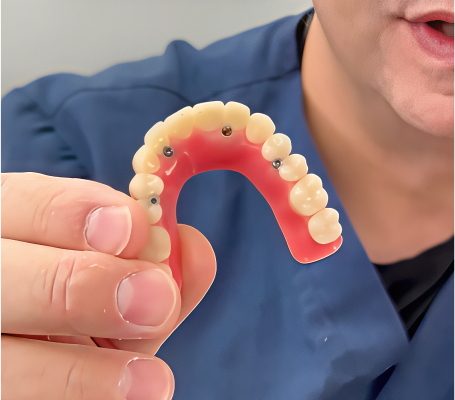
Navigating denture costs in 2026 requires understanding multiple price drivers and payment strategies to make confident decisions. This guide reveals the actual pricing landscape—from material choices to geographic differences—and shows you how to maximize value while protecting your budget.
- Traditional full dentures range from $1,500 to $3,650, while premium options climb to $5,000–$12,400 based on materials and customization—understanding these baseline costs helps you evaluate quotes realistically.
- Geography dramatically impacts pricing, with San Antonio residents seeing $1,421–$1,944 quotes while major metro areas charge 30-50% above the national average due to overhead and market demand.
- Calculate annual cost, not just upfront price—budget dentures at $2,000 lasting 4 years cost $500 yearly, while $4,500 premium dentures over 8 years cost only $563 per year with better fit retention.
- Most dental insurance covers 50% of denture costs as major services, but annual maximums capping at $1,000–$1,500 mean you’ll likely pay at least half out-of-pocket after deductibles.
- Request itemized treatment plans in writing before any work begins—transparent providers break down procedure fees, lab costs, and follow-up appointments to prevent surprise billing after treatment starts.
- Dental school clinics can save 40-60% compared to private practices, while third-party financing like CareCredit offers 0% APR promotional periods to spread costs over 6-24 months.
- Immediate dentures add 15-30% to base costs but eliminate the waiting period without teeth, though expect multiple adjustments over 3-6 months as your mouth heals.
Dive into the complete guide to discover how manufacturing advances, maintenance expenses, and strategic timing can further optimize your denture investment for long-term value.
Introduction
Most people dramatically underestimate what they’ll actually pay for dentures until they’re sitting in a dental office facing sticker shock.
Full denture sets now range from $1,500 to $12,400 depending on materials, location, and the level of customization you choose. That’s not a typo—the price gap really is that wide.
The challenge isn’t just the upfront cost. It’s understanding why two dental offices quote you vastly different prices for what seems like the same service.
Hidden factors drive your final bill in ways most patients never anticipate. Geographic location alone can swing costs by 30-50%. The type of materials used, whether your dentist uses traditional methods or digital technology, and even your insurance coverage details all create pricing variations that catch people off guard.
Here’s what makes budgeting even trickier: most dental insurance caps annual benefits at $1,000-$1,500, leaving significant out-of-pocket expenses for procedures that cost several thousand dollars.
This means you need multiple strategies working together—understanding true costs, maximizing insurance benefits, exploring financing options, and knowing where quality actually matters versus where you can safely economize.
This pricing guide breaks down:
- Real-world cost ranges for different denture types and materials
- How location, provider type, and treatment complexity affect your bill
- Insurance coverage mechanics and how to maximize benefits
- Financing solutions that make treatment accessible without draining savings
- Long-term value calculations that reveal the true cost per year
Whether you’re researching options for the first time or comparing quotes from different providers, understanding these pricing fundamentals protects you from overpaying while ensuring you get quality care that lasts.
Let’s examine exactly what drives denture costs and how you can make informed decisions that balance your budget with your oral health needs.
Understanding Denture and Dental Service Costs in 2026
The financial landscape for denture services has shifted significantly, with traditional full dentures ranging from $1,500 to $3,650 for standard sets. Premium options climb to $5,000–$12,400, reflecting advances in materials and customization.
Geography dramatically affects what you’ll pay. San Antonio residents typically see quotes between $1,421 and $1,944, while major metro areas often command higher rates due to overhead costs and market demand.
What Drives Your Final Bill
Understanding denture costs means looking beyond the sticker price. This pricing guide breaks down every factor affecting your dental investment—from material selection to provider expertise.
Key pricing factors include:
- Material quality (acrylic, porcelain, composite blends)
- Manufacturing methods (traditional lab work vs. CAD/CAM technology)
- Provider type (corporate chains, independent practices, dental schools)
- Geographic location and local market competition
Modern Manufacturing Affects Your Investment
CAD/CAM technology and 3D printing are reshaping how dentures are made—and priced. These digital workflows often increase upfront costs but can reduce adjustment visits and improve long-term fit.
Custom-fabricated dentures typically cost 25-40% more than standard options, reflecting the precision and time required for personalized design. This is a key part of the comprehensive guide to dentures & dental services 2026, which details how modern techniques impact value.
Service Type Dramatically Changes Cost
Partial dentures start at lower price points than complete sets. Immediate dentures, placed the same day as tooth extraction, typically add 15-30% to the base cost but eliminate the waiting period without teeth.
Implant-supported options represent the premium tier, often ranging from $15,000 to $30,000 per arch due to surgical requirements and specialized components.
Maintenance services add ongoing expenses:
- Annual relines: $300–$500
- Repairs: $150–$400 depending on damage
- Rebase procedures: $450–$650
Transparent pricing builds trust and enables confident decision-making. Knowing these baseline costs helps you evaluate denture service quotes and budget realistically for your specific needs and timeline.
Comprehensive Breakdown of Denture Pricing Factors
Multiple variables determine your final denture investment. Understanding each element helps you make strategic choices that balance quality with affordability.
Material Quality and Construction
Standard acrylic dentures use basic resin materials that last 3-5 years. Premium materials deliver noticeable upgrades and a longer lifespan.
The denture type you choose—like a flexible partial or full conventional set—directly influences material options and cost. Upgrades typically add 15-40% to baseline costs but last 7-10 years.
Key material choices include:
- High-impact resins for fracture resistance
- Porcelain teeth for superior aesthetics
- Flexible frameworks for improved comfort
How Location Affects Cost
Your geographic area is a primary driver of price. Major metropolitan regions have significantly higher overhead than rural locations.
For example, dentures in San Antonio, Texas may range $1,421-$1,944, while urban coastal markets can be 30-50% above the national average.
Provider Type and Treatment Complexity
Where you get treatment creates substantial cost differences. Dental school clinics can save 40-60%, while independent specialists charge premium rates for personalized care.
Pre-treatment needs also impact your total investment:
- Extractions ($75-$300 per tooth)
- Bone recontouring ($200-$600)
- Diagnostic scans and multiple fitting appointments
Specialist involvement, like seeing a prosthodontist, typically adds 20-40% to the cost but brings advanced expertise for complex cases. Your final price reflects this combination of location, materials, and clinical needs.
Dental Insurance Coverage for Dentures and Related Services
Most dental insurance plans classify dentures as major services, covering about 50% of costs after your deductible. Understanding your specific plan is the first step to managing expenses.
How Coverage Typically Works
Annual maximums usually cap at $1,000–$1,500. If your dentures cost $3,000, you’ll likely pay at least $1,500 out-of-pocket after the 50% coinsurance.
Your explanation of benefits (EOB) details the financial terms that determine your final cost. Reviewing it helps you explore all available insurance options before committing to treatment.
Key Terms to Know
Decoding your plan is easier when you understand a few key concepts:
- Deductible: What you pay before coverage starts.
- Coinsurance: Your share of the cost after the deductible.
- Annual Maximum: The yearly coverage limit.
- Waiting Periods: The 6–12 month delay before major service coverage begins on new policies.
Maximizing Your Plan’s Network
Major carriers like Delta Dental or Humana use PPO networks. Staying in-network provides pre-negotiated discounts and simpler billing.
Always request a pre-treatment cost estimate from your insurer. This formal quote confirms your coverage and prevents surprise bills, offering crucial financial clarity.
Alternatives to Traditional Insurance
Traditional Medicare doesn’t cover dentures, but some Medicare Advantage plans do. Medicaid benefits vary drastically by state.
For those without standard insurance, dental discount plans offer an alternative path to savings. They feature no waiting periods and provide immediate access to reduced fees for a yearly membership cost.
Financing Solutions and Payment Strategies
Paying for dentures doesn’t require draining your savings. Multiple financing solutions exist to spread costs over time, making quality care accessible.
Providers often partner with third-party financing companies for flexible arrangements. Always compare the total financed cost against potential upfront payment discounts.
Healthcare Credit Cards and Plans
CareCredit leads the healthcare financing market with promotional periods. These plans can make dental implants more affordable by breaking down the total into manageable payments.
Promotional periods range from 6-24 months at 0% APR. Be aware of deferred interest; unpaid balances after the term can trigger high retroactive charges.
Direct and In-House Payment Options
Many dental offices offer in-house payment plans without third parties. These typically require a down payment, with the balance split over several months.
Some practices provide interest-free plans to help patients. It’s a good idea to ask your dentist directly about all available financial options during your consultation.
Tax-Advantaged and Alternative Funding
Health Savings Accounts (HSAs) and Flexible Spending Accounts (FSAs) use pre-tax dollars for procedures. This creates significant savings, effectively reducing your final cost.
- Personal loans from credit unions often have lower rates than credit cards.
- Dental grant programs assist qualified low-income patients through non-profit networks.
- Dental savings plans offer an alternative to insurance, providing member discounts on treatments.
Exploring all avenues ensures you find a payment plan for dentures that aligns with your budget. The right strategy turns a major investment into a manageable monthly expense.
Maximizing Value: Cost-Benefit Analysis and Decision Framework
Picture this: You invest $2,000 in budget dentures that need replacing in three years. Meanwhile, $4,500 premium dentures last eight years with minimal maintenance.
The real cost per year tells a different story than the initial price tag.
Calculate Your True Denture Investment
Most patients focus solely on upfront costs. That’s a costly mistake. True value optimization requires looking at the long-term annual expense.
Economy dentures typically last 3-5 years. Premium versions deliver 7-10 years of reliable service with better fit retention.
Do the math for an informed decision:
- Budget option: $2,000 ÷ 4 years = $500 per year
- Premium choice: $4,500 ÷ 8 years = $563 per year
Annual maintenance adds 5-15% to these calculations, often higher for budget models.
Recognize Quality Before You Buy
Fit precision matters more than any other factor. Your dentures should feel stable from the first fitting.
Red flags that signal poor value include:
- More than 3-4 adjustment appointments in the first month
- Persistent sore spots after the break-in period
- Visible gaps between the denture and gums
Prosthodontists complete 3+ additional years of specialized training, which translates to better long-term outcomes.
Make Strategic Treatment Decisions
Match your investment to your actual needs and timeline for the best value.
Premium dentures make sense when:
- You’re under 60 with decades of use ahead
- Your lifestyle demands confident social interaction
- Budget allows for superior comfort and aesthetics
Economy options work for:
- Immediate temporary solutions while healing
- Documented financial hardship situations
- A trial period before committing to implants
Get 2-3 consultations to compare provider expertise and technology, not just price. This research is key to making informed decisions you won’t regret.
Special Circumstances and Scenario Planning
Life doesn’t always follow the standard denture timeline. Planning for special situations ensures you can balance cost, quality, and timing when it matters most.
Understanding your options in these unique scenarios helps you make smart decisions, even under pressure.
When You Need Dentures Immediately
Immediate dentures are placed the same day your teeth are extracted. You leave with a complete smile, but this convenience costs 15-30% more.
Expect multiple adjustments over 3-6 months as you heal. Many patients need a reline or a new denture within the first year.
Emergency Options Worth Knowing
Dental trauma creates urgent needs. For true emergencies, emergency dentures or temporary appliances can provide a crucial stopgap.
Consider these affordable interim solutions:
- Flipper appliances ($300-500) fill gaps while you heal.
- Rush laboratory services (3-5 days) for a higher fee.
- Emergency extractions ($150-400 per tooth) are often the first step.
Navigating Financial & Health Complexities
For financial hardship, dental school clinics and sliding-scale health centers offer substantial savings. For complex health situations, like diabetes, additional procedures such as bone grafting ($250-1,200 per site) may be needed for long-term success.
Phased treatment plans for solutions like implant-supported dentures can make premium care more accessible by spreading costs over time.
Cost Transparency and Provider Selection Criteria
Finding a dentist who provides clear, upfront pricing prevents billing surprises and protects your budget. Transparent pricing disclosure separates trustworthy providers from those who may add unexpected charges after treatment begins. Your financial protection starts with getting everything in writing before any work begins.
Getting a Complete Treatment Estimate
Always request a detailed, itemized treatment plan that breaks down every anticipated cost. This is a fundamental part of ethical dental pricing that every reputable practice follows.
Your written estimate must include:
- Individual procedure fees
- Laboratory fees for denture fabrication
- Material costs and custom options
- All follow-up adjustment appointments
Insurance verification results should show your exact out-of-pocket responsibility, not rough estimates. Ask specific questions about the cost of dental services to avoid misunderstandings, including what is due and when.
Identifying Potential Red Flags
Watch for warning signs during consultations that suggest future billing problems.
Concerning behaviors include:
- Refusing to provide written cost breakdowns
- Pressure to start treatment before reviewing finances
- Vague answers about insurance coverage
Smart shoppers compare provider selection criteria across multiple offices, as quotes can vary significantly. Understanding the denture cost breakdown is essential for an accurate comparison.
Protecting Your Financial Rights
Understand every financial consent form before signing, as it outlines your obligations. Keep detailed records of all estimates, insurance communications, and receipts.
If unexpected charges appear, request an itemized explanation immediately. State dental boards handle complaints about billing practices that violate standards, ensuring cost transparency protects everyone involved.
Staying Current: Monitoring Dental Cost Trends
Dental prices shift year after year. Staying informed about cost trends helps you budget accurately and time treatments strategically.
Healthcare Inflation Outpaces General Prices
Dental costs typically rise faster than everyday expenses. This means a denture set costing $2,500 a few years ago might cost significantly more today.
Labor shortages and material supply issues continue to drive costs higher across the industry.
Insurance Benefits Struggle to Keep Pace
A key frustration is that annual maximum benefits have remained stagnant for decades. What once covered a full procedure now barely covers half.
This gap makes understanding your dental insurance coverage more critical than ever for financial planning.
Technology and Market Forces at Play
New digital tools require big investments that can initially raise prices. However, the cost of dentures can become more efficient over time as technology matures.
Teledentistry is one innovation helping to reduce costs for certain consultation visits.
Strategic Timing for Treatment
You can make smarter financial decisions by planning around a few key factors. Consider these strategies for managing expenses:
- Time major work for December/January to potentially use two insurance benefit years.
- Monitor your dentist’s annual fee schedule updates. (pricing updates)
- Build a dedicated savings fund for future dental needs.
The market shows no signs of price stabilization. Staying informed on dental cost trends and understanding your dental insurance coverage are the best ways to navigate the cost of dentures and other procedures effectively. (market changes)
Conclusion
Understanding denture costs transforms an overwhelming decision into a strategic investment in your quality of life. Armed with this comprehensive pricing knowledge, you can confidently navigate consultations, compare providers, and secure the best value for your unique situation.
The difference between a smart denture investment and an expensive mistake comes down to asking the right questions before treatment begins.
Your action plan for maximizing value:
- Request itemized treatment estimates from at least 2-3 providers to compare true costs, not marketing prices
- Verify your exact insurance coverage with a pre-treatment estimate before scheduling any work
- Calculate the annual cost of different quality tiers rather than focusing solely on upfront price
- Explore all financing options including HSAs, in-house payment plans, and 0% promotional periods
- Time major treatments strategically around insurance benefit years to maximize coverage
Start by scheduling consultations with providers who demonstrate transparent pricing practices. Bring your insurance information and this guide’s key questions to every appointment.
Document every estimate you receive and compare not just the bottom line, but the materials, warranties, and included follow-up care.
Your smile investment deserves the same careful planning as any major purchase. The providers who welcome detailed cost discussions and provide written breakdowns are signaling their commitment to your financial wellbeing, not just their bottom line.
The knowledge you’ve gained here puts you in control of both your oral health future and your budget. Take that first consultation step today—informed patients consistently achieve better outcomes at fairer prices.