


How Is a Cracked Tooth Treated: Crown, Root Canal, or Another Option?
Basics of implants — strong, natural tooth restoration with a metal post.
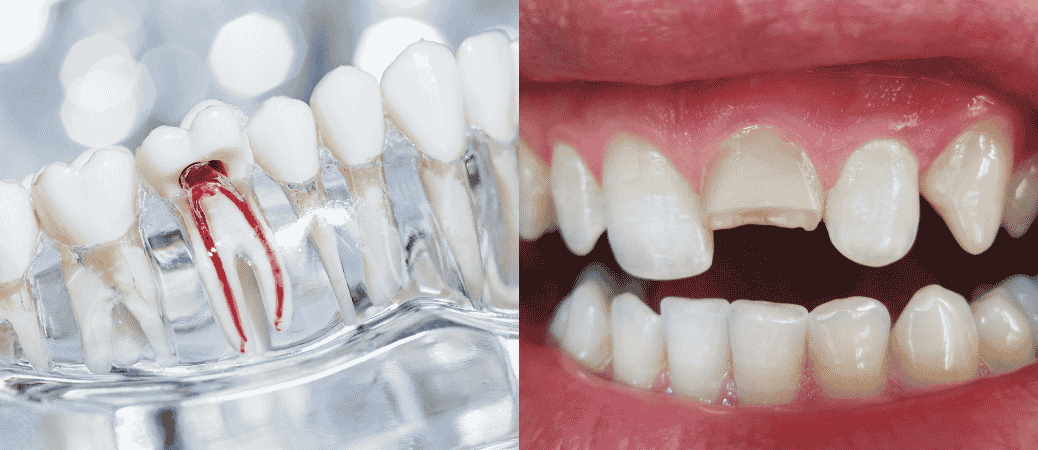
A cracked tooth can leave you wondering what to do next. You may feel sharp pain when you bite or notice sudden sensitivity to hot and cold.
Acting fast can help you avoid bigger problems.
If the crack has reached the inner pulp and caused infection, you likely need a root canal, but if the damage stays on the surface, a crown or other treatment may fix it without removing the nerve.
The right choice depends on how deep the crack runs and whether the tooth pulp is inflamed or infected.
When you understand the signs and treatment options, you can make a clear and confident decision.
Knowing what to expect also helps you protect your natural tooth whenever possible.
Key Takeaways
- The depth and location of a crack decide the right treatment.
- Pain, swelling, and infection often signal the need for a root canal.
- Early care improves the chance of saving your natural tooth.
Table of Content
- Types of Cracked Teeth and What They Mean
- Symptoms and Diagnosis of Tooth Cracks
- Evaluation: When Root Canal Therapy Is Needed
- When Extraction or Other Solutions Become Necessary
- Restorative Treatments and Preventive Care
- Frequently Asked Questions
Types of Cracked Teeth and What They Mean
Not all cracked teeth are the same. The type of crack affects your pain, your risk of infection, and whether you need a crown, root canal, or removal.
Craze Lines and Minor Cracks
Craze lines are tiny cracks in the outer enamel. They often show up as faint lines on front teeth.
They do not reach the inner pulp. You usually feel no pain, and they rarely need treatment. Dentists often find them during routine exams.
These lines form from normal wear, teeth grinding, or biting hard foods. They are common in adults.
A minor crack may go slightly deeper than a craze line but still stay in the enamel. You may feel brief sensitivity to cold.
In most cases, your dentist will monitor the tooth. If the crack worsens or causes discomfort, a small filling or bonding may help.
Craze lines alone do not lead to a root canal.
You should still avoid chewing ice or hard candy. Small cracks can grow over time.
Fractured Cusp and Its Risks
A fractured cusp usually affects a back tooth. The pointed part of the tooth breaks off.
This type of broken tooth often forms around a large filling. The remaining tooth structure weakens and splits under pressure.
You may feel sharp pain when biting down. The pain often goes away when you stop biting.
In most cases, the crack does not reach the pulp. Your dentist may remove the loose piece and place a crown to protect the tooth.
If bacteria reach the pulp, you may need a root canal before getting a crown. Early care lowers that risk.
Different crack types need different treatments. A fractured cusp often responds well to a crown if treated soon.
Cracked Tooth Versus Split Tooth
A cracked tooth starts on the chewing surface and moves toward the root. The tooth stays in one piece.
You may feel pain when chewing or when you release your bite. This pattern is common in cracked tooth syndrome.
The crack may be hard to see on an X-ray. Your dentist may use special tools or a bite test to find it.
If the crack reaches the pulp, you likely need a root canal. A crown usually follows to hold the tooth together.
A split tooth is more severe. The crack has moved deep enough to divide the tooth into separate parts.
At this stage, saving the whole tooth is unlikely. Your dentist may remove one section or extract the tooth completely.
Understanding Vertical Root Fractures
A vertical root fracture begins in the root and moves upward. You often cannot see it in the crown.
This type of crack may happen in teeth that had a root canal in the past. It can also develop from heavy biting force.
You might notice swelling near the gums or a small pimple-like bump. Pain may be mild or come and go.
These fractures are hard to detect. X-rays may not show them clearly at first.
Many vertical root fractures lead to tooth extraction. Damage below the gumline often makes saving the tooth difficult.
Quick evaluation matters. The sooner you address symptoms, the better chance you have to protect nearby teeth and bone.
Symptoms and Diagnosis of Tooth Cracks
A cracked tooth often causes sharp pain when you bite and sensitivity to hot or cold foods.
Dentists use hands-on tests and imaging to find the crack and decide if you need a crown or a root canal.
Common Signs Like Tooth Sensitivity and Pain
You may feel sharp tooth pain when you bite down or release your bite. This pain can come and go, which makes it hard to spot the exact tooth.
Many people notice tooth sensitivity to cold drinks, hot coffee, or sweet foods. The pain may last only a few seconds, but it feels sudden and strong.
Some cracks cause swelling or discomfort near the gumline. Others show no clear line on the surface, even during regular dental check-ups.
The American Association of Endodontists explains that cracked teeth often cause pain when chewing and temperature sensitivity that may be hard to trace to one tooth in cases of cracked teeth symptoms and treatment.
If you ignore these signs, the crack can spread deeper. Bacteria can reach the pulp and lead to infection, which may require a root canal.
Role of Bite Tests and Periodontal Probing
Your dentist often starts with a bite test. You bite down on a small tool, one tooth at a time. If you feel sharp pain when you release pressure, that tooth may have a crack.
This test helps your dentist narrow down the exact spot. Cracks do not always show on X-rays, so your feedback during the test matters.
Your dentist may also use periodontal probing. This tool measures the depth of the space between your tooth and gum.
A narrow, deep pocket in one area can signal a crack that extends below the gumline.
In some cases, a crack that once needed only a crown can worsen if you delay care. Waiting can allow the damage to spread and limit your options.
Regular dental check-ups improve the chance of finding small cracks before they grow.
Advanced Imaging: CBCT 3D Imaging
When basic exams do not give clear answers, your dentist may suggest CBCT 3D imaging.
This scan creates a three-dimensional view of your tooth and surrounding bone.
CBCT can help detect cracks that extend into the root. It also shows bone loss or hidden infection that standard X-rays may miss.
If the crack runs below the gumline into the root, treatment choices change. Some deep root fractures may not be repairable.
Your dentist uses these results to decide if a crown can protect the tooth or if you need a root canal to remove infected pulp. In severe cases, extraction may be the safest option.
Evaluation: When Root Canal Therapy Is Needed
A cracked tooth does not always need to be removed. The key is to check how deep the crack goes and whether the tooth pulp is infected or dying.
Assessing Crack Depth and Tooth Pulp Involvement
Your dentist starts by looking at the size and direction of the crack. Small surface cracks in enamel often do not reach the inner layers of your tooth.
These usually need only a filling or crown.
Problems begin when the crack reaches the tooth pulp, which holds nerves and blood vessels. If bacteria enter this space, the pulp can become inflamed or infected.
You may feel sharp pain when you bite, sensitivity to hot or cold, or swelling near the gum.
Dentists use tools such as:
- Dental X‑rays
- Bite tests
- Cold testing
- Special dyes or lights
If the pulp shows signs of damage or pulp necrosis (dead tissue), you likely need root canal therapy. An endodontist may step in if the crack is complex or hard to see.
Does a Cracked Tooth Need a Root Canal?
You need a root canal when the inner pulp cannot heal on its own. Once bacteria infect the pulp, the body cannot repair it. Pain may come and go, but the infection can still spread.
According to the American Association of Endodontists’ guide on root canal vs extraction, a root canal removes diseased pulp, cleans the inside of the tooth, and seals it to stop further infection.
This process helps you save your tooth instead of removing it.
You may need a root canal for a cracked tooth if you notice:
- Severe pain when chewing
- Lingering sensitivity to heat
- Gum swelling or tenderness
- Darkening of the tooth
If the crack only affects enamel or dentin and the pulp stays healthy, you may avoid root canal treatment.
Root Canal Treatment for Cracked Teeth
A root canal procedure focuses on saving a cracked tooth that still has enough healthy structure.
During treatment, your dentist or endodontist removes infected pulp, disinfects the canals, and fills them with a sealing material.
After root canal therapy, you usually need a crown. The crown covers the tooth and helps prevent the crack from spreading.
Without this step, the tooth can fracture further under pressure.
In many cases, a cracked tooth can be saved with a root canal and crown instead of extraction. Acting early improves your chances of keeping your natural tooth.
Quick treatment lowers the risk of bone loss and ongoing infection. It also restores normal biting and chewing, so you can use your tooth with confidence.
When Extraction or Other Solutions Become Necessary
Sometimes a crack runs too deep to repair with a filling, crown, or root canal.
In these cases, you may need tooth removal or another surgical option to protect your oral health and stop infection.
Tooth Extraction for Severe Cracks
You may need a tooth extraction when a crack extends below the gum line or splits the tooth into separate pieces.
A root canal cannot fix a tooth that no longer has stable structure.
Dentists often choose extraction if the crack reaches the root and bone. In these cases, keeping the tooth can lead to ongoing pain, swelling, or infection.
Removing it stops the spread of bacteria and protects nearby teeth.
According to the American Association of Endodontists’ guide on root canal vs extraction, extraction removes the entire tooth from its socket.
While this ends the problem tooth, it creates a space that you must address.
You may feel sore for a few days after tooth removal. Your dentist will give clear aftercare steps to lower the risk of dry socket and infection.
Tooth Loss and Replacement Options
After tooth loss, you need a plan to fill the empty space. If you leave it open, nearby teeth can shift. This can affect your bite and make chewing harder.
You have several replacement options:
- Dental implant – A metal post placed in the jawbone with a crown on top
- Dental bridge – A false tooth supported by nearby teeth
- Denture – A removable appliance that replaces one or more missing teeth
Each option has different costs, healing times, and maintenance needs. Implants often feel the most like a natural tooth, but they require enough healthy bone.
A denture works well if you have multiple missing teeth. It costs less than implants, but it may feel bulky at first.
Your dentist will help you choose based on your health, budget, and long-term goals.
Hemisection and Partial Tooth Saves
In some cases, you can save part of a cracked tooth instead of removing it completely.
A hemisection removes one damaged root and the attached part of the crown while keeping the healthy portion.
Dentists usually perform this on molars with two roots. If only one root has a deep crack or infection, they remove that section and preserve the rest.
This option keeps some natural tooth structure and bone in place.
You may still need a crown after the procedure to strengthen the remaining portion. Healing takes time, and careful brushing and flossing matter even more.
Hemisection does not work for every crack. Your dentist will check the depth of the fracture and the condition of the surrounding bone before recommending it.
Restorative Treatments and Preventive Care
The right restoration protects your tooth after damage or infection. Good daily care and regular dental visits help you avoid more serious treatment later.
Dental Crowns After Root Canal or Fracture
After a root canal, your tooth no longer has living pulp inside. This can make it weaker and more likely to crack under pressure.
A dental crown covers the entire tooth surface above the gum line. It acts like a cap and helps you chew without placing stress on thin tooth walls.
Dentists often recommend crowns for back teeth after root canal treatment. Molars handle strong biting forces, so they need full coverage for support.
If you have a crack that does not reach the pulp, a crown may still help. It holds the tooth together and limits further spread of the fracture.
Managing Fractured Cusps and Minor Breaks
A fractured cusp happens when a small part of the chewing surface breaks off. This often affects teeth with large fillings.
You may feel sharp edges or pain when you bite. In many cases, the pulp stays healthy.
Your dentist may smooth the area and place a filling if the damage is small. For moderate cracks, a crown gives stronger support.
Treatment choices depend on the crack’s depth and location.
If the crack reaches the inner pulp, you may need a root canal before placing a crown. Quick treatment lowers the risk of infection and tooth loss.
Oral Hygiene and Regular Dental Check-Ups

Strong daily oral hygiene helps protect cracked or restored teeth. Brush twice a day with fluoride toothpaste and floss once daily.
Clean around crowns carefully. Plaque can still build up near the gum line.
Regular visits with your dentist allow early detection of small cracks or failing fillings. Some cases may only need monitoring, especially if you have no pain or structural damage.
Avoid chewing ice, hard candy, or non-food items. If you grind your teeth, ask about a night guard to reduce pressure on fractured cusps and restored teeth.
Frequently Asked Questions
Tooth pain can come from a small crack, deep nerve damage, or both.
The right treatment depends on your symptoms, the depth of the crack, and whether the pulp inside your tooth is infected.
How can I tell if my tooth pain is from a crack or from nerve damage?
A cracked tooth often causes sharp pain when you bite down or release pressure. You may also feel brief pain with cold drinks.
The pain can come and go, which makes it harder to pinpoint.
Nerve damage usually causes longer, lingering pain. Heat may make it worse. You might feel throbbing or pressure even when you are not chewing.
Only an exam and dental X-rays can confirm the cause. Your dentist may also use special tools to test how your tooth reacts to pressure and temperature.
What symptoms usually mean a cracked tooth might need a root canal?
You may need a root canal if the crack reaches the pulp inside your tooth. Signs include strong pain that does not fade, swelling in your gums, or sensitivity that lasts more than a few seconds.
If the nerve becomes infected, your dentist may suggest a root canal instead of removing the tooth.
The American Association of Endodontists explains root canal vs extraction and why saving the natural tooth is often possible.
A deep crack can let bacteria enter the pulp. Once that happens, cleaning and sealing the inside of the tooth may be the only way to stop the infection.
Can a hairline crack be treated without a root canal, or will it get worse?
Small surface cracks, often called craze lines, usually do not need a root canal. Your dentist may only monitor them or place a crown if the tooth feels weak.
Treatment depends on how far the crack extends. Some cracks need bonding or a crown, while deeper ones may need more care.
If you ignore a crack, it can spread over time. Biting hard foods can make it worse.
When does a cracked tooth need a crown versus needing extraction?
A crown works well when the crack does not split the tooth below the gum line. The crown covers and protects the tooth so you can chew without pain.
Extraction becomes necessary if the crack extends deep into the root or splits the tooth in two. In these cases, the tooth cannot be repaired.
Many dentists try to save the natural tooth first.
If a tooth cracks after a root canal, can it still be saved?
Yes, sometimes it can. If the crack is small and above the gum line, your dentist may place a crown to protect it.
Teeth that have had root canals can become more brittle over time. That is why dentists often recommend crowns after treatment.
If the crack runs deep into the root, saving the tooth may not be possible. Your dentist will check how far the damage goes before making a decision.
What’s the difference between harmless craze lines and a real cracked tooth?
Craze lines are tiny surface lines in the enamel. They are common in adults and usually do not cause pain.
A real cracked tooth extends deeper into the structure of the tooth. It may cause pain when you chew or sensitivity to temperature.
If you feel discomfort, do not assume it is harmless. A dental exam will show whether the line is only cosmetic or a sign of deeper damage.