


How Loose Dentures Affect Eating, Speech, and Confidence: Solutions for Lasting Comfort
Basics of implants — strong, natural tooth restoration with a metal post.
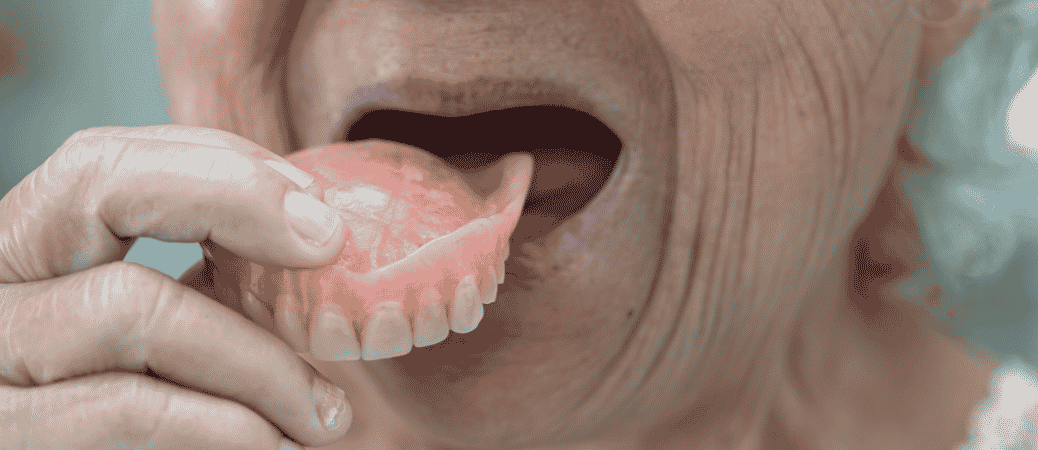
Dentures should make your life easier, but when they start to slip and slide, everything changes.
Loose dentures problems can make it harder to eat your favorite foods, change the way you speak, and cause you to feel self-conscious in social situations.
What starts as a minor annoyance can quickly turn into a problem that affects your daily routine and happiness.
The good news is that loose dentures are a common problem that can be fixed.
Understanding why your dentures don’t fit like they used to and knowing what options you have can help you get back to living without worry.
Whether you’re dealing with dentures that slip when you talk or shift when you chew, you don’t have to accept discomfort as normal.
Your oral health and quality of life matter too much to ignore the warning signs.
Learning how loose dentures affect your eating, speech, and confidence will help you recognize when it’s time to take action and find the right solution for your needs.
Key Takeaways
- Loose dentures make eating difficult, affect your speech, and reduce your confidence in daily activities
- Dentures become loose over time mainly because your jawbone shrinks and dentures wear down from regular use
- Solutions like denture relining, adhesives, or implant-supported dentures can restore comfort and function and transform your smile
Recognizing Signs of Poor Denture Fit
Loose dentures don’t always announce themselves with obvious problems right away.
The changes often happen slowly, making it easy to miss early warning signs until discomfort becomes hard to ignore or your daily life starts feeling affected.
Common Symptoms of Loose and Ill-Fitting Dentures
When your dentures no longer fit properly, you’ll likely notice movement during everyday activities.
Dentures slipping while you talk or eat is one of the most common complaints.
Watch for these physical signs:
- Your dentures shift or rock when you chew
- You hear clicking sounds during conversation
- Food particles get trapped underneath
- You need more adhesive than you used to
- Sore spots or red patches appear on your gums
- Your bite feels uneven or uncomfortable
Gum irritation from poorly fitting dentures can lead to painful ulcers if left untreated. You might also notice changes in how words sound when you speak.
Shifting dentures create gaps that affect the seal between your dentures and gums.
This makes it harder to eat certain foods and can make you feel self-conscious in social situations.
Physical and Emotional Impact
The problems caused by ill-fitting dentures extend beyond your mouth.
You might start avoiding foods you once enjoyed because chewing becomes difficult or painful.
Physical effects include:
- Difficulty eating crunchy or chewy foods
- Jaw soreness from trying to hold dentures in place
- Headaches from altered bite alignment
- Weight loss due to limited food choices
The emotional toll can be just as significant. You may feel anxious about your dentures falling out during conversations.
Many people become less social because they worry about embarrassing moments.
Your confidence takes a hit when you constantly think about whether your dentures are secure.
Bad fitting dentures affect your quality of life and can make simple daily activities feel stressful.
When to Seek Professional Denture Assessment
You should contact your dentist if you experience persistent discomfort for more than a few days.
Don’t wait until small problems become bigger issues that affect your oral health.
Schedule an appointment when you notice:
- Daily adhesive use becomes necessary
- Pain or sores that don’t heal within a week
- Significant movement when eating or speaking
- Difficulty pronouncing certain words
- Changes in your facial appearance
Signs of poor fit require professional attention to prevent damage to your gums and jaw.
Your dentist can determine whether you need a denture adjustment, reline, or replacement.
Most people need a checkup at least once a year, even if their dentures feel comfortable.
Why Dentures Become Loose Over Time
Dentures that once fit perfectly can gradually become loose due to changes in your mouth’s structure and the natural aging of the denture materials themselves.
The main culprits include bone loss in your jaw, shifting gums, daily wear on the dentures, and changes in how your teeth come together.
Bone Resorption and Tooth Loss
Bone resorption is the main reason dentures become loose over time.
When you lose your natural teeth, your jawbone no longer receives the stimulation it needs from tooth roots.
Without this stimulation, your body starts breaking down and reabsorbing the bone tissue.
This process happens gradually but continuously. Your jawbone can shrink significantly over months and years.
As the bone shrinks, your gums also change shape and recede.
The dentures that once fit snugly now sit on a smaller, differently shaped ridge. This creates gaps between your dentures and gums.
Missing teeth trigger this process, which is why even well-made dentures eventually need adjustment or replacement.
Natural Changes in Jaw and Gums
Your mouth continues changing throughout your life, even after you get dentures.
Your gums naturally shrink and change shape as part of the aging process. These changes happen faster in some people than others.
The soft tissues in your mouth also lose volume over time. Your gums may become thinner and less firm. Weight loss or gain can affect how your dentures fit too.
These natural shifts mean that dentures fitting perfectly today might feel different in six months.
Regular dental checkups help catch these changes early before ill-fitting dentures cause problems.
Wear and Tear on Dentures
Daily use takes a toll on denture materials. Chewing hard or chewy foods can damage the denture base or teeth.
Cleaning your dentures incorrectly speeds up wear and tear.
Using hot water can warp the acrylic material, changing the denture fit. Leaving dentures in cleaning solutions too long can also damage them.
Dropping your dentures even once can cause cracks or chips you might not see right away.
The artificial teeth on your dentures wear down from chewing, just like natural teeth. This wear changes your bite height and can lead to improper bite alignment.
Most dentures need a denture reline or denture replacement every five to seven years.
Improper Bite Alignment
Your bite changes as your dentures age and your jaw structure shifts. When your upper and lower dentures don’t meet correctly, it creates uneven pressure points.
This uneven pressure can make your dentures rock or slide when you chew.
Improper bite alignment also speeds up bone loss in certain areas of your jaw. The areas receiving too much pressure lose bone faster.
Areas with too little pressure also lose bone because they lack stimulation.
You might notice your dentures clicking when you talk or eat. This clicking often signals bite problems that need professional adjustment.
Addressing bite issues early prevents further complications with denture fit.
Take the first step toward a comfortable, stable smile by booking your consultation today.
Effects of Loose Dentures on Daily Life
Loose dentures create problems that go beyond physical discomfort.
They make eating harder, affect how clearly you can speak, and can lower your confidence in social situations.
Eating Challenges and Nutrition
When your dentures slip while you’re eating, simple meals become frustrating.
Foods that require more chewing, like steak, raw vegetables, and fresh fruits, become difficult or impossible to eat comfortably.
You might find yourself avoiding these foods and choosing softer options instead.
This shift in diet can lead to serious nutrition problems over time. Loose dentures can contribute to poor nutrition as you eat fewer nutrient-rich foods.
Some people start eating more soft foods that are higher in sugar and lower in vitamins and minerals.
The constant movement of dentures while chewing can also cause gum irritation and sore spots.
Food particles get trapped between your dentures and gums, which affects your oral health.
Many denture wearers rely heavily on denture adhesive just to get through meals, but this shouldn’t be a permanent solution.
Speech Difficulties and Communication
Dentures that slip affect how you pronounce words. You might notice clicking sounds when you talk or struggle with certain sounds like “s” and “f.”
Your dentures can shift position mid-sentence, forcing you to pause and readjust them with your tongue.
These speech difficulties from loose dentures make conversations stressful.
Speaking clearly requires your dentures to stay stable, but when they move around, your speech becomes unclear or mumbled.
Phone calls and group conversations become especially challenging.
Impact on Confidence and Social Interaction
The constant worry about your dentures slipping when you eat or speak takes a toll on your confidence.
You might avoid social events, restaurants, or gatherings where you’ll need to eat in front of others.
Many people with loose dentures experience social isolation because they feel self-conscious.
You might smile less often or cover your mouth when talking.
The fear of embarrassing moments, like your dentures falling out during conversation, can make you withdraw from activities you once enjoyed.
Long-Term Consequences of Ignoring Loose Dentures
Wearing loose dentures without getting them fixed can lead to serious problems that get worse over time.
Your jawbone can shrink, your gums can develop painful sores and infections, and your overall health may suffer from poor nutrition.
Worsening Bone Loss and Jaw Changes
When you lose your natural teeth, your jawbone starts to shrink through a process called bone resorption.
This happens because your jawbone needs pressure from chewing to stay healthy and strong. Ill-fitting dentures speed up this bone loss because they don’t distribute chewing forces evenly across your jaw.
As bone resorption continues, your jaw shape changes.
This makes your dentures fit even worse, creating a cycle where loose dentures cause more jawbone loss, which makes the dentures looser.
The changes to your facial structure can become visible over time. Your face may look sunken or older than your actual age.
Your lower face height can decrease, and your chin may appear to move closer to your nose.
Gum Soreness, Infections, and Oral Health Risks
Loose dentures move around in your mouth and rub against your gums constantly. This friction creates gum irritation or sore spots that can make eating and talking painful.
These sore areas can develop into open wounds that take time to heal.
The gaps between poorly fitting dentures and your gums trap food particles and bacteria.
This creates an environment where infections can develop easily. You might experience swollen, red, or bleeding gums that signal serious oral health problems.
Some people develop oral thrush, a fungal infection common with denture wearers.
Others may get bacterial infections that spread beyond the mouth if left untreated.
Poorly fitting dentures can lead to serious complications including persistent gum pain and infections that require medical attention.
Effects on Nutrition and General Wellbeing
When your dentures don’t fit right, chewing becomes difficult and sometimes painful.
You might start avoiding healthy foods that are hard to chew, like fresh vegetables, fruits, and lean meats. Instead, you may choose softer, processed foods that are easier to eat but less nutritious.
A study found that 60% of elderly denture wearers had trouble chewing their food properly.
This difficulty can lead to poor nutrition over time. Your body may not get enough protein, vitamins, and minerals it needs to stay healthy.
Poor nutrition affects more than just your mouth. You might experience weight loss, weakness, and a weaker immune system.
Some people develop digestive problems because they can’t chew food properly before swallowing.
Solutions for Restoring Denture Fit and Stability
Several options can help restore comfort and function when your dentures become loose.
Your dentist can adjust, reline, or replace your dentures depending on how much the fit has changed, or you might consider permanent solutions like implant-supported options.
Denture Adjustment and Relining Options
A denture reline adds new material to the underside of your dentures so they fit snugly against your gums again.
Your dentist can perform a soft reline for temporary relief or a hard reline that lasts longer.
Minor adjustments can fix small pressure points or rough spots that develop over time. These quick fixes happen right in the dental office and take only a few minutes.
A denture rebase replaces the entire base material while keeping your existing teeth.
This option works well when the base is worn but the teeth are still in good shape.
Your dentist will examine your dentures and recommend the best option based on how loose they are and the condition of the materials.
When to Repair or Replace Your Denture
Cracks, chips, or broken clasps need immediate denture repair to prevent further damage. Small repairs can often be completed in one visit.
However, if your dentures have been relined multiple times or are several years old, replacement may be the better choice.
New dentures become necessary when bone resorption has changed your jaw shape significantly.
A prosthodontist or general dentist can create custom dentures that match your current mouth structure.
Signs you need replacement include constant slipping even with adhesive, visible wear on the teeth, difficulty eating soft foods, and changes in your facial appearance.
Getting new dentures every 5-7 years helps maintain proper fit and function.
Implant-Supported Dentures and All-on-4 Treatments
Dental implants provide the most stable solution for loose dentures.
Two to four implants placed in your jawbone can anchor your dentures permanently, eliminating slipping entirely.
All-on-4 treatments use four strategically placed implants to support a full arch of teeth.
This option requires less bone than traditional implants and often avoids the need for bone grafting.
Implant-supported dentures offer better bite force and comfort than regular dentures. You can eat tough foods without worry and speak with confidence.
While the initial cost is higher, these solutions last much longer and prevent ongoing problems with fit.
Your dentist near you can evaluate whether you have enough bone for implants or if bone grafting would be needed first.
Maintaining Comfortable Dentures with Ongoing Care
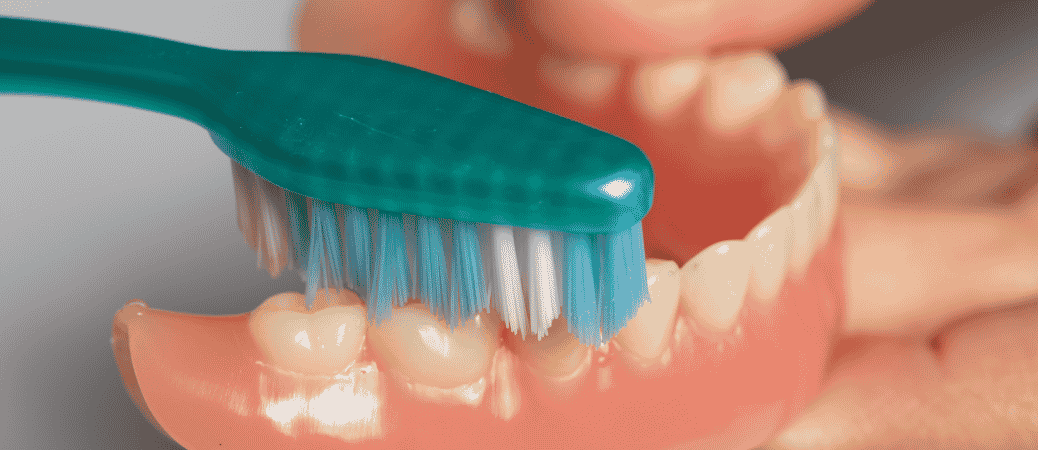
Daily cleaning with proper denture cleaner keeps your dentures in good shape and prevents damage.
Use lukewarm water instead of hot water, which can warp the material.
Remove and rinse your dentures after eating to prevent food buildup. Brush them gently with a soft-bristled brush designed for dentures.
Soak them overnight in denture cleaning solution, but avoid leaving acrylic dentures in too long as this can weaken the material.
Regular dental visits every six months let your dentist check the fit and make small adjustments before problems worsen.
These appointments also help prevent loose dentures by catching changes early.
Store your dentures in water or cleaning solution when not wearing them to keep the material from drying out and changing shape.
Frequently Asked Questions
Loose dentures create real challenges that go beyond simple discomfort.
From trouble biting into certain foods to embarrassing slips during conversation, these fit problems can affect your health and daily life in ways you might not expect.
What are the most common signs that dentures are becoming loose over time?
You’ll usually notice slipping or movement when you talk or eat as one of the first signs. Your dentures might shift around in your mouth during meals or conversations.
Clicking sounds during speech often mean your dentures are moving against your palate or jaw.
You might also find yourself using more adhesive than you used to just to keep them in place.
Sore spots and irritation on your gums signal that pressure isn’t being distributed evenly anymore. Food getting trapped under your dentures happens when the seal weakens.
How can loose dentures make chewing certain foods more difficult?
Tough or chewy foods become harder to bite through when your dentures don’t stay firmly in place.
Steak, crusty bread, and raw vegetables can cause your dentures to slip or rock back and forth.
Sticky foods like caramel or peanut butter can pull loose dentures away from your gums.
You might avoid these foods completely because they make eating uncomfortable or embarrassing.
Crunchy foods such as apples, corn on the cob, or nuts require strong, stable bite pressure.
When dentures move around, you can’t apply enough force to chew these foods properly.
Can loose dentures affect speech clarity, and what words or sounds are usually hardest?
Yes, loose dentures can definitely impact how clearly you speak. When dentures slip, they change the position of your tongue and lips during speech.
Words with “S” and “F” sounds become especially tricky because they require precise tongue placement.
You might notice a whistling sound or slurring when you try to say these letters.
Words with “T,” “D,” and “TH” sounds also get harder because your tongue needs to press against stable surfaces.
Loose dentures move when your tongue touches them, making these sounds come out unclear or mushy.
How might loose dentures impact nutrition and long-term health?
When chewing becomes difficult or painful, you naturally start avoiding nutritious foods that are hard to eat.
Fresh fruits, vegetables, and lean proteins often get cut from your diet first.
You might turn to softer, processed foods that are easier to chew but lower in nutrients.
This shift can lead to vitamin deficiencies, weight loss, or digestive problems over time.
Poor nutrition from problems with eating can weaken your immune system and energy levels. Some people also experience weight changes because they can’t enjoy regular meals comfortably.
What everyday problems can loose dentures cause, like sore spots or mouth irritation?
Loose dentures rub against your gums in uneven ways, creating painful sore spots. These sore areas can develop into small ulcers if the pressure continues.
Your gums might become red, swollen, or tender from constant friction and movement.
Some people get infections when bacteria enter through irritated tissue.
You might also notice increased saliva production as your mouth tries to create more cushioning. Bad breath can develop when food particles get trapped under loose dentures more easily.
When should I see a dentist about loose dentures instead of trying home fixes?
You should visit your dentist if you’re using adhesive every single day just to keep your dentures in place.
This means the fit has changed enough that professional adjustment or relining is needed.
See your dentist right away if you have persistent sore spots that don’t heal within a few days. Pain that gets worse or makes eating impossible requires professional care.
Schedule an appointment if your dentures slip frequently during normal activities like talking or eating soft foods.
Home fixes like over-the-counter relining kits aren’t meant for long-term use and can actually make fit problems worse.